
Recent searches


The best beaches in Mallorca: From Caribbean sand to hidden coves
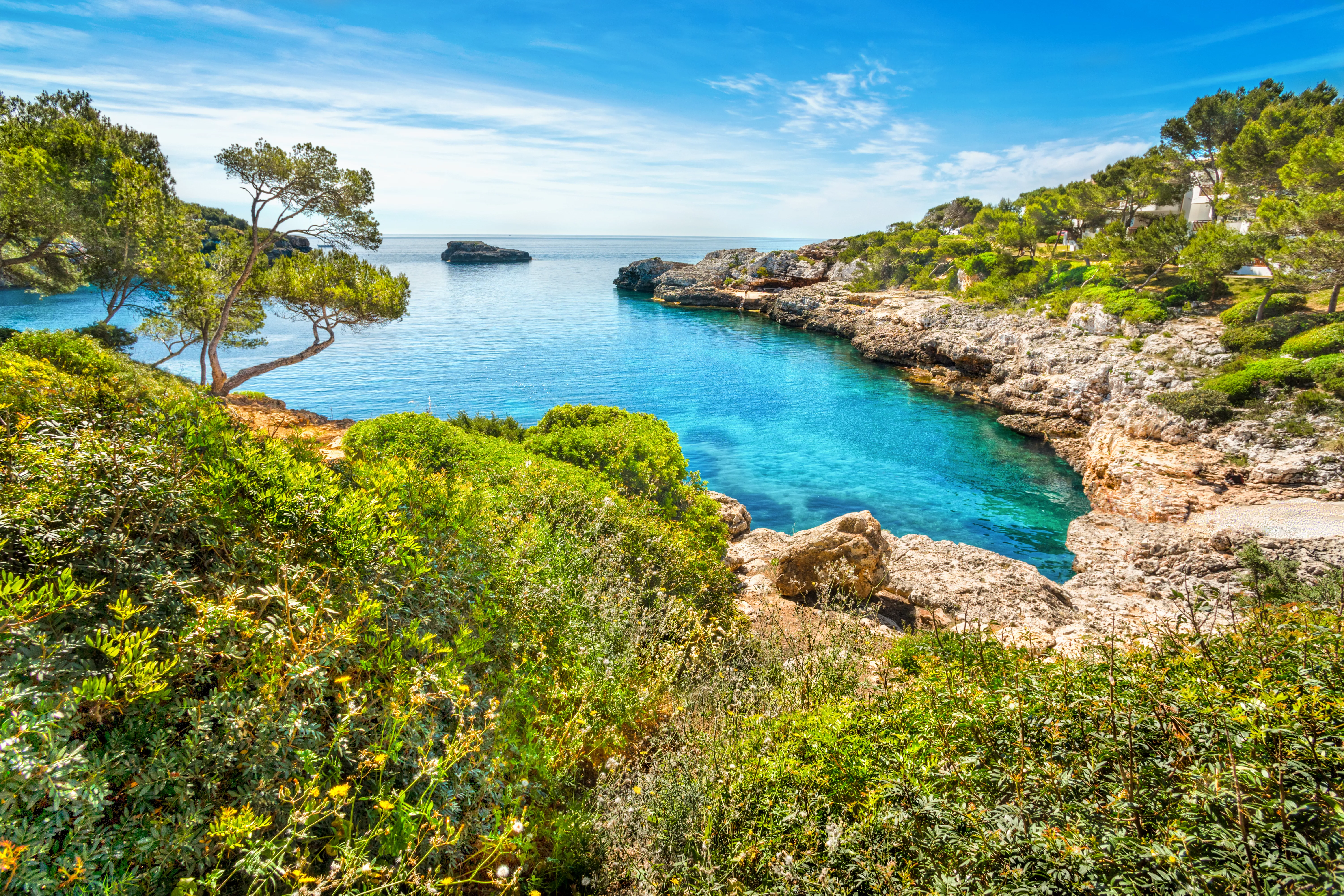
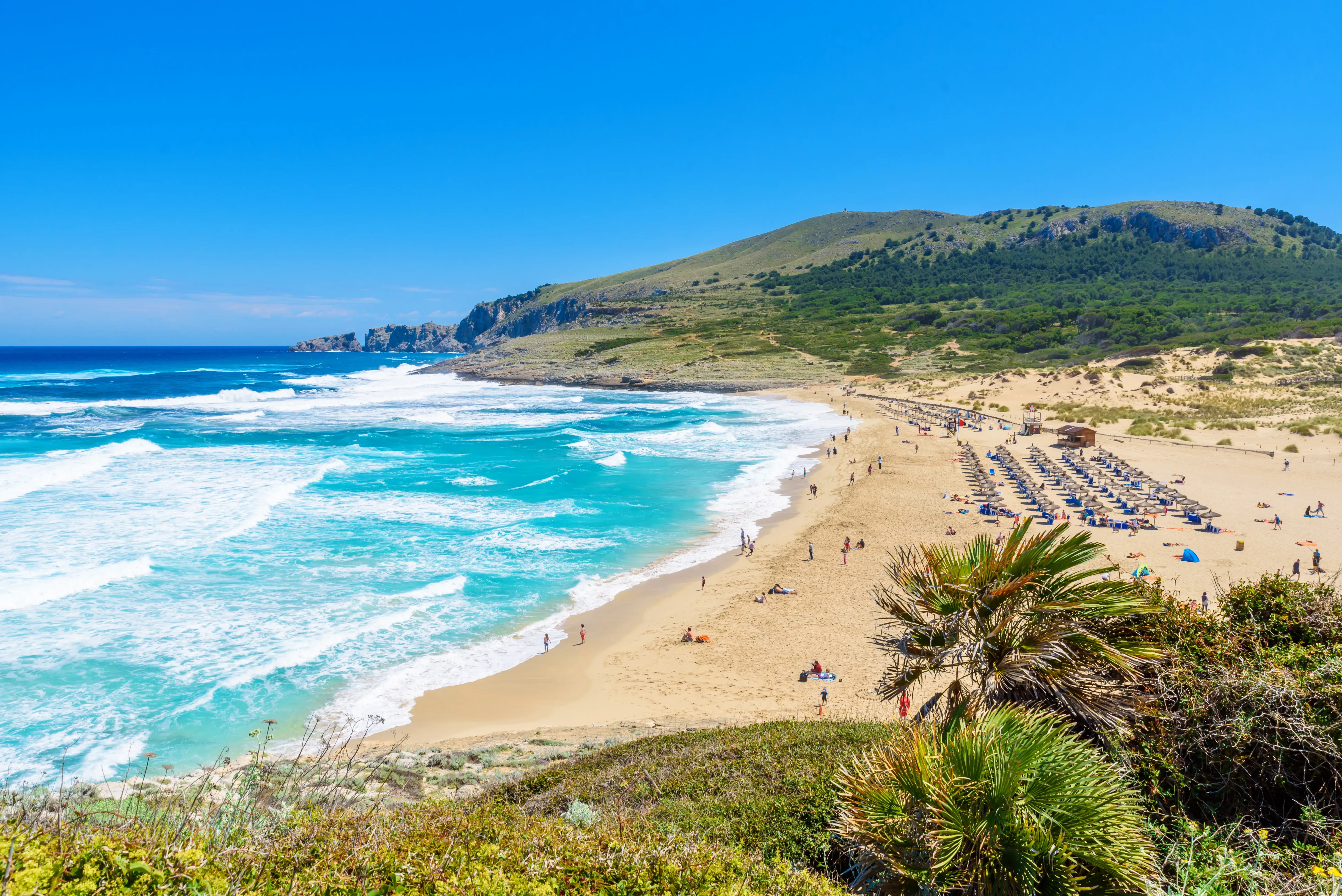
Few Mediterranean islands change as much from one stretch of coast to the next as Mallorca. Fine white sand, rocky coves with water so clear you can almost count the fish, hidden bays tucked out of sight. Whatever kind of beach day you're picturing, Mallorca probably has it somewhere on the map. Head south for wide, gently sloping beaches, or north and west for rugged rock coastlines dotted with small swimming coves. If you’d rather reach the coast on foot, many of these spots double as stops along a beach or coastal hike, and the quietest beaches, tucked away from the resorts, are considered the island's best-kept secrets.
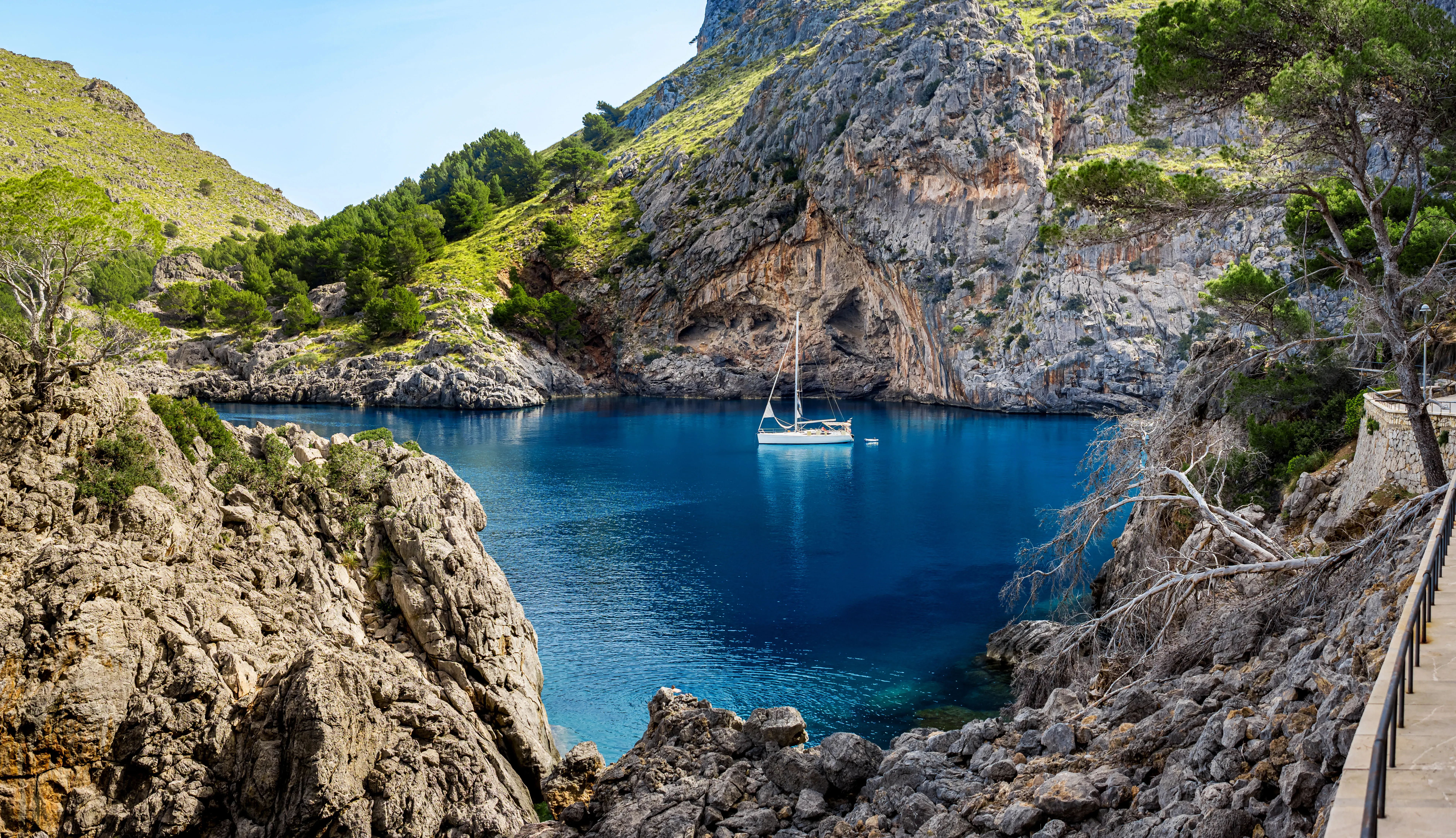
Protected natural areas shape much of the island's coastline, too. Many of Mallorca's unspoiled beaches sit inside sheltered coves or natural parks, reachable only on foot or by boat, and staying this cut off is exactly what keeps their character intact. The water's clean, too: plenty of these beaches carry the Blue Flag, a mark of clean water and responsible management. If you're after real peace and quiet, visit in the low season, when the coast empties out.
Book your flight to Mallorca now on discover-airlines.com and get ready to discover the island’s most beautiful beaches.
Useful information about Mallorca’s most beautiful beaches
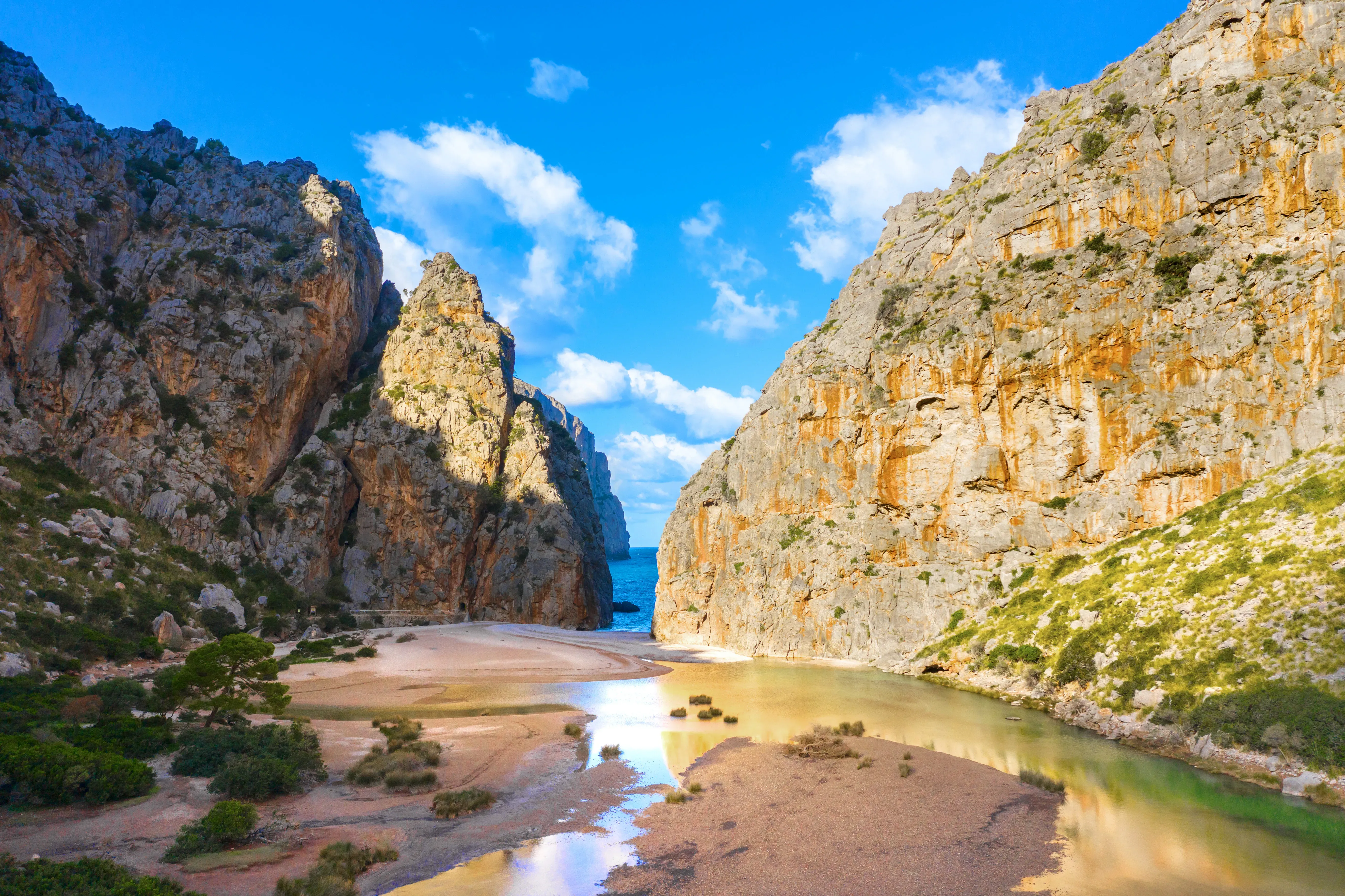
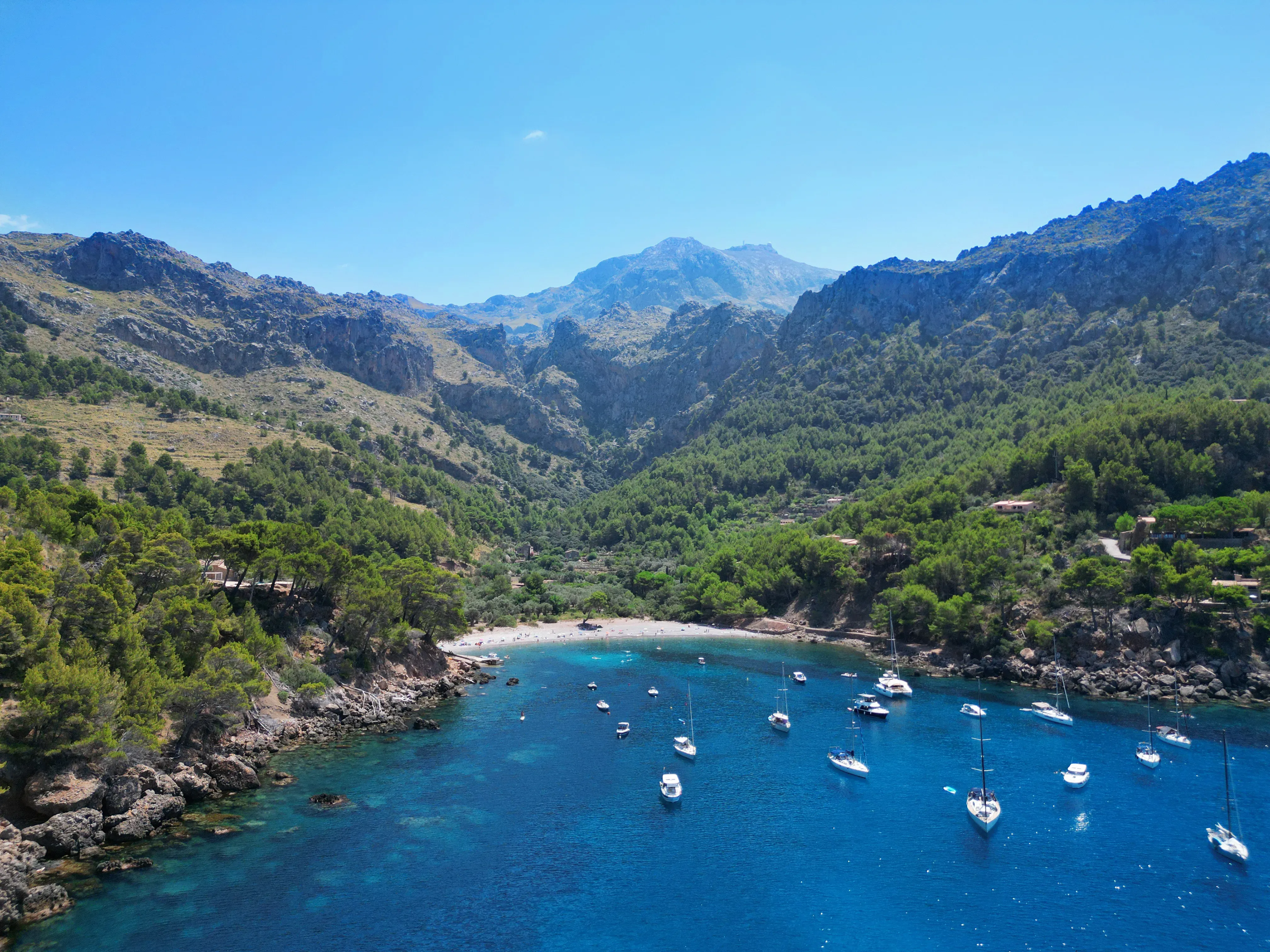
Mallorca's beaches aren't just varied. They are also set against some of the island's most striking scenery, whether that's a historic town, a pine forest or steep cliffs nearby. Nowhere is this more dramatic than where the Tramuntana Mountains plunge straight into the sea, where mountain and water meet almost without warning.
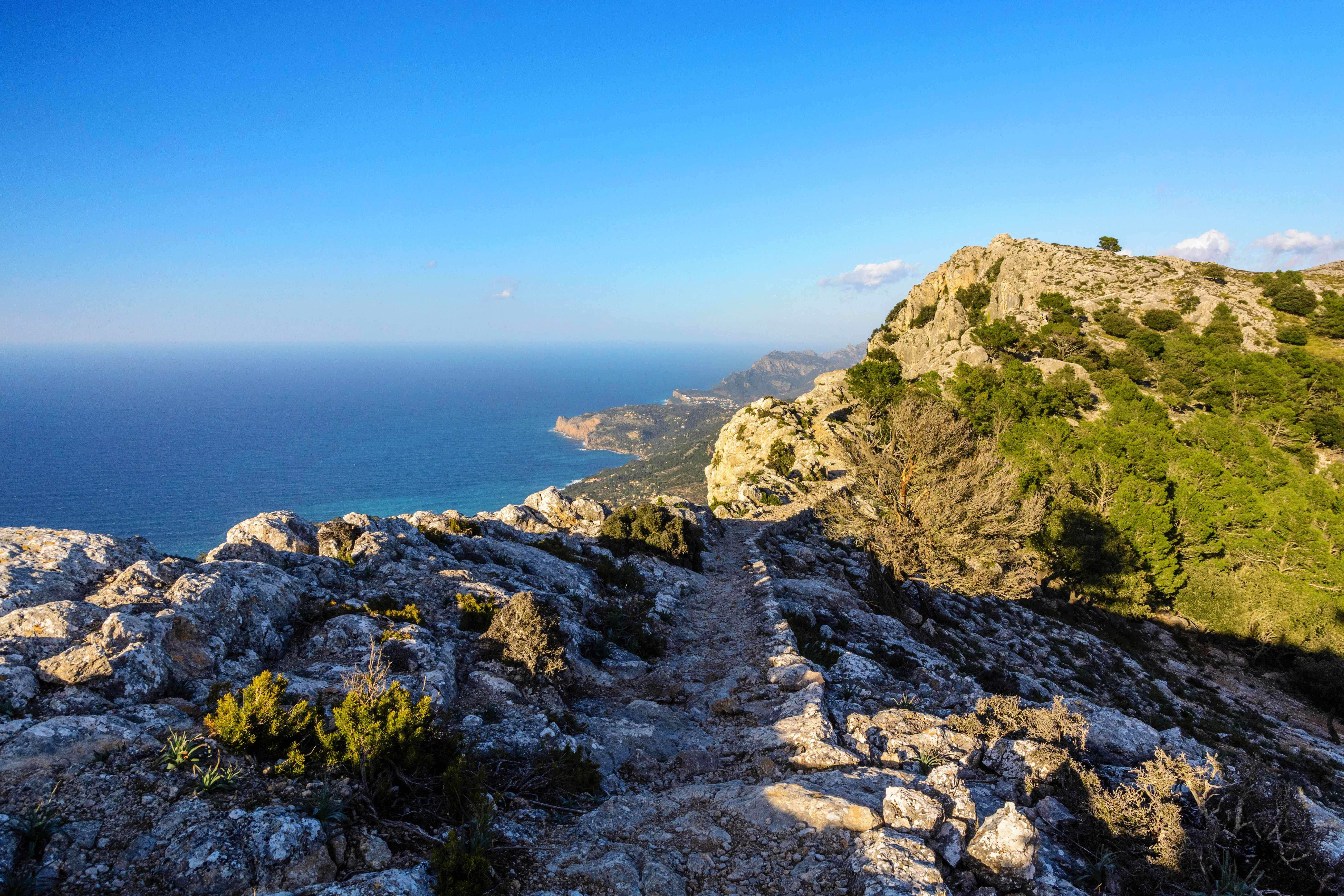
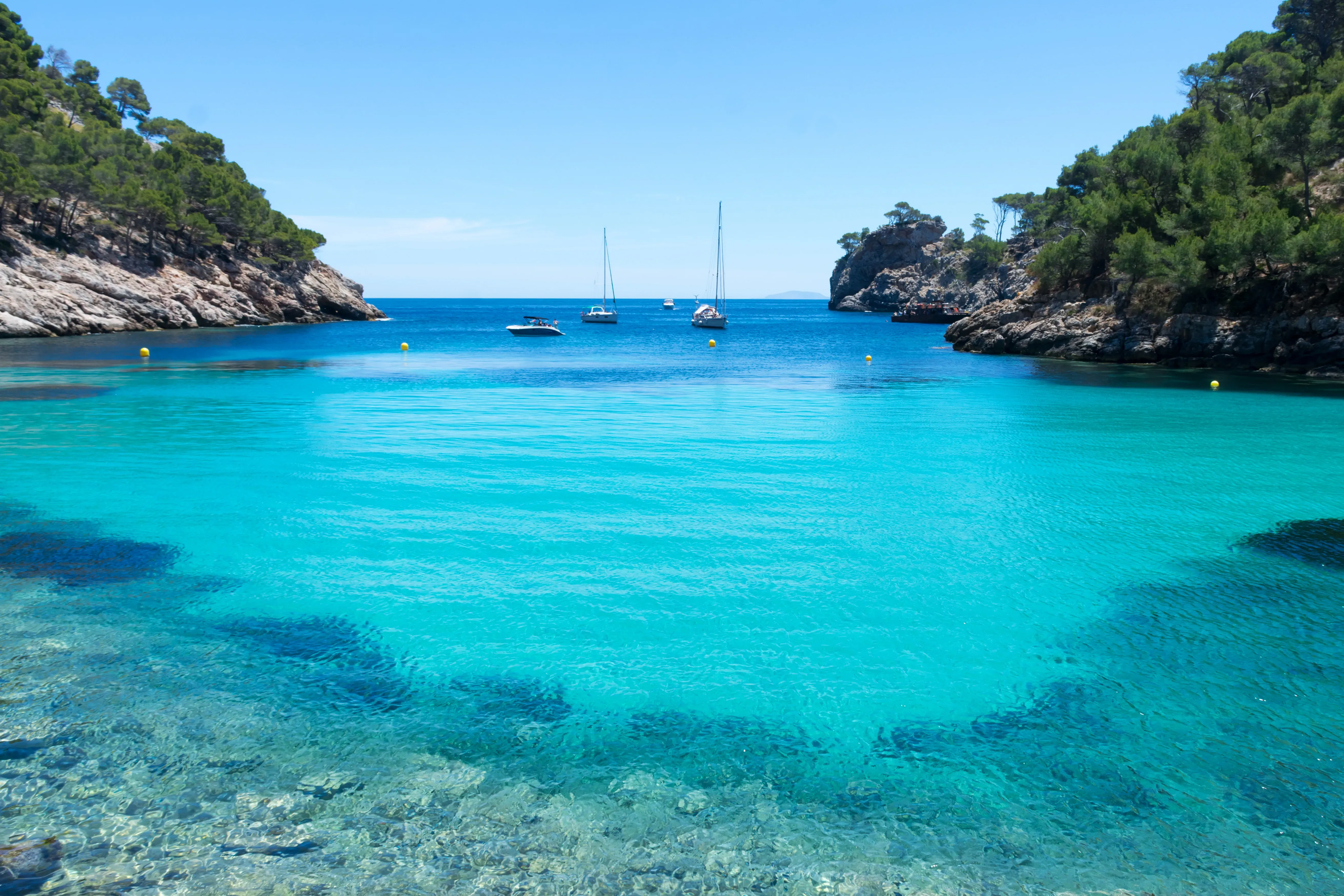
Some of these places can only be reached on foot or by boat, which makes them perfect if you're looking to discover Mallorca on a coastal hike. Coves like Cala Murta or Cala Marmols see few visitors at all. Water this clear, tucked into surroundings this wild, is exactly what makes a beach a genuine hidden gem.
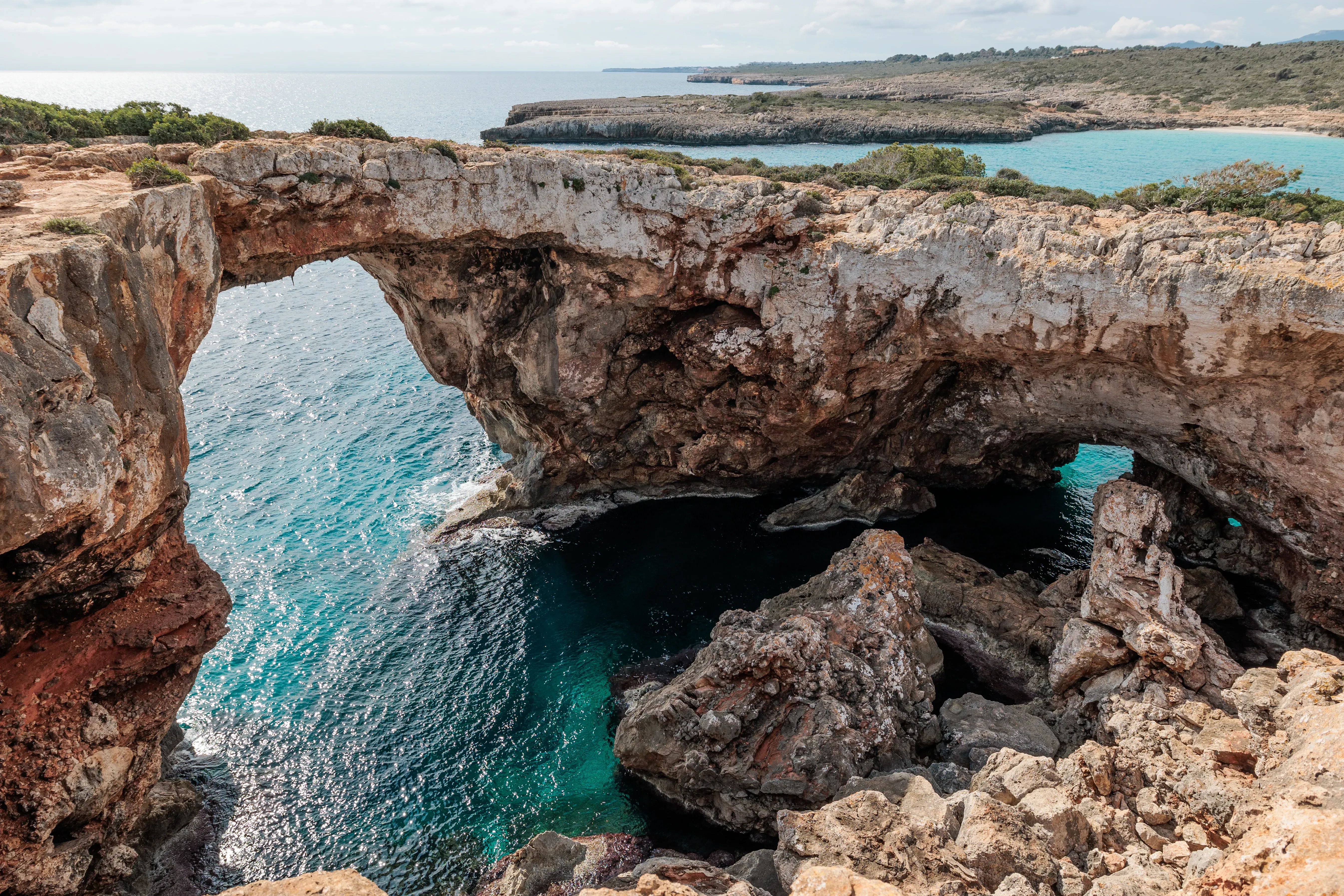
There's plenty happening beneath the surface, too. All kinds of fish gather around the protected rocky reefs, making several coves excellent for snorkeling, and with a little luck you might spot an octopus or a ray as well. Many of these coves stay this peaceful precisely because they're well away from the crowds, so if you're looking to unwind surrounded by nature, this is where to do it.
Mallorca has a typical Mediterranean climate, and it's a big part of why the island draws so many visitors. Hot, dry summers and mild, fairly dry winters add up to an unusually long swimming season, with conditions ideal for a beach vacation from May through October. Water temperatures during these months stay warm enough for swimming, snorkeling or paddling anytime you like. July and August are the hottest and sunniest, with highs pushing past 30°C (86°F). If you'd rather it be a little quieter and not as hot, May, June, September and October are your best bet.
Those months are also ideal for beach or coastal hikes, with pleasant daytime temperatures and the landscape in full bloom. Come in the low season, spring or late fall, and you'll find many beaches at their best simply because there's hardly anyone else there.
The most beautiful beaches in Mallorca
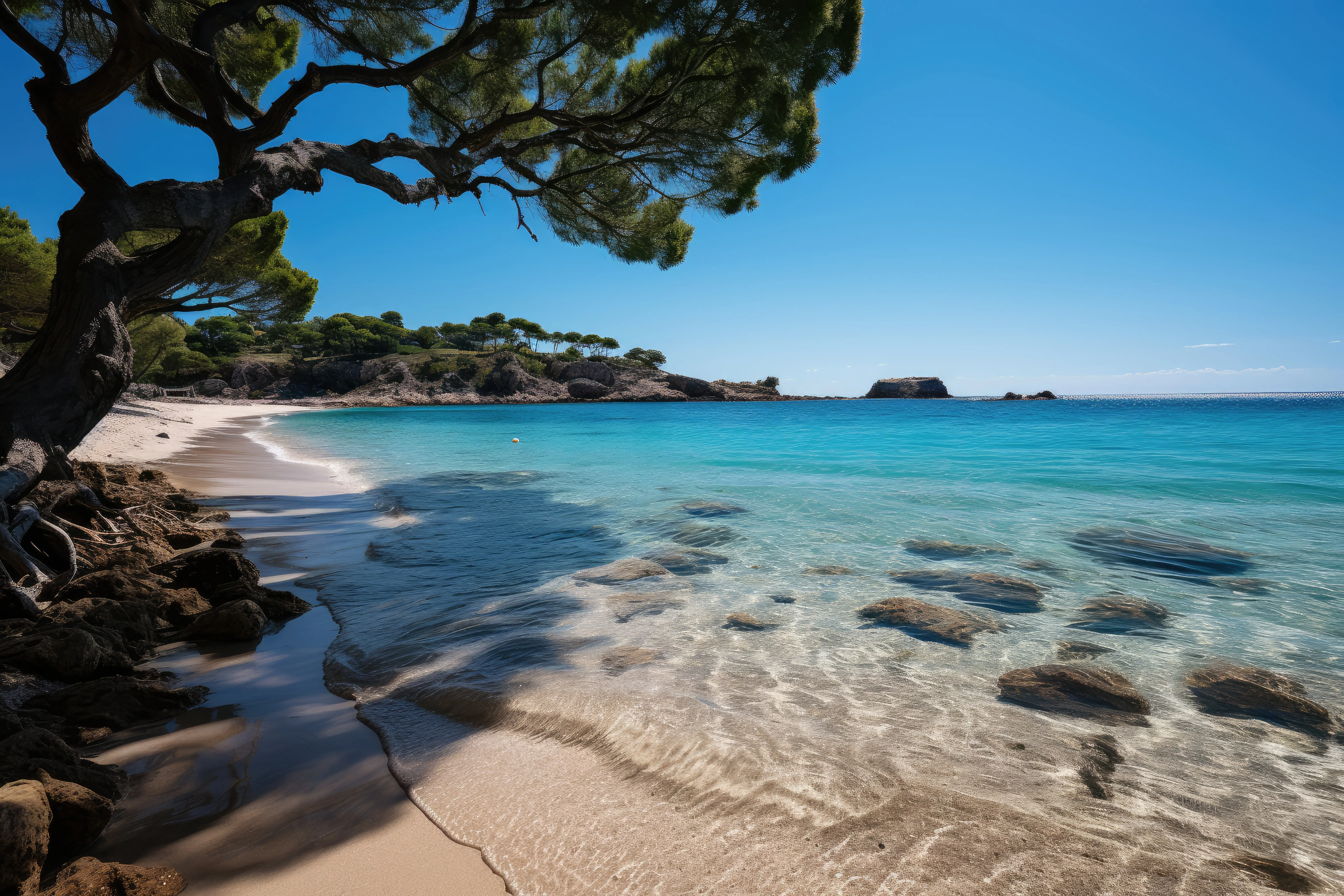
How to get the most out of your beach vacation in Mallorca
It's worth getting a feel for Mallorca's different beaches before you go, since not all of them are equally easy to get to or have the same level of facilities. Many of the island's most popular sandy beaches have showers, sun lounger rental and restaurants nearby, while quieter beaches or hidden-gems are often accessible on foot and have no facilities whatsoever. For those, bring your own food and pack plenty of water and sun protection. If you’re planning a hike along the coast, pack sturdy footwear, a map or GPS, and, depending on the season, insect repellent.
Parking can be limited in some areas, so set off early or use public transport. Especially in high season, consider hitting a quieter, less popular beach instead of fighting the crowds at the more famous ones.
It’s also worth double-checking local regulations before you go. Look out for swimming bans during rough surfing or any restrictions on taking dogs on the beach. Oftentimes, they are only allowed outside summer. Some wild beaches are in protected areas, so things like taking shells home or walking on the dunes may not be allowed either.
If you’re traveling with children, look for beaches with calm waters and a gentle slope to make getting in and out of the sea easier. Remember that not every stretch of coast has that. Take all your garbage with you, too, especially at beaches with no trash cans. A few small extras, like a beach umbrella, UV protective clothing or water shoes, are a good idea, particularly if you plan on visiting rocky beaches or going on long hikes during the day.
January


Avg. Temperature:
6°C/6°C

Rainy days per month:
30-60
February
Avg. Temperature:
6°C/6°C
Rainy days per month:
25-45
March
Avg. Temperature:
7°C/7°C
Rainy days per month:
25-45
April
Avg. Temperature:
9°C/9°C
Rainy days per month:
20-40
May
Avg. Temperature:
13°C/13°C
Rainy days per month:
15-25
June

Avg. Temperature:
17°C/17°C
Rainy days per month:
5-15
July
Avg. Temperature:
20°C/20°C
Rainy days per month:
5-10
August
Avg. Temperature:
20°C/20°C
Rainy days per month:
5-15
September

Avg. Temperature:
18°C/18°C
Rainy days per month:
25-50
October

Avg. Temperature:
14°C/14°C
Rainy days per month:
60-100
November
Avg. Temperature:
10°C/10°C
Rainy days per month:
70-110
December
Avg. Temperature:
7°C/7°C
Rainy days per month:
40-70