

Mallorca – the island of countless contrasts and endless possibilities. Because Mallorca is a holiday paradise, a relaxing oasis and a party hotspot all in one. And that’s exactly what makes this Spanish Balearic Island one of the most popular destinations in the Mediterranean. Added to this are its endless sandy beaches, a postcard-worthy landscape, delicious food and the infectious Majorcan lifestyle. What else do we love about a vacation in Mallorca? The island not only attracts people with its mild temperatures all year round, it’s also easy to get there from Germany – discover Mallorca now with Discover Airlines!

A varied Mediterranean paradise
Vacation in Mallorca
Why visit Mallorca
✓ Head for the beach
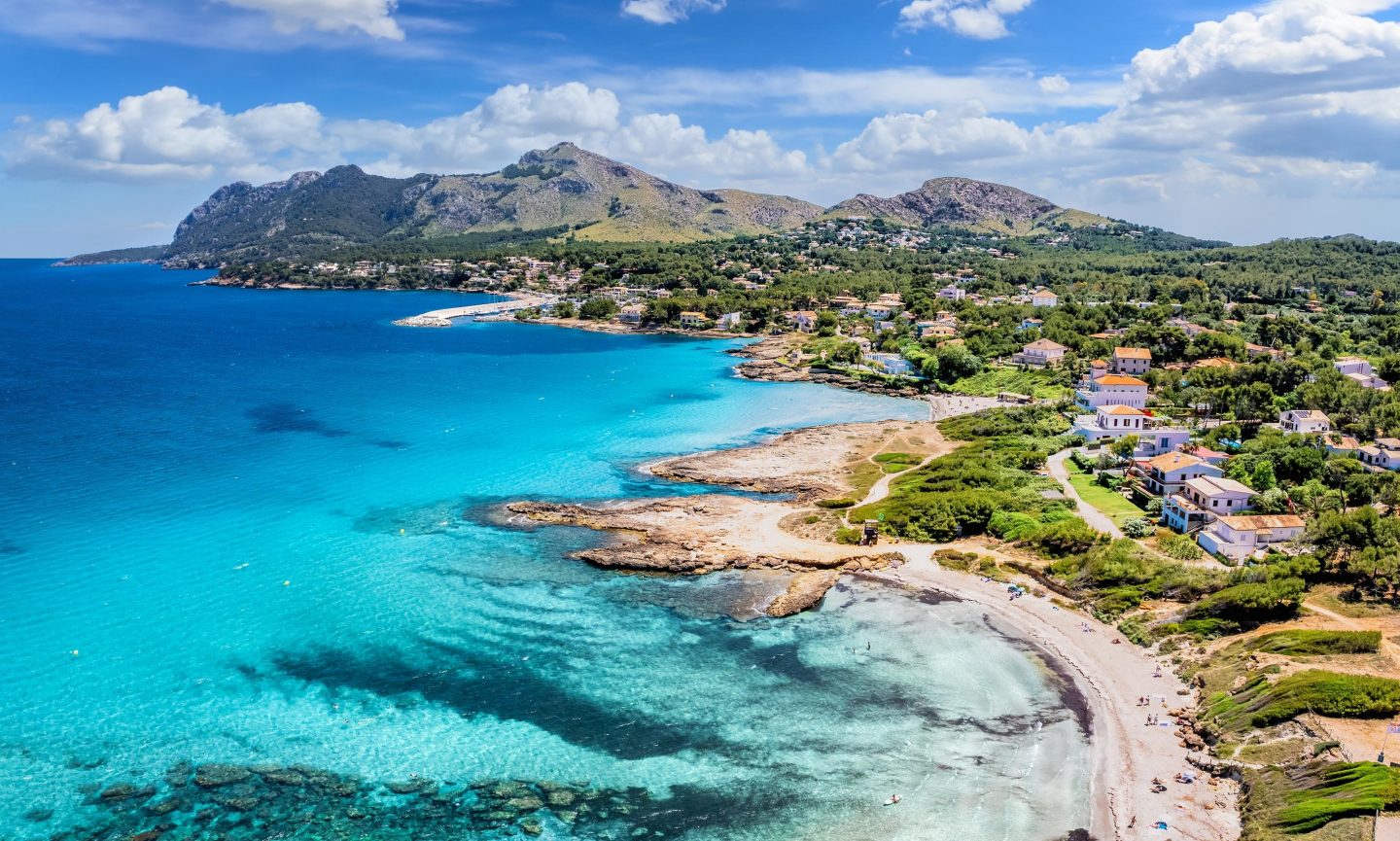
From Caribbean-like sandy beaches to remote bays, with its many beaches, the Balearic island offers the perfect place to relax for all sun worshippers.
✓ Where variety meets beauty
Mallorca’s natural landscape is distinguished by its imposing mountain peaks and idyllic valleys. Why not wind down and enjoy the nature? Guaranteed to happen here.
✓ Feel alive in the nightlife
Mallorca’s nightlife is more than just the Playa de Palma and the Ballermann beach area. The narrow streets only really come to life at night, even in the Old Towns of Palma, Alcúdia or Sóller.

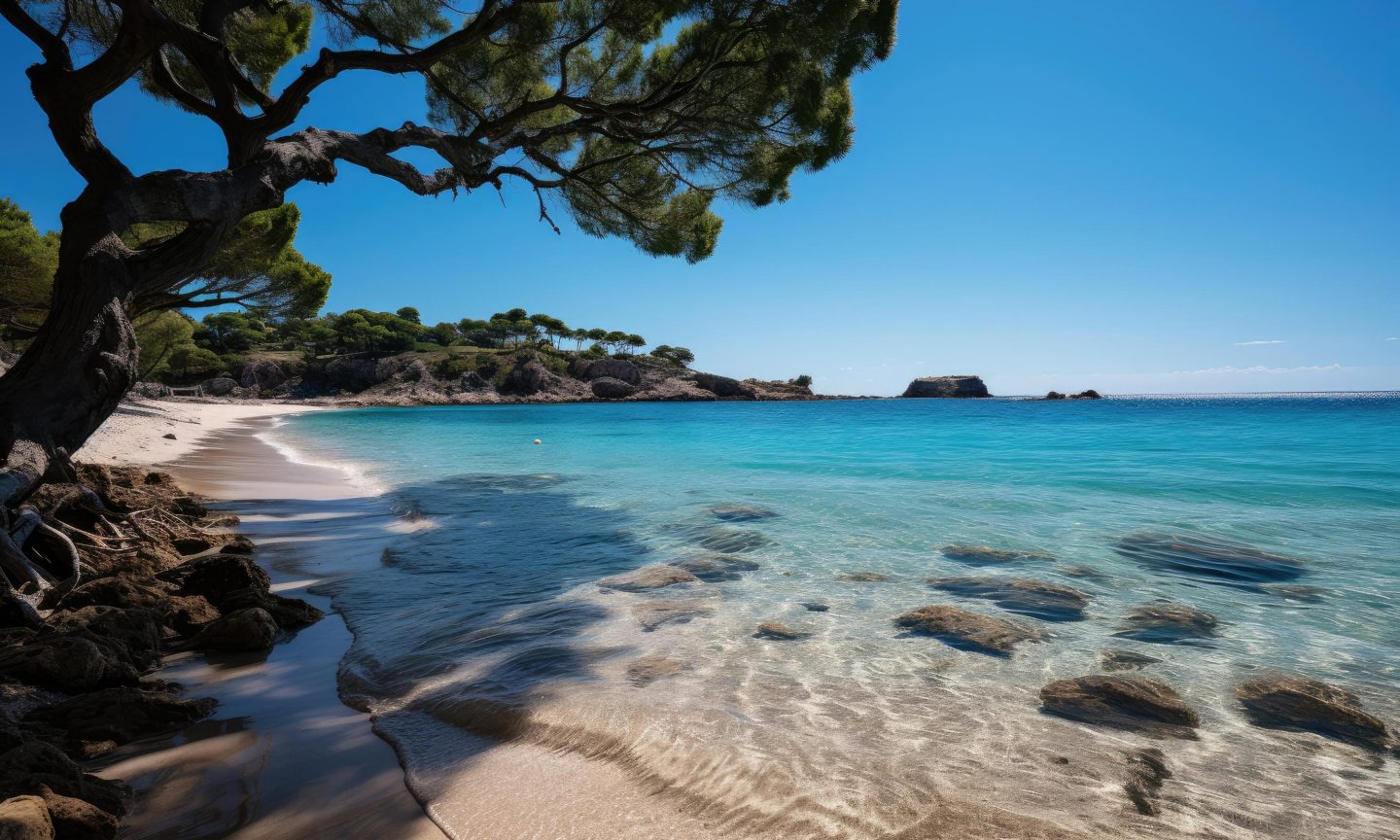
A Caribbean feeling in Es Trenc
The beach of Es Trenc has a reputation for being the most beautiful beach on Mallorca. With its fine, white sand and turquoise water, Playa Es Trenc is a genuine natural wonder – and, therefore, is also a protected natural environment.
Bathe in the sea in Cala Varques, far from the mass tourism
If you prefer to be undisturbed while bathing in the sea and soaking up the sun, you’ll find a paradise in the sandy beach of Cala Varques. Access is via a short footpath through the pine forests. Welcome to Paradise!
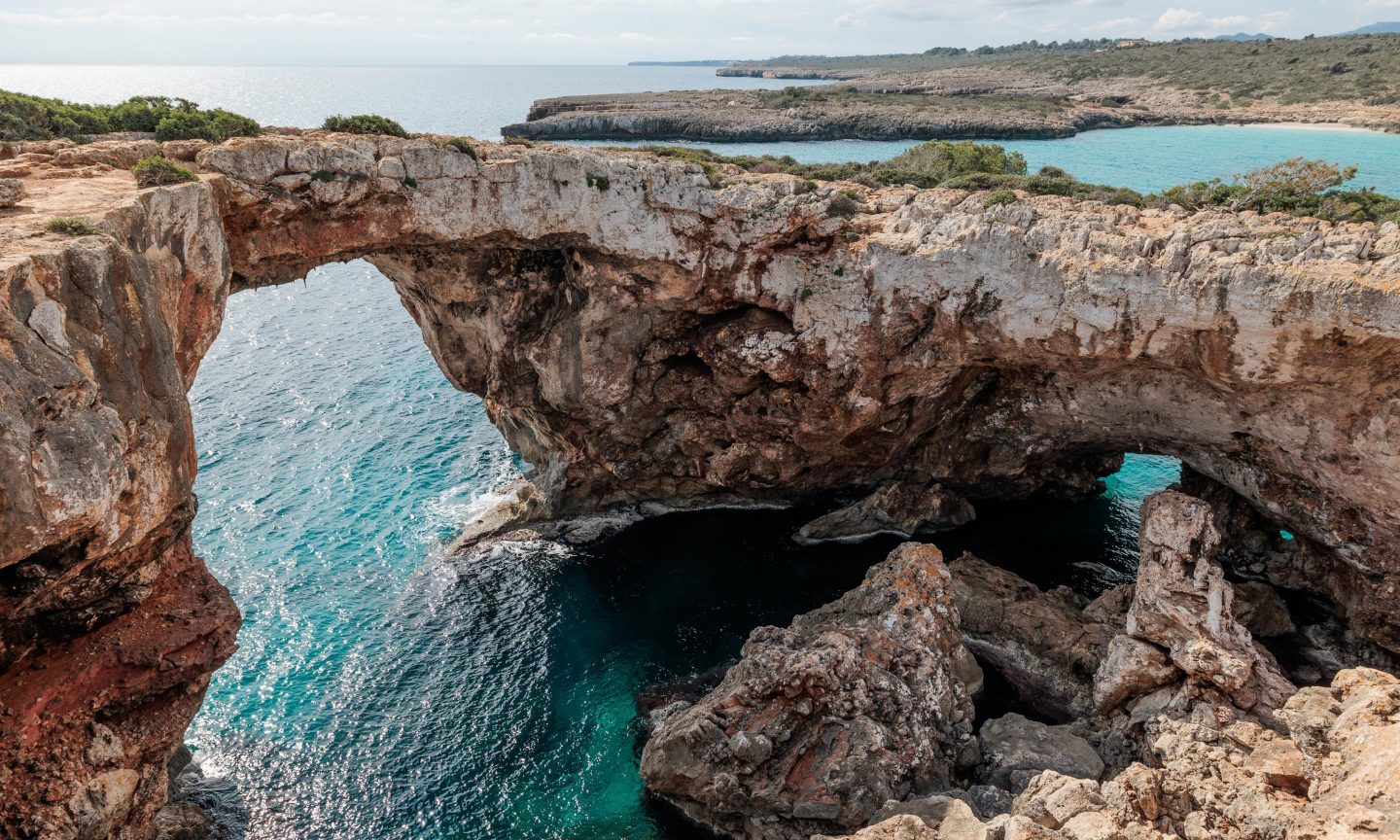
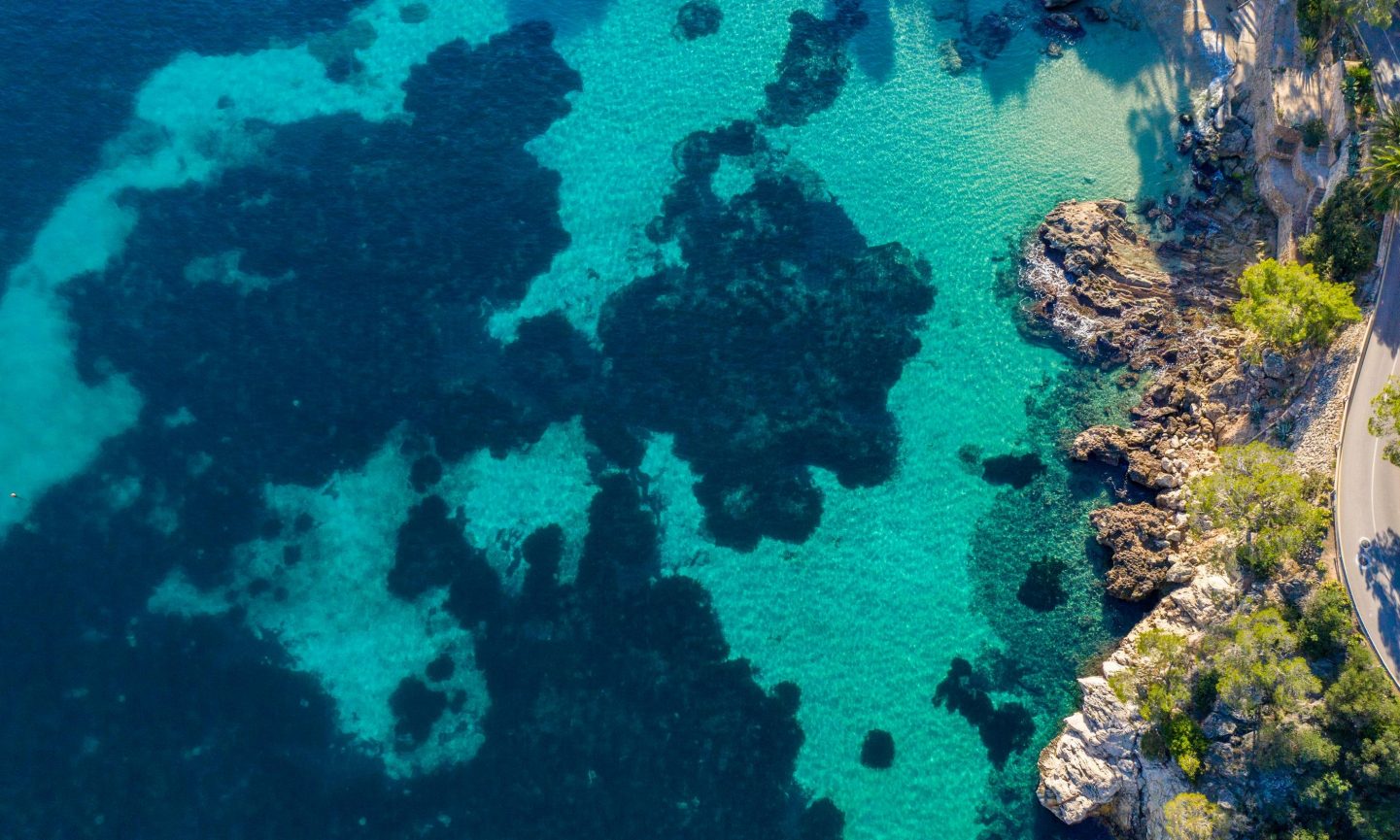
fascinating underwater world
Thanks to the crystal-clear water, many of Mallorca’s beaches are also ideal for snorkeling – like Cala des Moro on the south coast. Ready for an underwater adventure with fish, starfish – and maybe even a few small reef sharks?
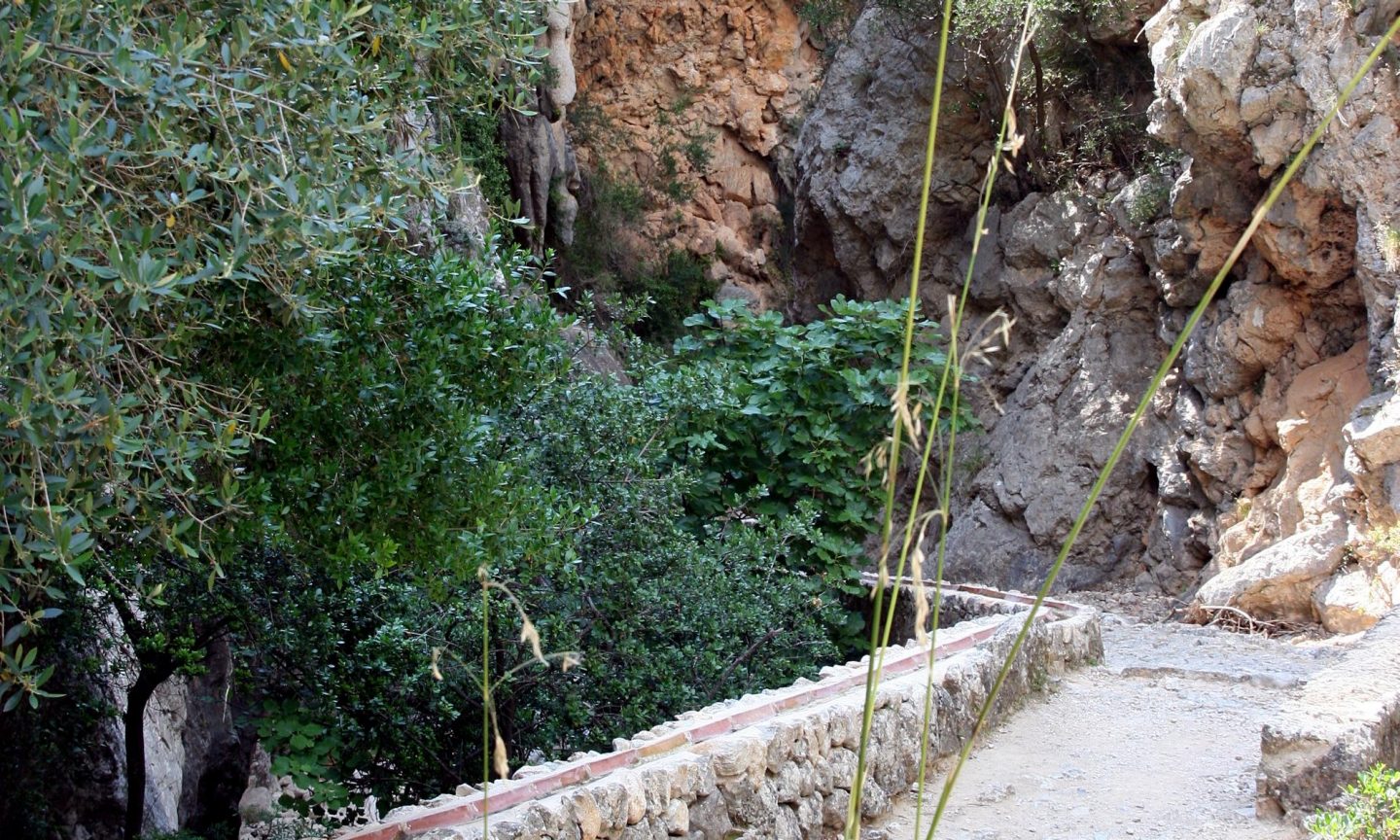
Along the Dry Stone Route: hiking adventures in Ruta de Pedra
Would you like a real hiking adventure during your Mallorca trip? Then head off to the dry-stone route GR-221, also called Ruta de Pedra en Sec. Mountains, valleys, coastlines and picturesque villages – all this can be enjoyed along this 140-km hiking trail.
Canyon in the wilderness
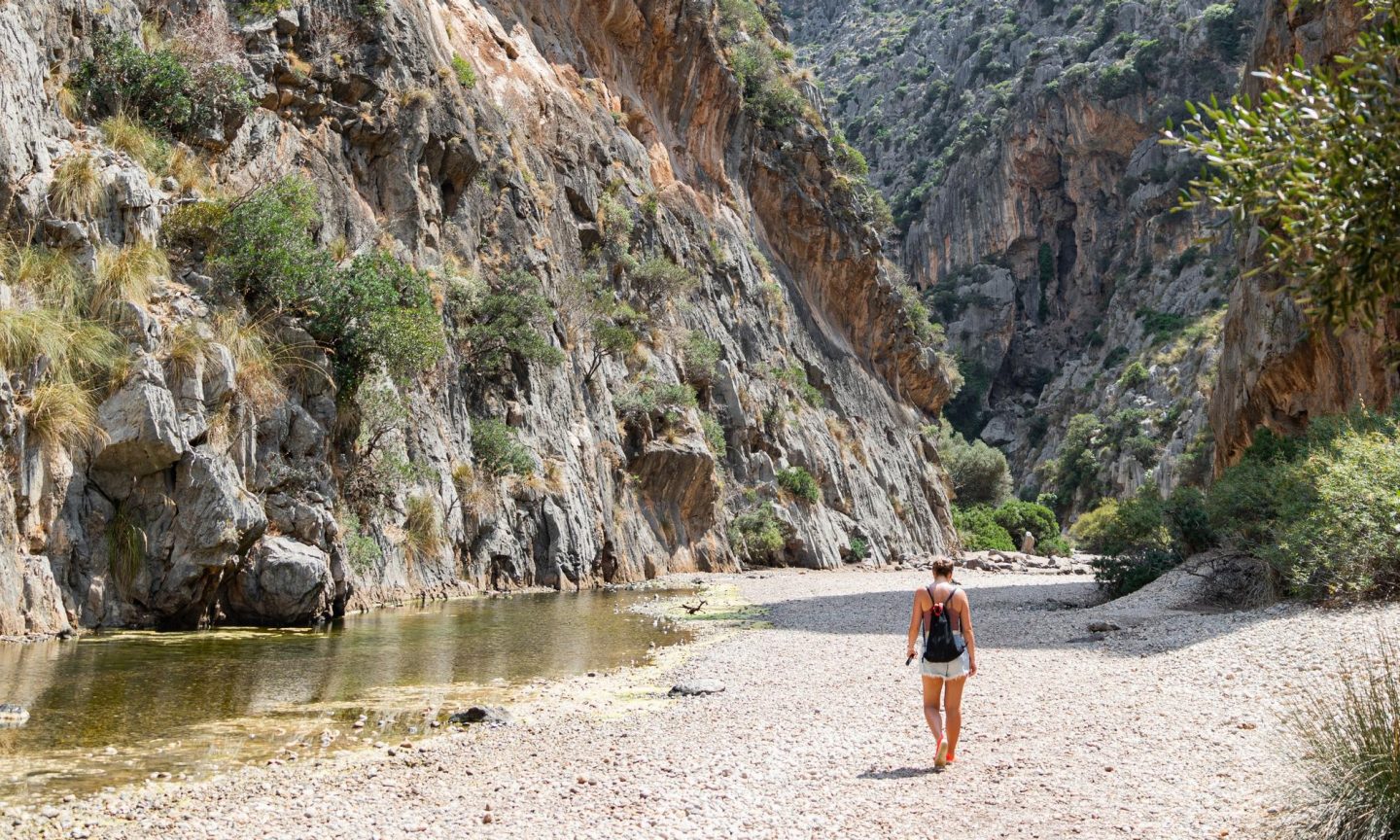
The canyon of Torrent de Pareis extends across the heart of the Serra de Tramuntana and is an impressive natural spectacle. Ever walked along it? The perfect adventure for a family vacation in Mallorca.
Perfect photo spot on Cap Formentor
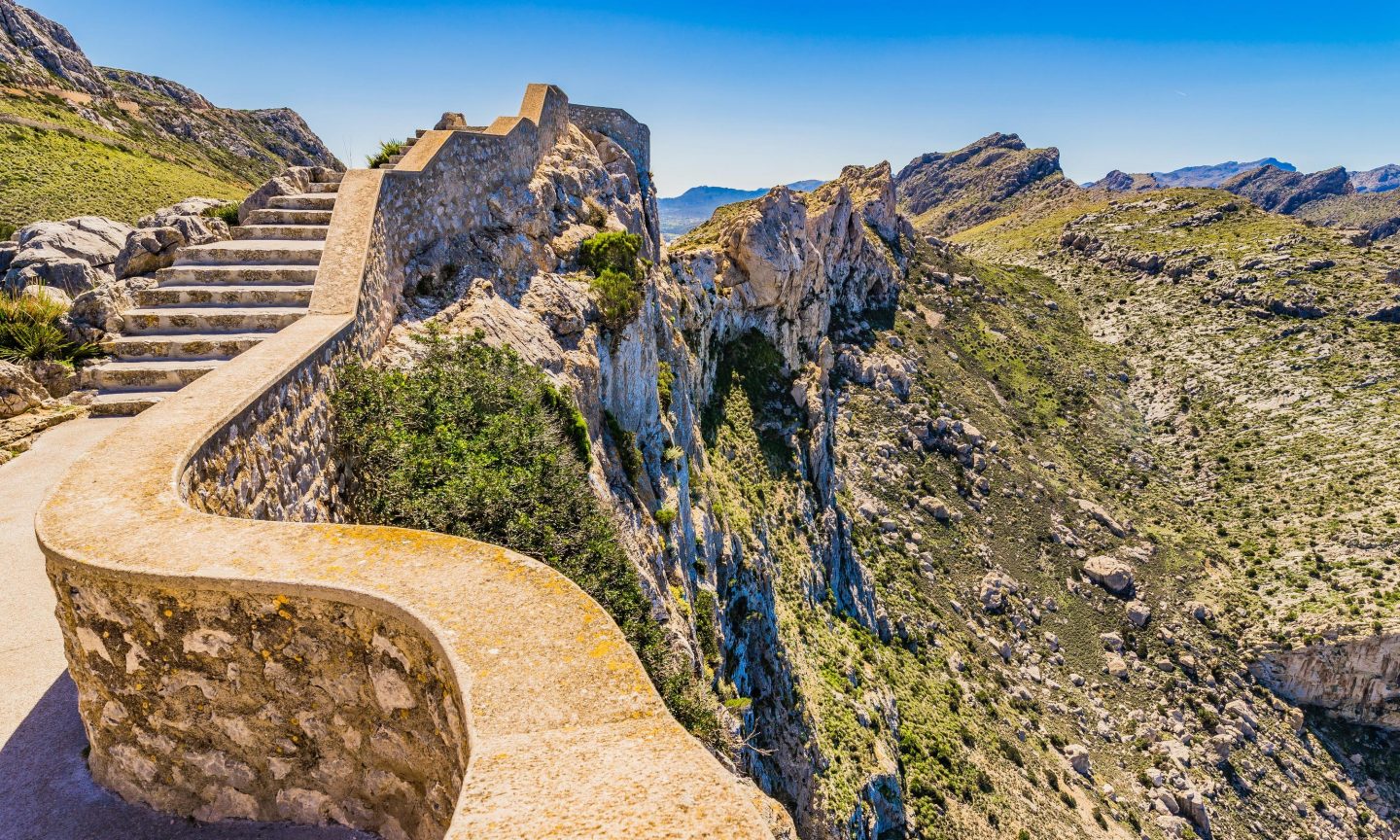
If you don’t take your camera along with you here, you’ll miss some spectacular shots. However, the path along the coast of Cap Formentor is not only a great subject for a photograph; it’s also an opportunity to immerse yourself in the nature of the Balearic Islands.

Palma pulsates with live music
The capital Palma de Mallorca is the center for live music and cultural events. Local musicians and bands regularly appear in the numerous bars and clubs.
Artà’s cultural stage: theater performances under the stars
The city of Artà in the northeast of Mallorca is known for its lively art and cultural scene. The numerous performances, musicals and dance performances on the open-air stage offer exciting insights into the rich culture and history of the Balearic Islands.
Feast till long into the night
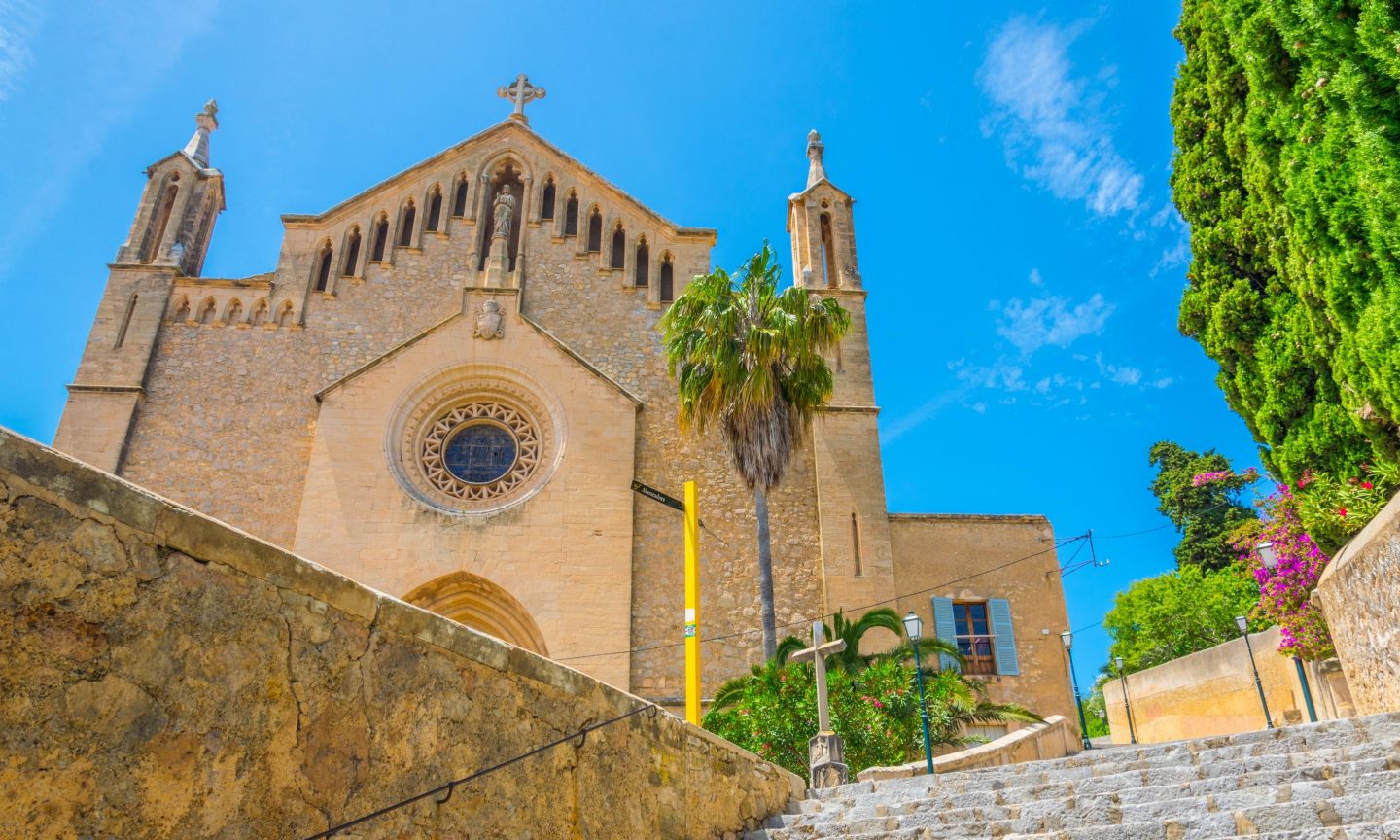
With its medieval charm, the Old Town of Alcúdia is not only visually appealing, but it’s also worth a visit for the local cuisine. There are numerous tapas and fish bars in the narrow alleys where you can feast in a convivial atmosphere long into the night and perhaps drink a glass of sangria or two.
Bucket list for your vacation on Mallorca
1. Must-see: La Seu as a symbol of divine beauty
With its Gothic towers, artistic glass windows, and magnificent vaults, Cathedral La Seu in Palma is definitely a highlight of Mallorca’s architecture – and a must-see for all art lovers.
2. Tapas tour of Mallorca’s cuisine
Vacation in Spain without tapas? Possible, but not recommended. After all, tapas taste so good, these delicious small bites. And feasting on these small delicacies is especially easy on Mallorca with its numerous tapas bars and restaurants. Tip: be sure to try “sobrasada,” an air-dried Majorcan sausage.
3. Mystical worlds in the stalactite caves
Mallorca’s stalactite caves are a hidden world with over 200 cave systems. Some of them are only accessible by diving; others can also be reached on foot and are ideal spots for photos – such as the famous dragon cave in Porto Cristo. Underground lake and spectacular lighting included!
4. Colorful hustle and bustle at the weekly market in Sóller
The vibrant market in northeastern Mallorca offers pretty much everything you could possibly want: from fresh foods to handmade products to regional specialties, it has it all. This variety and the lively atmosphere make visiting the market a real highlight. Be sure to plan in some time and money for this!
5. Boat tour along the coast
Many of the caves and bays of Mallorca are only visible from the water. That’s why a boat tour along the coast is also an absolute must to explore the landscape of this Mediterranean island properly, with a fresh breeze and crystal blue water included. In the mood? Book your vacation in Mallorca!
Weather & best time to travel
The months of May and September are best for a romantic Mallorca holiday for two so you can enjoy time as a couple away from the hustle and bustle. Experience the perfect Mallorca beach holiday from July to August – with pleasantly warm water and many hours of sun. The months of April, May and October, with mild temperatures and less crowded beaches, are ideal for a family vacation on Mallorca with children.
Getting around
A rental car on Mallorca is definitely not a must-have, because the bus network is extensive and connects practically all parts of the island. However, you should hire a rental car if you’re heading to the more remote places far from the tourist centers. These are available both at the airport and in all major cities. You can visit the Lost Beaches and the many small, charming villages that are spread out all over the island.
What else do we love about Mallorca? That it’s so easy to get there from Germany. A flight to Mallorca takes little more than two hours and is also ideal for a short trip. Even more practical is the fact that the Palma de Mallorca airport also offers various transport options to centers such as Palma or Cala Ratjada. In addition to shuttle buses and taxis, there are also regular buses from the airport to the hotspots.

Do’s and don’ts in Mallorca
✓ Discover the local culture
We probably don’t have to explain that Ballermann doesn’t have much to do with Mallorcan culture – it’s better to visit local festivals, markets and events to get a feeling for the real attitude to life in Mallorca.
X Wild camping
Camping outside designated campsites is a no-go and is punishable with fines.
X Inappropriate behavior
As is the case anywhere in the world, respect the local culture and always treat the locals with respect.
✓ Local produce
You absolutely must try the olive oil, cheese, pastries and wine!
X Leave trash behind
It should be self-evident, of course, because Mallorca also suffers from a waste problem – especially in the tourist areas.
✓ Rent a boat
Mallorca is especially beautiful seen from a boat. The changing perspectives mean you can discover the island from a different side and visit some great locations.
✓ The magic of sunsets
You can expect to see the most beautiful sunsets, especially on the west coast!
X Hiking unprepared
Suitable equipment and knowledge of the paths are essential, especially when hiking in the mountains. Stay safe!
Get the best airfare now!
Flights to Mallorca with Discover Airlines
FAQs about vacationing on Mallorca
The best travel time for Mallorca depends on the type of vacation. Beach vacations are best from June to early September, with water temperatures of 22–26°C and air temperatures around 28–32°C. For hiking, cycling and sightseeing, April to May and September to October are ideal—mild, nature in bloom and with fewer tourists. Mallorca can also be visited in winter, with mild 14–17°C temperatures, ideal for almond blossom (late January to early March).
Quiet corners of Mallorca are found mainly in the northeast, east and the mountainous region. Places like Cala Mesquida, Cala Agulla, Cala Varques or Cala Tuent are less crowded even during the high season. Inland, the medieval villages of Valldemossa, Deià, Fornalutx and Sóller impress with their peace and charm. The Formentor peninsula in the north, as well as the mountainous region of the Serra de Tramuntana (a UNESCO World Heritage Site since 2011), offer hikers tranquility away from the hotspots of Palma, Playa de Palma and Alcúdia.
The question of which region in Mallorca is best suited to which type of vacation can be clearly answered by referring to the points of the compass. The southwest around Port d’Andratx, Camp de Mar and Magaluf is upscale and sporty. Palma Bay, with Playa de Palma and “Ballermann”, is the party center. The north with Pollença, Port de Pollença, Alcúdia and Cap Formentor offers family vacations and water sports. The east around Cala Ratjada, Cala Millor and Porto Cristo is the classic choice for families and beach vacations. The southeast with Es Trenc, Colònia de Sant Jordi and Santanyí is known for natural beaches. The Tramuntana Mountains in the west are a paradise for hikers and cyclists.
The flight from Frankfurt to Mallorca takes about 2 hours. Discover Airlines connects Frankfurt (FRA) nonstop with Palma de Mallorca Airport (PMI), Spain’s third-largest airport, with over 33 million passengers per year. PMI is located just 8 km east of the center of Palma and can be reached by public bus (e.g. EMT Line A1), rental car or taxi in 15–25 minutes.
Often chosen as Mallorca’s most beautiful beach, Es Trenc is located in the southeast of the island between Sa Ràpita and Colònia de Sant Jordi. It stretches over approximately 3 km of fine white sand with turquoise blue, Caribbean-like water and has been a nature conservation area since 1984. Other top beaches include the small, pine-tree-lined Cala Varques, the rocky Cala Mondragó, the family-friendly Playa de Muro and the picturesque Cala s’Amarador in the Mondragó Nature Reserve.
The most famous hiking trails in Mallorca pass through the Serra de Tramuntana, a mountain range in the northwest of the island. The most famous long-distance hiking trail is the GR-221 “Ruta de Pedra en Sec” (The Dry Stone Route), which is approximately 140 km long from Port d’Andratx to Pollença. Popular day hikes include climbing Puig de l’Ofre (1,090 m), the tour to the Torrent de Pareis with its gorge walls up to 200 meters high and the Cap Formentor trails overlooking the Mediterranean Sea.
The Serra de Tramuntana is the most impressive mountain range on Mallorca. It spans approximately 90 km along the island’s northwest coast and has been a UNESCO World Heritage Site in the Cultural Landscape category since 2011. The highest peak is Puig Major at 1,445 m. The region is famous for its centuries-old dry stone walls, olive groves, picturesque villages such as Valldemossa, Deià, Sóller and Fornalutx, as well as the GR-221 as a central hiking trail. The former monastery of Real Cartuja de Valldemossa, where Frédéric Chopin and George Sand lived in the winter of 1838/39, is also located here.
The must-see sights in Mallorca include six classics: construction of La Seu Cathedral in Palma in Catalan Gothic style began in 1230; the main portal was consecrated in 1601, and the façade was only completed in the early 20th century. The main nave is one of the tallest in the Gothic world at 44 meters high. The Dragon Cave “Coves del Drac” near Porto Cristo is home to one of the largest underground lakes in Europe, Llac Martel. The Castell de Bellver in Palma is a rare round castle from the 14th century. The Cap Formentor lighthouse offers the northernmost viewpoint on the island. The almond blossom between late January and early March in the interior of the island is a spectacle in its own right. The Sóller weekly market every Saturday is one of the most beautiful markets in the Balearic Islands.
Mallorca is the largest of the four inhabited Balearic Islands, covering approximately 3,640 km², making it Spain’s largest Mediterranean island. For comparison, Menorca measures about 696 km², Ibiza about 572 km² and Formentera only about 83 km². The capital Palma de Mallorca has around 420,000 inhabitants—the entire island around 940,000 inhabitants. Mallorca can be crossed in about 2 hours by car at its longest point.
In Mallorca, there are five culinary specialties to try: sobrasada is an air-dried, paprika-spiced spreadable sausage made from black Mallorcan pork (“Porc Negre”). Ensaïmada is a traditional spiral pastry made with pork lard and is the island’s signature sweet treat. Pa amb oli is Majorcan country bread with olive oil, tomatoes and cold cuts. Tumbet is a vegetarian casserole made with potatoes, eggplant and peppers. The island’s own wine from the DO regions of Binissalem and Pla i Llevant, as well as the herbal liqueur Hierbas, are also a must.
Did you know?
Mallorca has its own domestic breed of goats known as “mallorquina”. These goats are adapted to the rough terrain and dry climate of the island and are often used to produce traditional Majorcan goat’s cheese.
