
Recent searches


Things to do in Mallorca: A guide to the island’s culture
Mallorca has more than beaches up its sleeve. Head inland and you’ll find Gothic cathedrals, imposing castles, medieval monasteries and museums brimming with modern art, all within easy reach of one another. Mallorca’s culture, it turns out, runs just as deep as its coastline. If you’re wondering what to see and do in Mallorca beyond the coast, the island doesn’t disappoint: wander the old town of Palma, visit the peaceful Lluc Monastery or take in the view from Capdepera Castle, and you’ll see why a cultural trip to Mallorca so easily becomes something unforgettable, and pairs just as naturally with an active one. Mallorca’s Roman ruins, sun-dappled courtyards and lively local markets round out the picture, making Mallorca a rewarding choice for a city break with real substance.
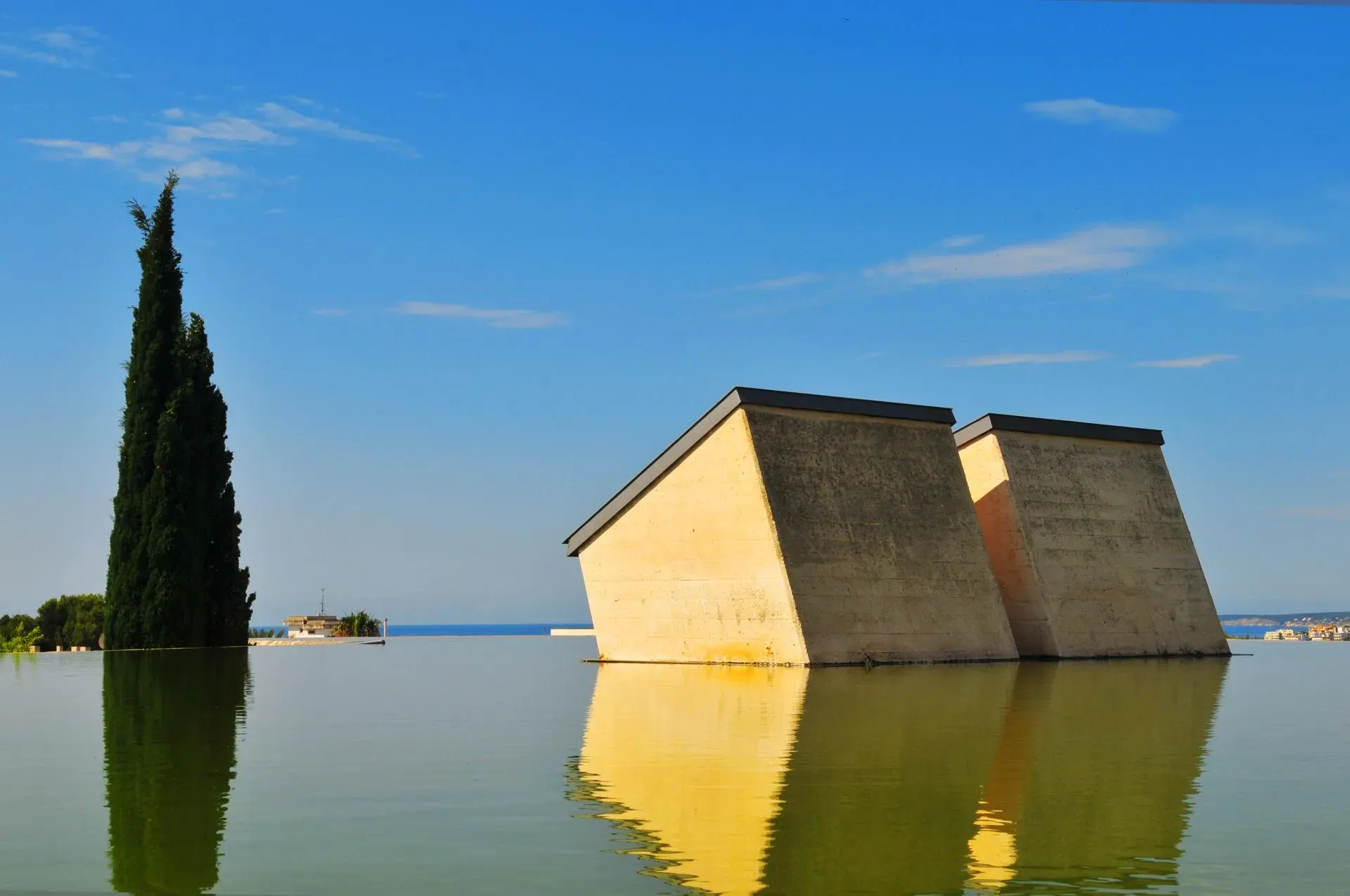
Beyond the obvious highlights, Mallorca’s attractions reward curiosity: disused coastal fortifications, the megalithic ruins of Ses Païsses, ancient Talaiot towers and beautifully restored manor houses tucked into the island’s interior. Art lovers will find plenty to love too, from Catalan modernist flourishes to contemporary exhibitions. It all adds up to a destination that's just as inspiring outside peak season as during it.
Book your cultural trip to Mallorca today on discover-airlines.com and discover everything the island has to offer.
History, heritage and when to visit
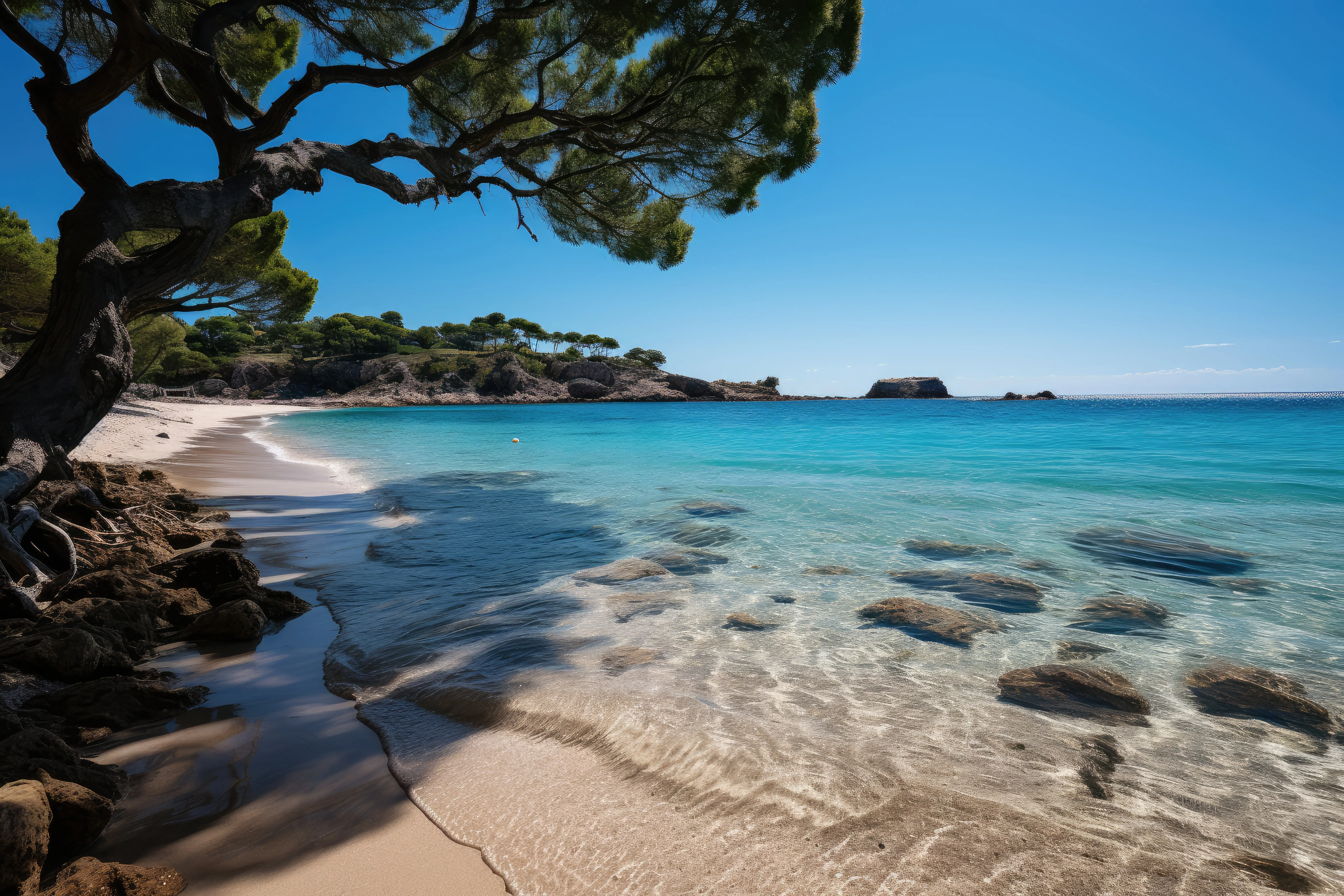
Few Mediterranean destinations blend nature and culture as effortlessly as Mallorca. The island’s story stretches back thousands of years to the prehistoric Talaiotic culture, and the evidence is everywhere, from stone towers to scattered settlement remains. In Roman times, Pollentia near Alcúdia thrived as a major trading hub, and its ruins tell that story today. Moorish influence shaped the island too, particularly in its gardens and water systems, before the Christian reconquest brought the cathedrals and monasteries that still define the skyline. It’s this layered past that makes exploring Mallorca’s cultural attractions so endlessly fascinating.
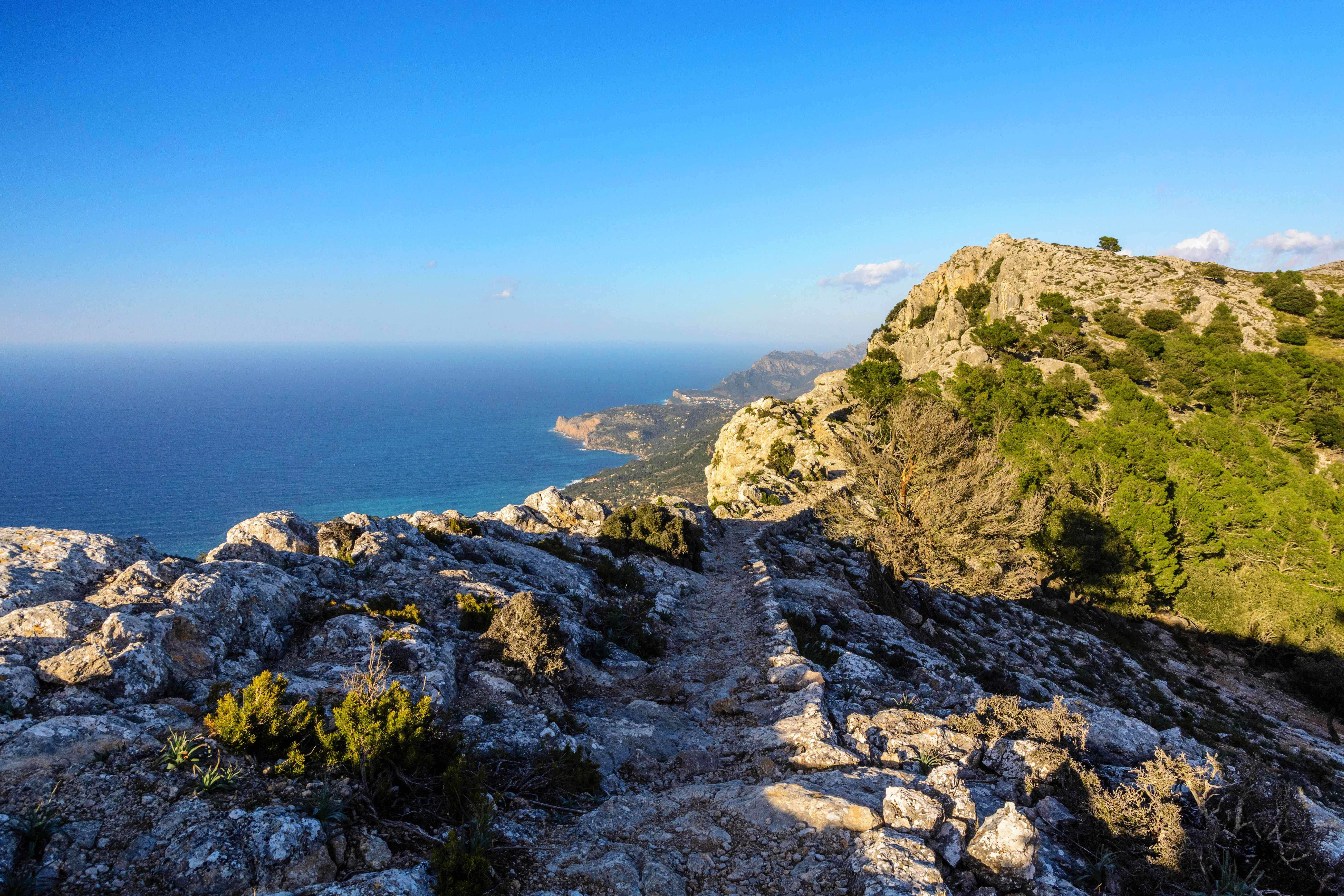
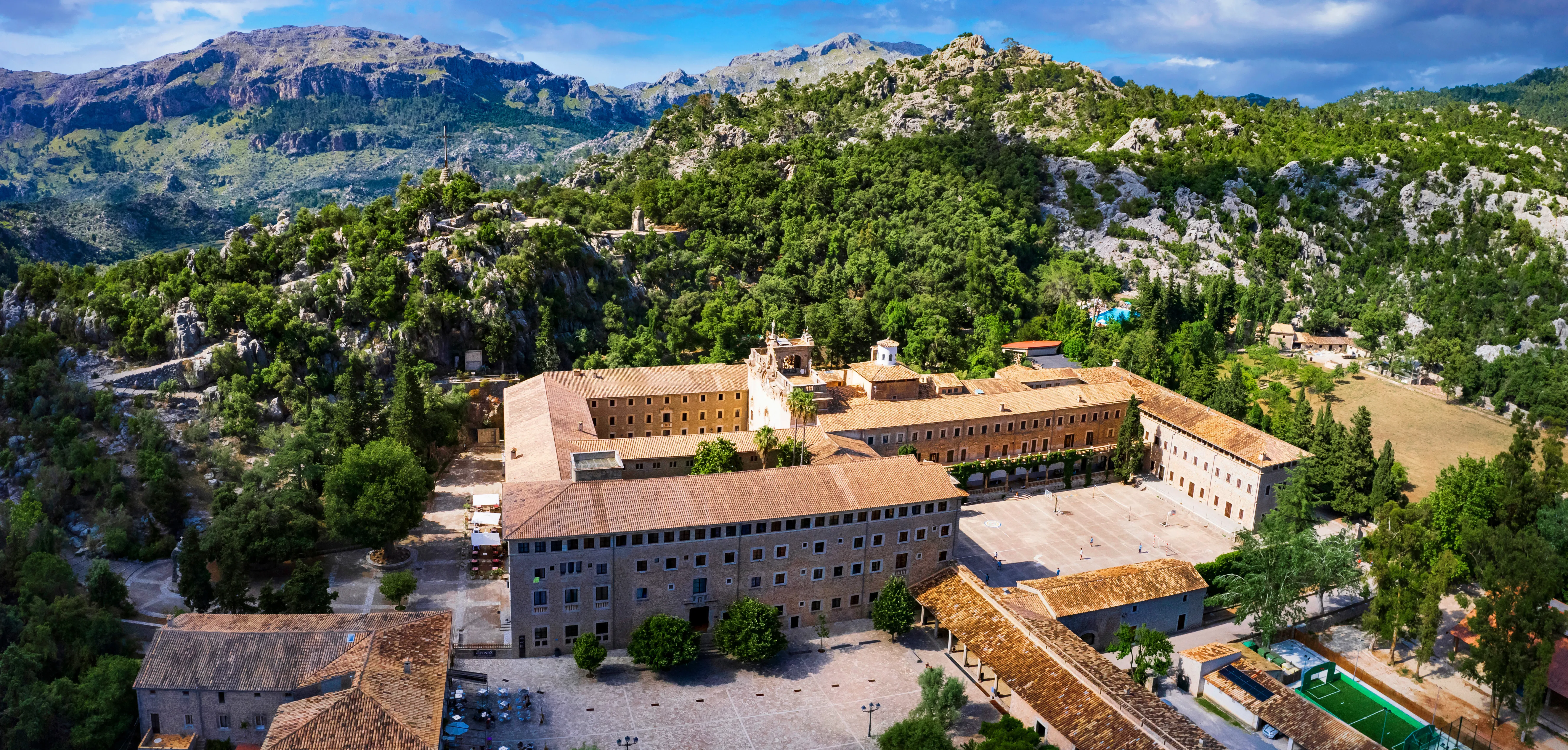
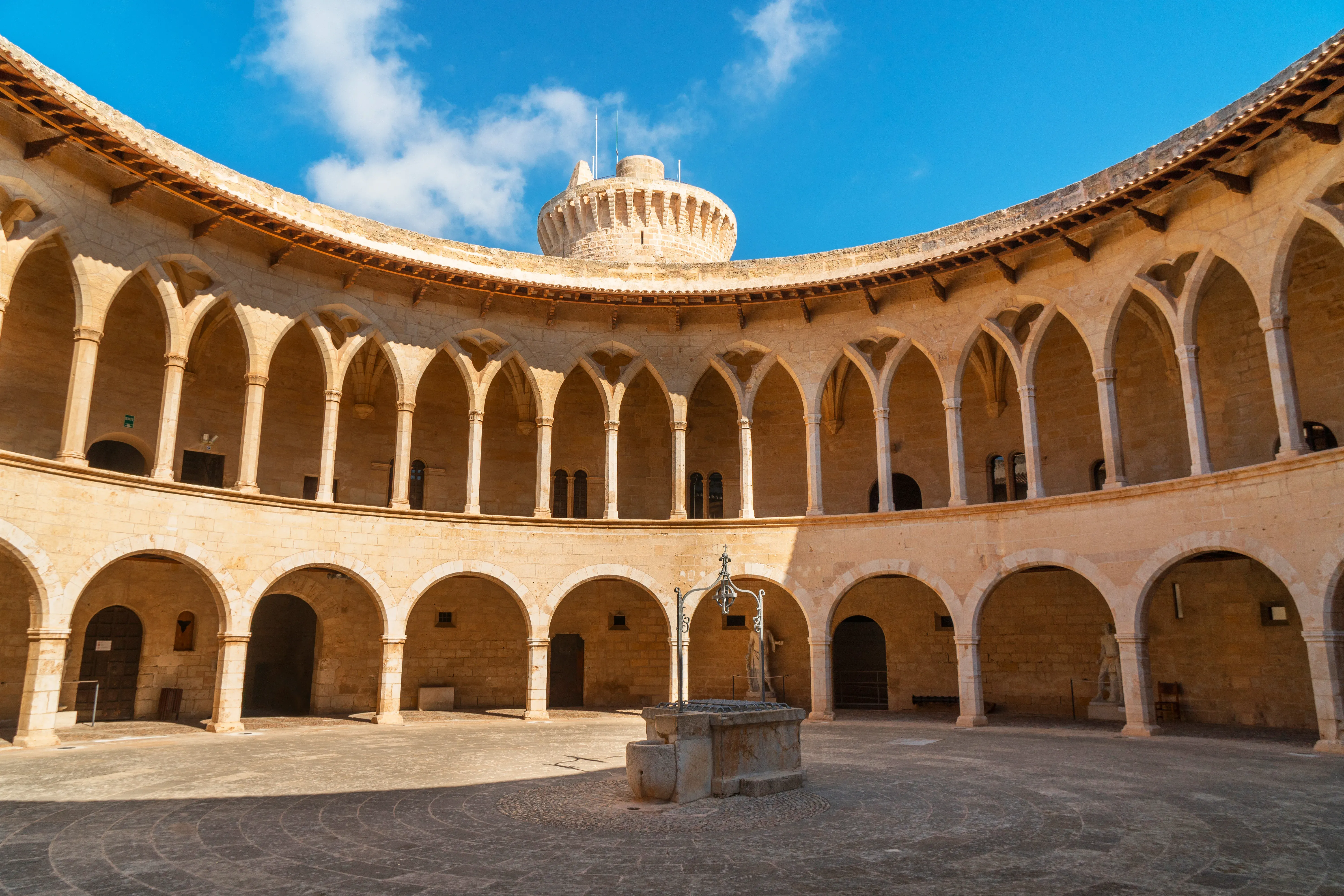
There’s far more to Mallorca’s culture than museum visits. A cultural tour of Mallorca leads you down centuries-old lanes, past grand town palaces, fortified walls and Mallorca’s monasteries with sweeping views over the surrounding countryside. Among Mallorca’s castles, Castell de Bellver and Alaró Castle are two standouts. Once strategic strongholds, they are now among the island’s most popular cultural attractions. Add in traditional festivals, regional markets and time-honored crafts, and you get a sense of how alive the island’s culture still is today.
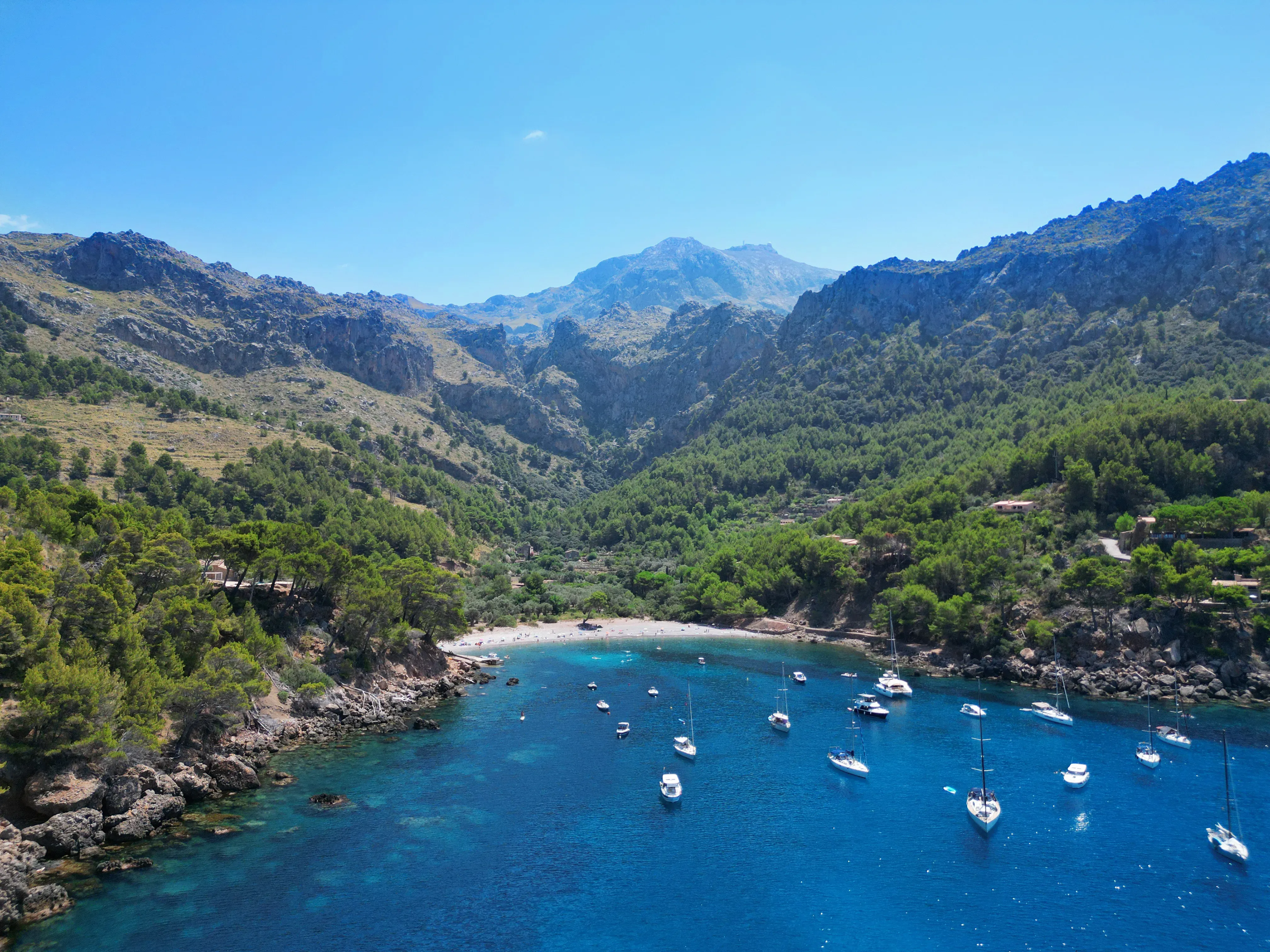
Mallorca enjoys a typical Mediterranean climate: hot, dry summers and mild, wet winters, with sunshine on more than 300 days a year. That makes the island a year-round destination, not just a summer one. Expect temperatures above 30°C (86°F) in high summer, dropping to a pleasant 10–15°C (50–59°F) in winter. Spring and fall offer the best of both worlds: mild temperatures and little rainfall.
In fact, spring and fall are a great time for a cultural trip to Mallorca. With temperatures between 18 and 25°C (64–77°F), conditions are ideal for wandering the streets, exploring museums and taking day trips further afield. The light is especially clear during these months too, perfect for photography and soaking up the atmosphere of the island’s historic sites. Best of all, you can explore castles, monasteries and ruins at your own pace, without the summer heat or the crowds.
Mallorca’s must-see cultural attractions
Planning your visit
A little planning goes a long way if you want to explore Mallorca’s attractions properly. Many of the island’s best places to visit, including monasteries, castles and archaeological sites, are scattered across the island and can be challenging to get to by public transport. A rental car, or at least a carefully mapped-out route, will make it much easier to reach more remote spots like the Santuari de Sant Salvador monastery or the ruins of Pollentia.
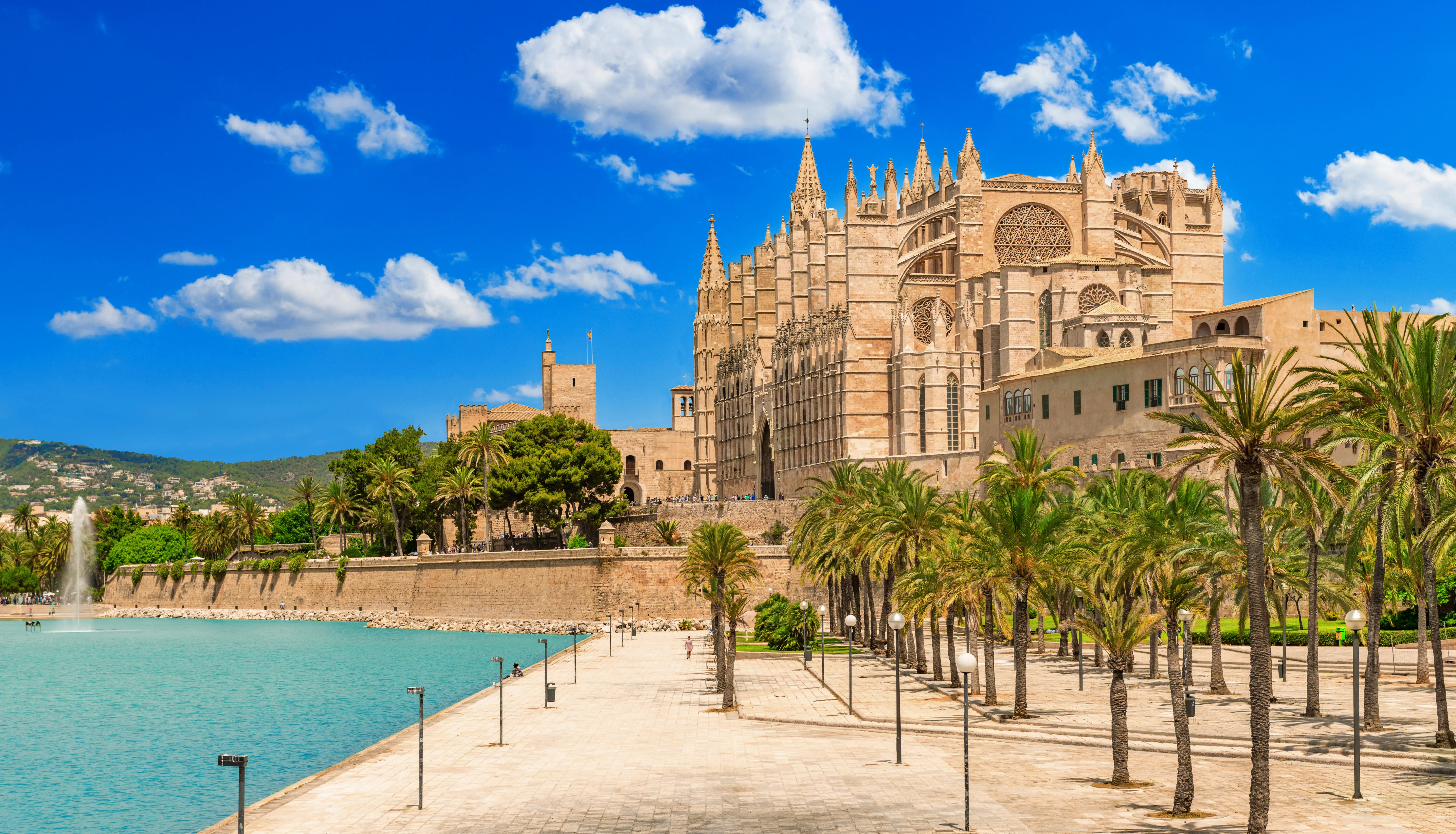
Some of the most popular attractions, including La Seu Cathedral and Fundació Miró, fill up fast in high season, so book online ahead of time. It’s also worth checking opening hours and any special events in advance. Religious sites in particular can close to visitors at certain times, so it’s worth double-checking before you go. If you’re planning to cover a lot of ground, a local culture pass or combo ticket can be a smart way to save both money and hassle. Guided tours are another great option, adding depth and local insight you won’t get on your own. English-language tours are widely available in Palma, though in more rural areas it’s worth booking ahead to secure a spot.
When visiting monasteries and churches, dress modestly: shoulders and knees should generally be covered. If your day includes a hike up to a hilltop castle or a remote chapel, sturdy shoes are a must. Many historic sites don’t have cafés or restaurants nearby, so pack water and a few snacks, particularly in spring and fall, when sightseeing in Mallorca is at its best.
Leave room in your itinerary for smaller towns and Mallorca’s local museums too, as that’s often where the most authentic experiences are waiting. A little groundwork before you go means a trip that feels well planned, rewarding and worlds away from typical package tourism.
Whether it’s a monastery, a castle or a museum you’re after, book your flight to Mallorca on discover-airlines.com.
January


Avg. Temperature:
6°C/6°C

Rainy days per month:
30-60
February
Avg. Temperature:
6°C/6°C
Rainy days per month:
25-45
March
Avg. Temperature:
7°C/7°C
Rainy days per month:
25-45
April
Avg. Temperature:
9°C/9°C
Rainy days per month:
20-40
May
Avg. Temperature:
13°C/13°C
Rainy days per month:
15-25
June

Avg. Temperature:
17°C/17°C
Rainy days per month:
5-15
July
Avg. Temperature:
20°C/20°C
Rainy days per month:
5-10
August
Avg. Temperature:
20°C/20°C
Rainy days per month:
5-15
September

Avg. Temperature:
18°C/18°C
Rainy days per month:
25-50
October

Avg. Temperature:
14°C/14°C
Rainy days per month:
60-100
November
Avg. Temperature:
10°C/10°C
Rainy days per month:
70-110
December
Avg. Temperature:
7°C/7°C
Rainy days per month:
40-70