

Recent searches


Exploring Lanzarote’s volcanoes: What you need to know
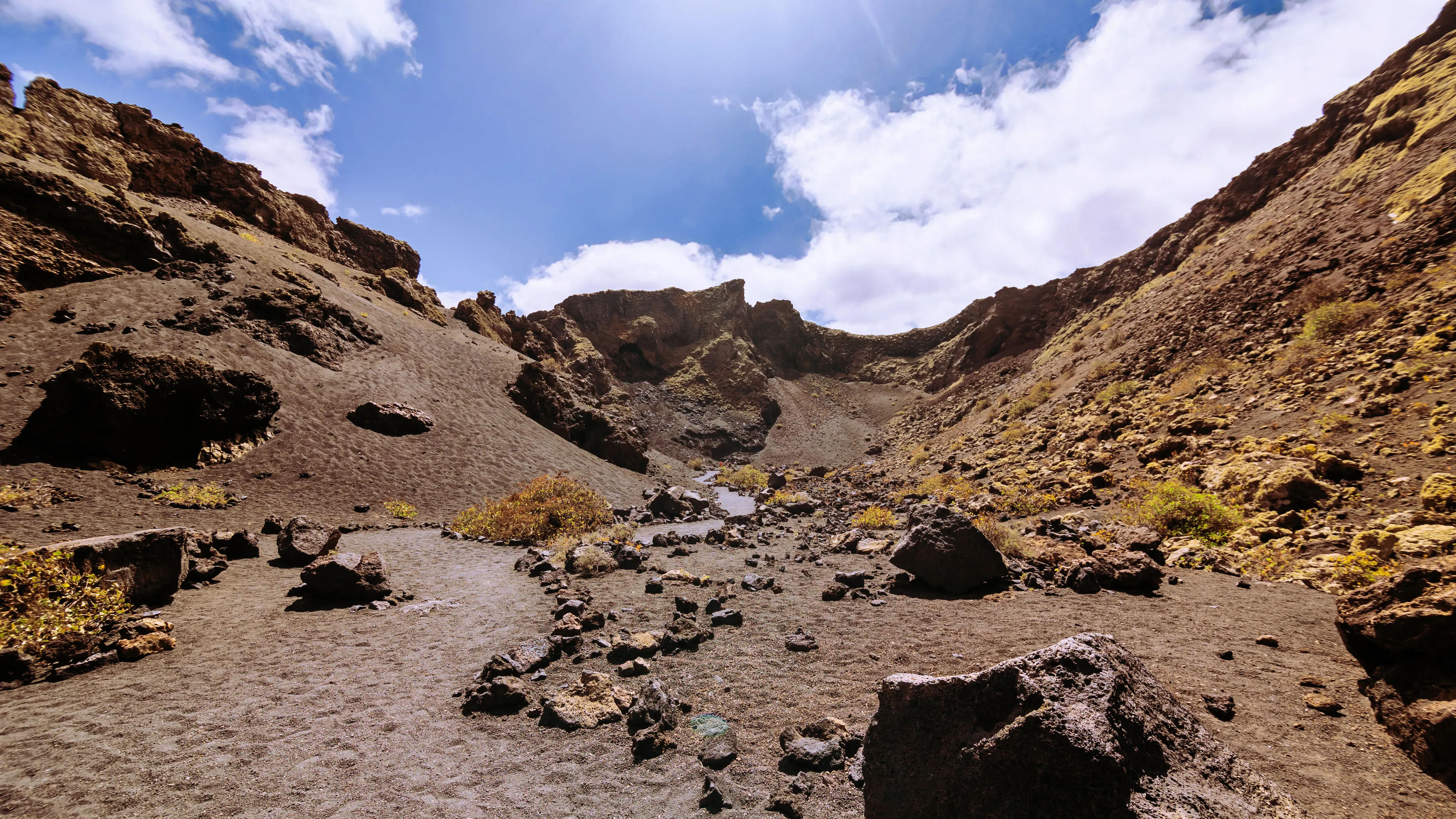
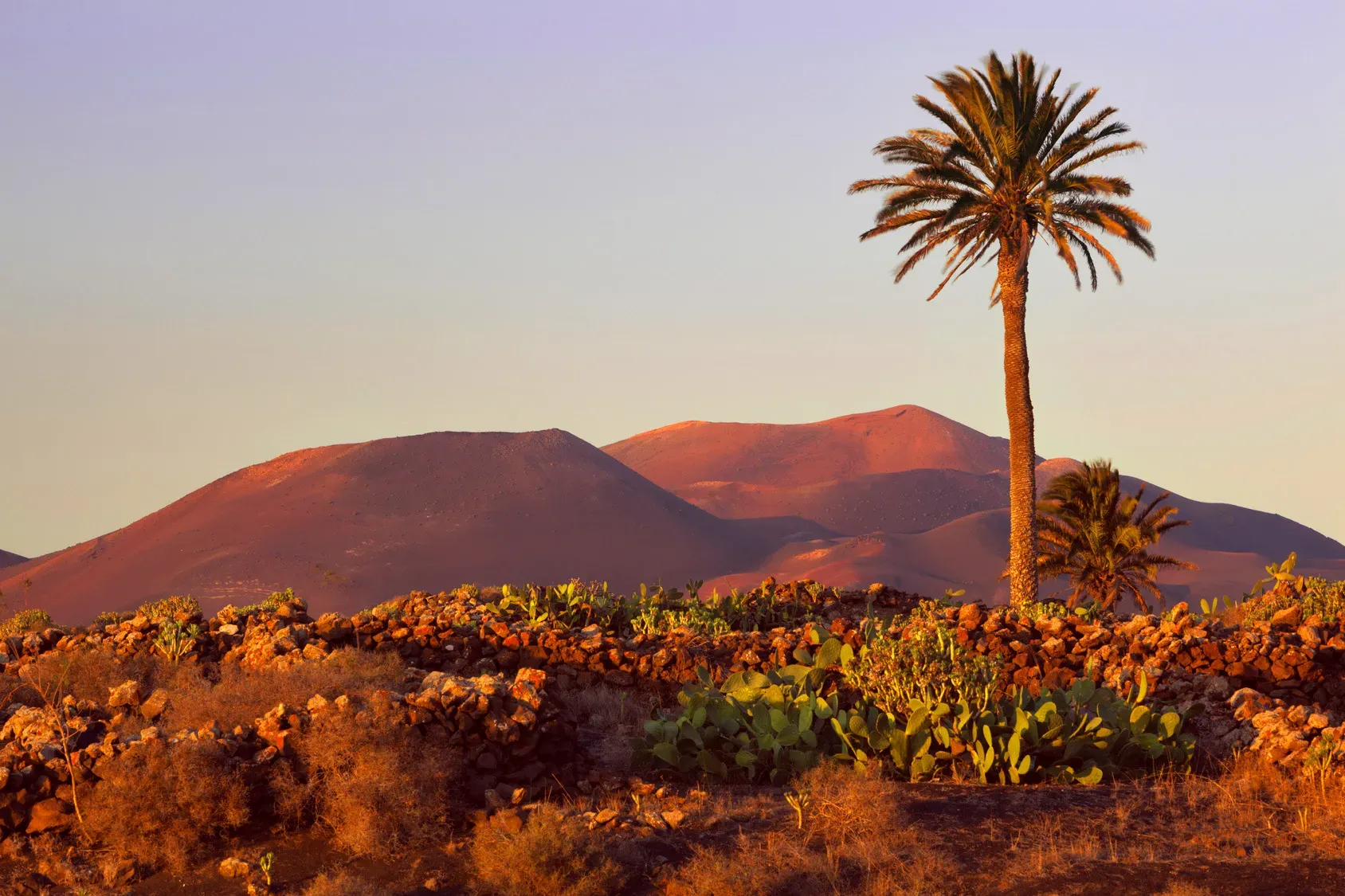
You’ll find some of Europe’s most impressive landscapes on the volcanic island of Lanzarote. Hiking here feels like being on another planet. You’ll pass by dark fields of ash and rugged rock formations before heading out onto vast lunar landscapes, which slowly give way to low hills and colorful rock structures. There’s no better way to see the island’s scenery than on a volcano hike in Lanzarote. Prepare to be surprised by how much variety the island has in store too, from deep-black lava flows in the south to reddish and ochre-colored crater walls in the center.
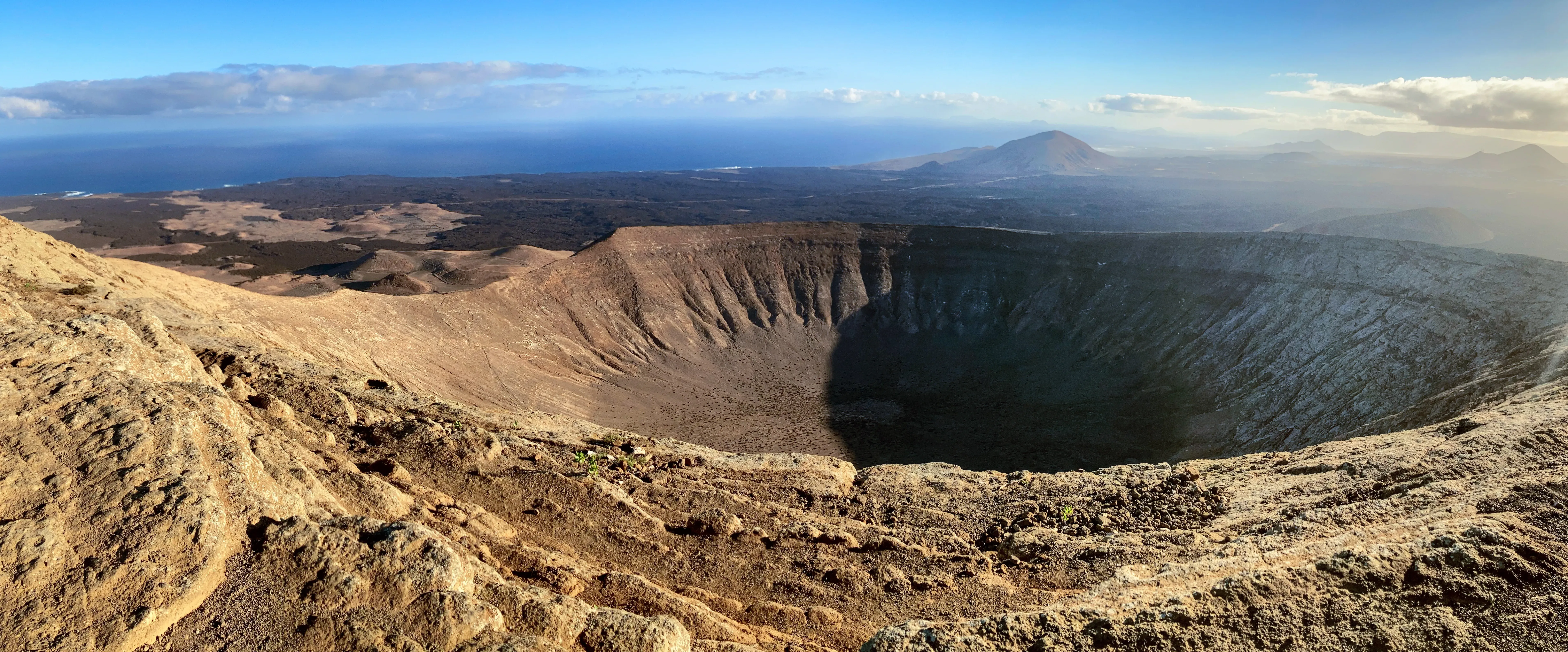
Whether you’re crossing the lava fields between Mancha Blanca and Tinajo or climbing one of Lanzarote’s craters, the island’s geological past is visible everywhere you go. It’s hard to imagine the powerful forces that shaped the volcanic landscape of Lanzarote during the 1730 to 1736 Timanfaya eruptions when standing on the island’s peacefully still terrain today. But look closer and you’ll see how the fine layers of ash, fossilized lava channels and solidified basalt arches all mark its intriguing volcanic past. Hiking here brings you close to the raw power that once shaped this land.
Book your flight to Lanzarote now at discover-airlines.com and get ready to see the many different sides of the island’s volcanic landscapes.
What makes Lanzarote an ideal destination for a volcano hike
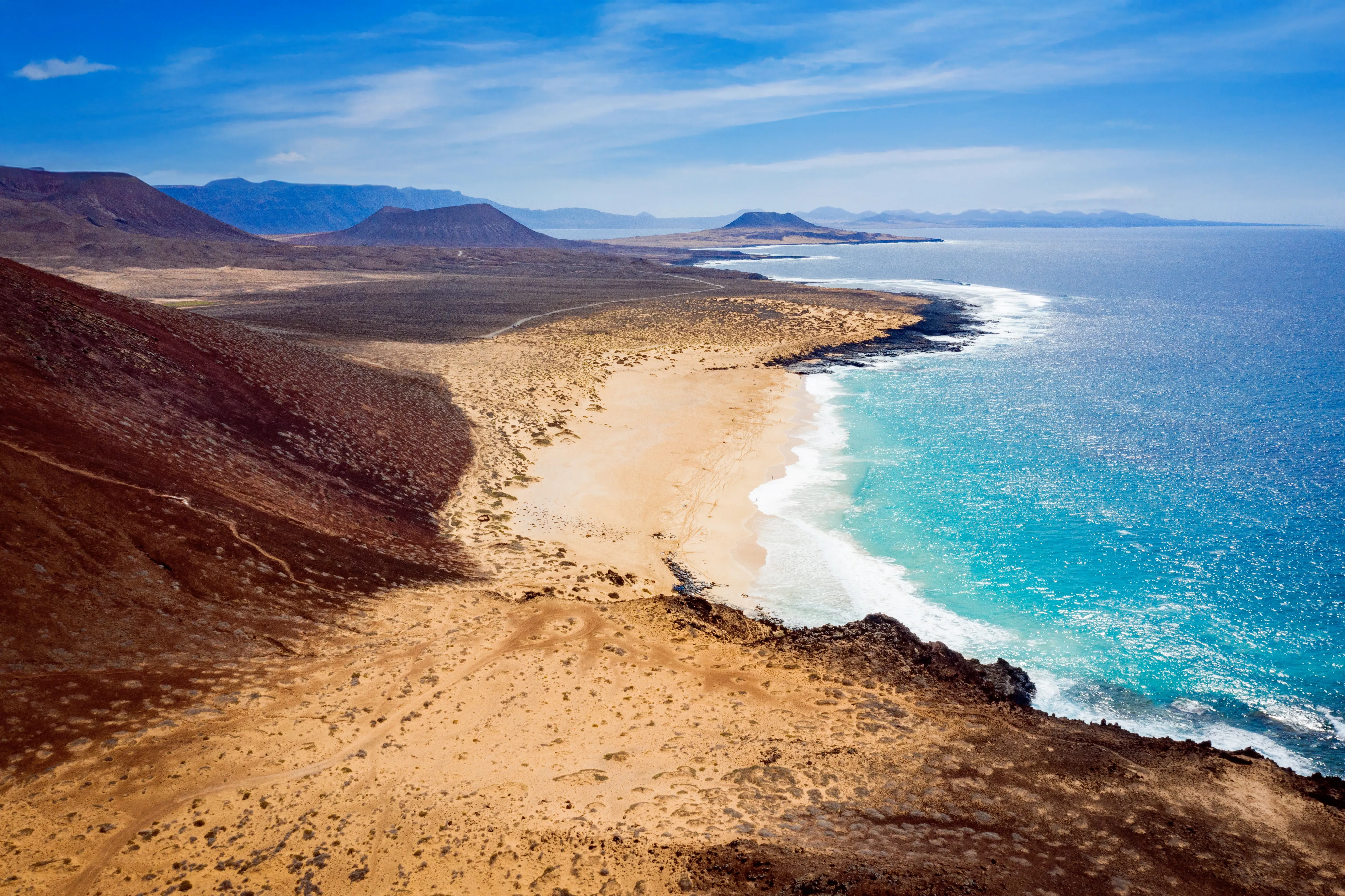
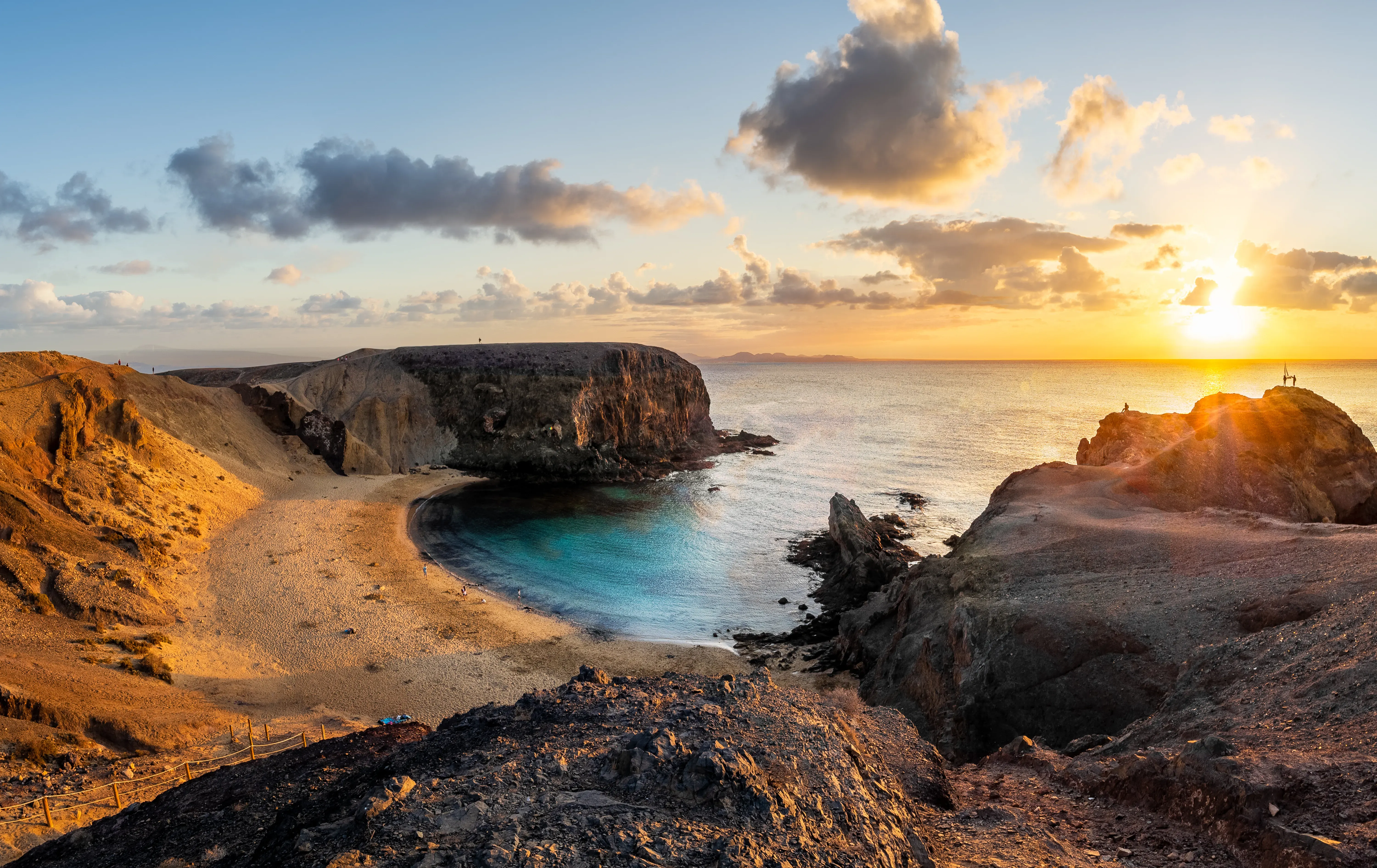
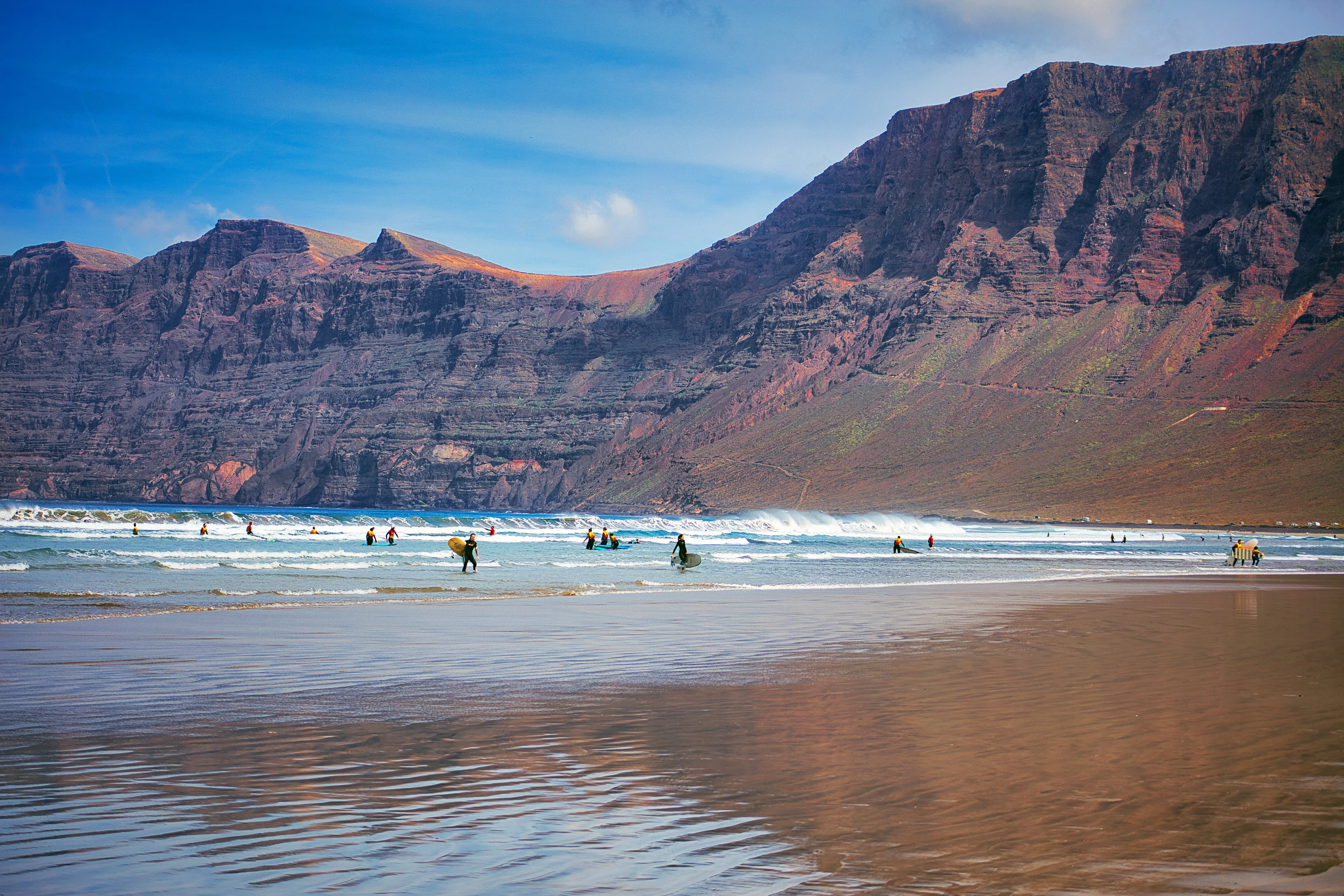
If you’re into geology and volcanoes, few places in Europe can rival Lanzarote. As well as being a UNESCO Biosphere Reserve, Lanzarote is home to some of the most beautiful scenery in the Canary Islands. Beyond volcanoes, you’ll also come across a varied coastline, where architecture and landscape seem to blend into one wherever you go. Whether that’s the Risco de Famara massif in the north, the Janubio salt flats in the south or the vast lava fields in the center, a journey around Lanzarote takes you from cliffs and beaches to unusual vineyards and sleepy villages. But it’s the volcanoes in Lanzarote that have really left their mark on the landscape, in its black lava flows, pale tuff layers and colorful crater walls to name but a few.
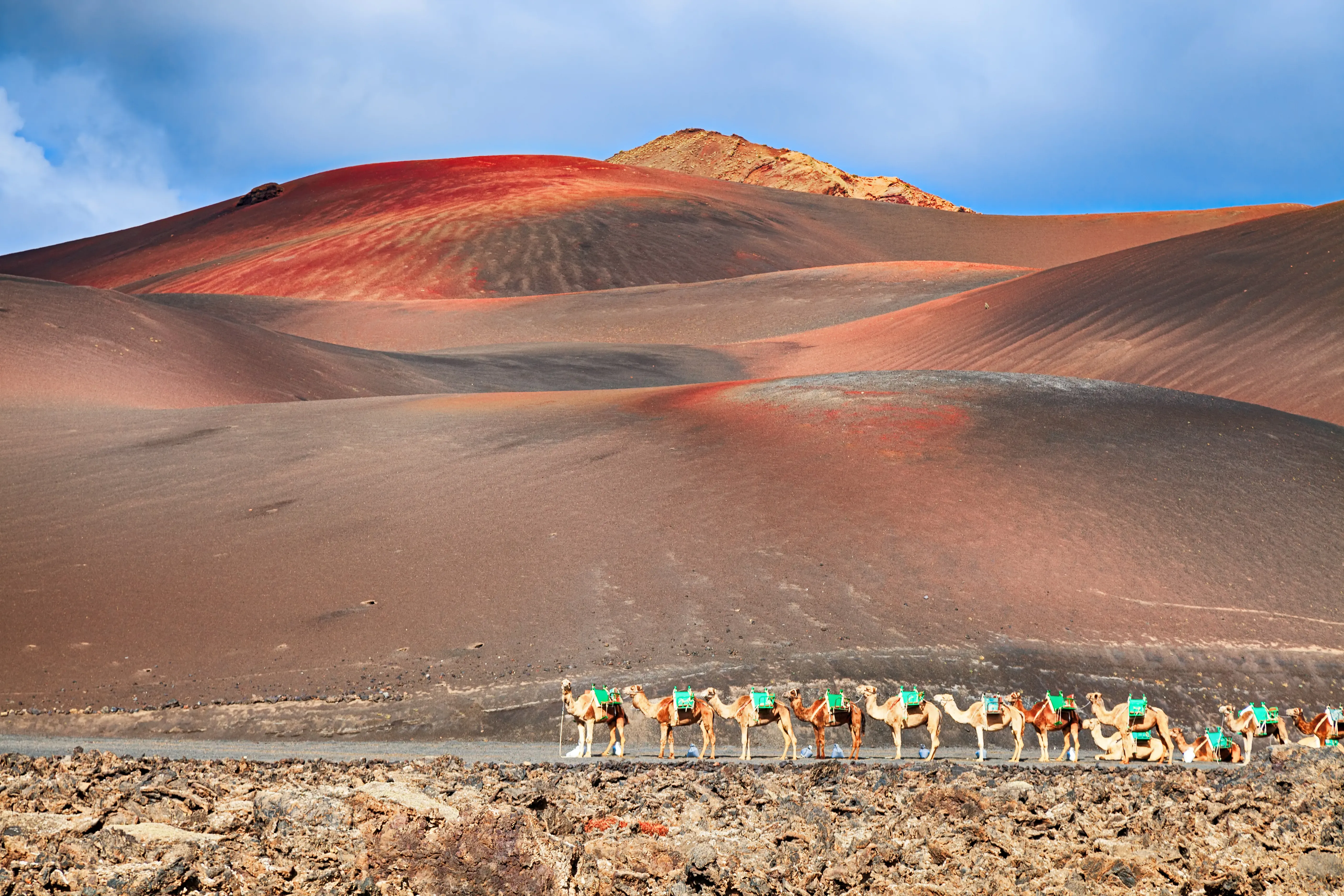
Head to the area around Timanfaya National Park to see what volcanic terrain that has only existed for a few centuries looks like. Although you’re likely to encounter solidified lava fields (known as “Aʻā” and “Pāhoehoe” lava forms) on lots of volcano hikes in Lanzarote, Islote de Hilario is a stand-out. In this area, you can still feel the ground heat today. Be sure to check out one of the short demonstrations that show how hot the earth beneath Lanzarote still is. Keep an eye out for Lanzarote’s geysers, where pouring water into the scorching ground sends up a dramatic burst of steam, proving just how much residual heat is still beneath the surface.
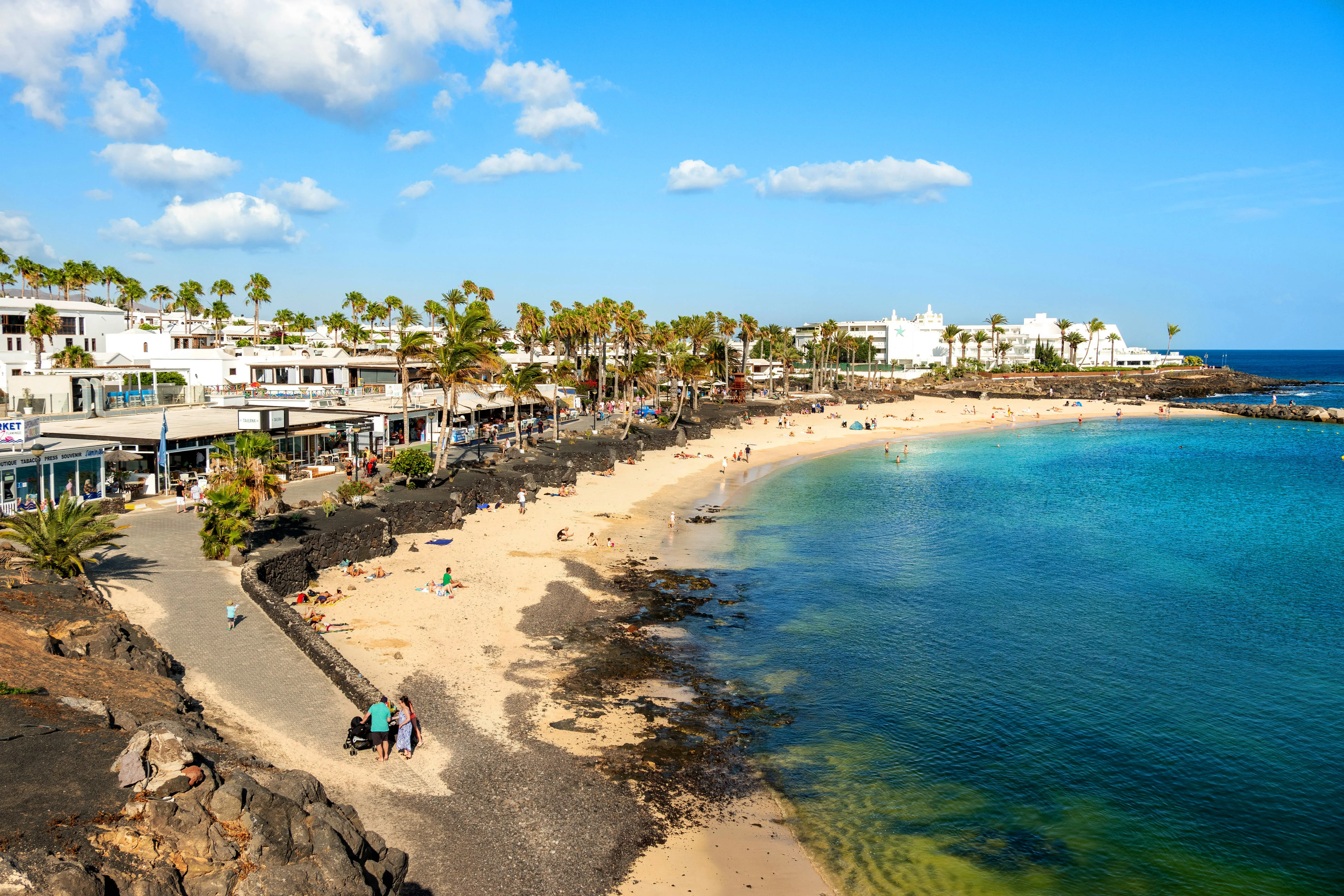
Hiking, including the more strenuous trails, is possible all year round thanks to the island’s favorable climate. Winters are mild, with temperatures hovering between 18 and 21 °C (64 and 70 °F), while in summer temperatures can hit 25 to 30 °C (77 to 86 °F). There are also plenty of other activities to enjoy besides hiking, including walks along the coast, cycling and visits to the island’s traditional vineyards, where vines grow among the black volcanic gravel. Many hiking trails run close to the coast, meaning you can combine hiking with time at the beach or exploring one of the many towns on the coast.
The most spectacular volcano hiking spots in Lanzarote
How to get the most out of time volcano hiking in Lanzarote
So you can have a safe and memorable time hiking the volcanoes in Lanzarote, do a little planning before you go. Keep in mind that many routes lead across sharp-edged lava or loose rock, so sturdy footwear with good grip is essential. There’s very little shade in most volcanic areas so pack enough water as well as sunscreen and lightweight functional clothing. Plan your route carefully, so you get the most out of your visit to Lanzarote’s volcanoes.
If you’re planning on exploring or climbing a volcano in Lanzarote, make sure you stay on marked paths. Lava fields regenerate very slowly, so off-trail hiking is not permitted. There are strict protection measures in place in the Timanfaya area, as many formations are geologically valuable and fragile. Be sure to observe all regulations that are there to protect the local environment. The volcanic areas are some of the most delicate ecosystems in the whole of the Canary Islands, so take all of your trash with you and stick to the marked trails.
Keep in mind that cell service may be limited in some areas, so share your route with other travelers and avoid starting longer treks too late in the day, especially to Caldera Blanca or the La Geria lava fields.
If it’s your first time visiting this kind of terrain, consider joining a guided tour of the volcanoes. A professional guide will explain how the different rock formations were created and take you to places where the island’s underground energy is still noticeable.
Renting a car is a good idea if you want to cover several volcanic areas in one day. Main roads on the island are in good condition, but access roads to hiking car parks or more remote viewpoints may be narrow or unpaved. Drive carefully and allow enough time for your journey. There are plenty of rental providers at Arrecife Airport and in the larger towns of Playa Blanca, Costa Teguise and Puerto del Carmen.
Wine on the island is also closely linked to its volcanic history. In the La Geria region, vines grow in circular hollows made of black volcanic gravel, a unique cultivation method found nowhere else on Earth. The wines produced there, especially Malvasía, are some of the island’s most popular products.
All major credit and debit cards are accepted in hotels, larger restaurants and supermarkets on the island. Smaller restaurants, markets or remote beach bars may prefer cash, though. You’ll find plenty of ATMs in many of the island’s larger towns. Tipping is not mandatory, but five to ten percent is customary.
Book your flight to Lanzarote now at discover-airlines.com and get ready to explore the island’s many fascinating volcanoes.
January


Avg. Temperature:
14°C/21°C

Rainy days per month:
10-40
February
Avg. Temperature:
15°C/21°C
Rainy days per month:
5-30
March
Avg. Temperature:
15°C/23°C
Rainy days per month:
0-15
April

Avg. Temperature:
16°C/23°C
Rainy days per month:
0-10
May
Avg. Temperature:
17°C/25°C
Rainy days per month:
0-5
June
Avg. Temperature:
19°C/26°C
Rainy days per month:
0-2
July
Avg. Temperature:
21°C/28°C
Rainy days per month:
0-1
August
Avg. Temperature:
21°C/29°C
Rainy days per month:
0-2
September
Avg. Temperature:
21°C/28°C
Rainy days per month:
0-5
October
Avg. Temperature:
20°C/27°C
Rainy days per month:
0-10
November
Avg. Temperature:
17°C/24°C
Rainy days per month:
5-25
December
Avg. Temperature:
16°C/22°C
Rainy days per month:
10-35