

Recent searches
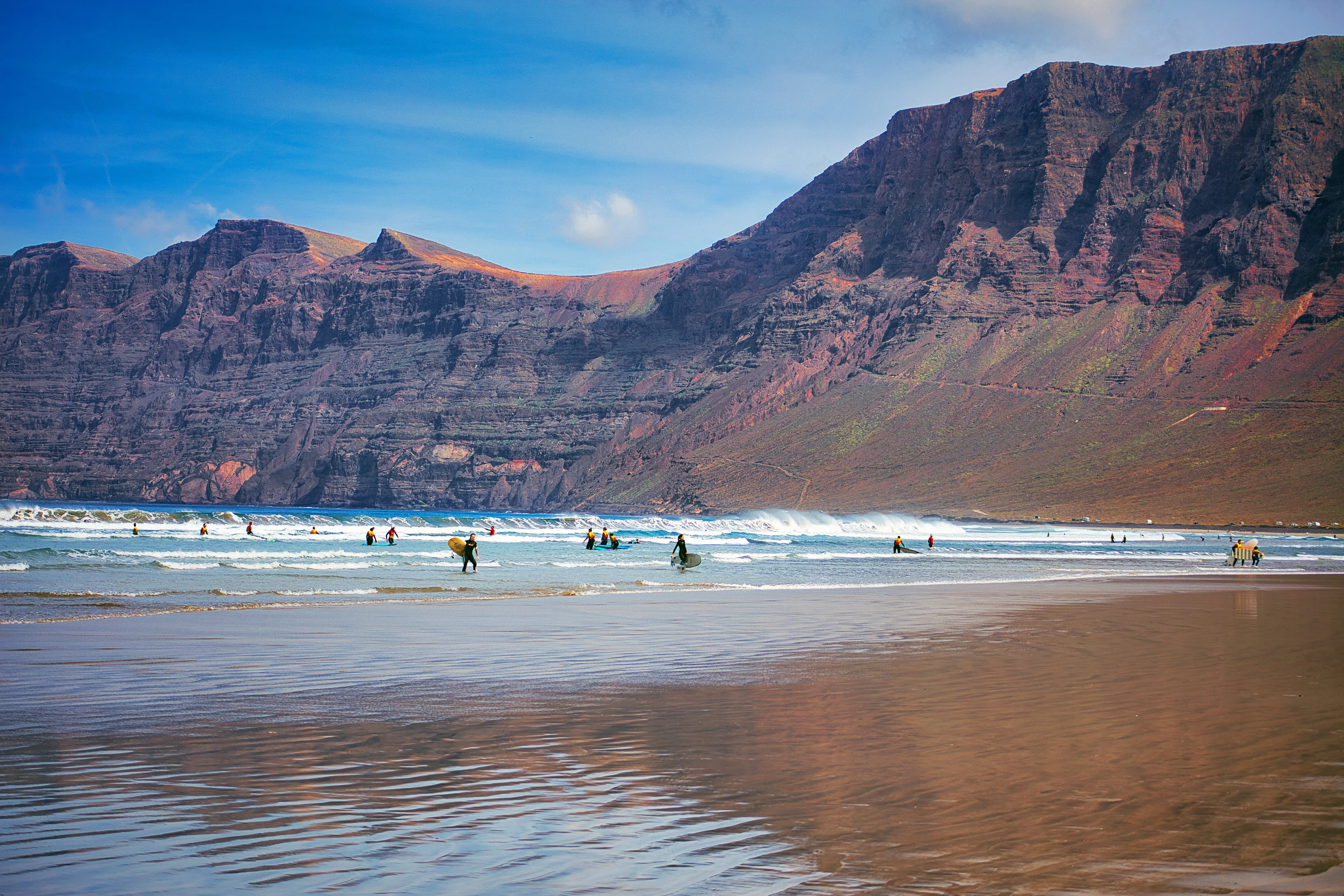


Lanzarote’s beaches: Where sea and sand meet lava
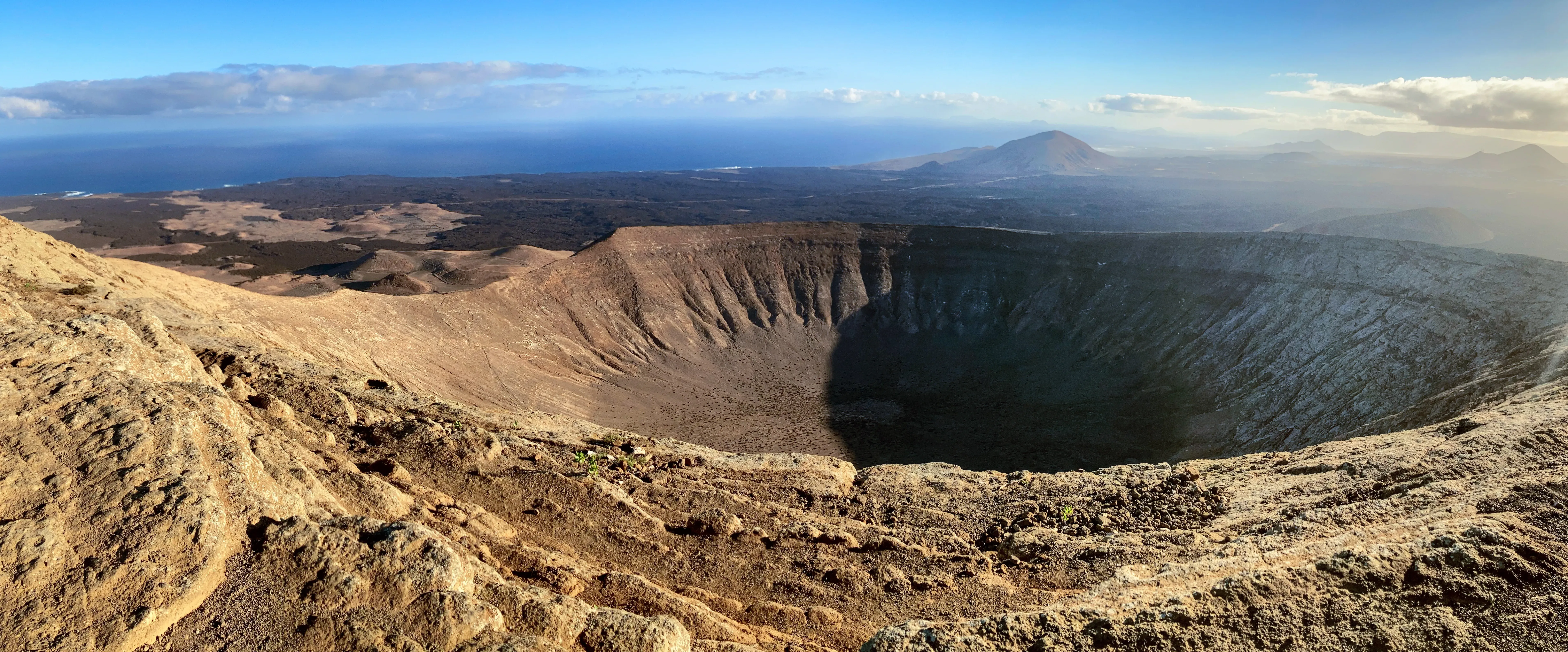
Between volcanic cones, solidified lava fields and some of the Atlantic’s most varied stretches of coastline, Lanzarote is unlike anywhere else in the Canary Islands. And nowhere is that more visible than on its beaches, where dark volcanic rock gives way to soft, pale sand. Between Lanzarote’s quiet coves, golden dunes, black lava fields and bright sandy beaches, you’ll find an island full of surprises, rugged and beautiful one moment, calm and quiet the next. Its mild, year-round climate also makes it an ideal destination for sunseekers.
Head to the south for wide sandy stretches or venture up north, where dramatic cliffs tower above the wild Atlantic. In between, you’ll find charming towns dotted along the coast, where the sea air is fresh, the food is local and the views stop you in your tracks. Best of all, you don’t have to go far to find a quiet stretch of coast all to yourself. It’s what a beach vacation in Lanzarote is all about.
Book a flight to Lanzarote now on discover-airlines.com and see all the many different sides of the island.
Why spend your beach vacation in Lanzarote
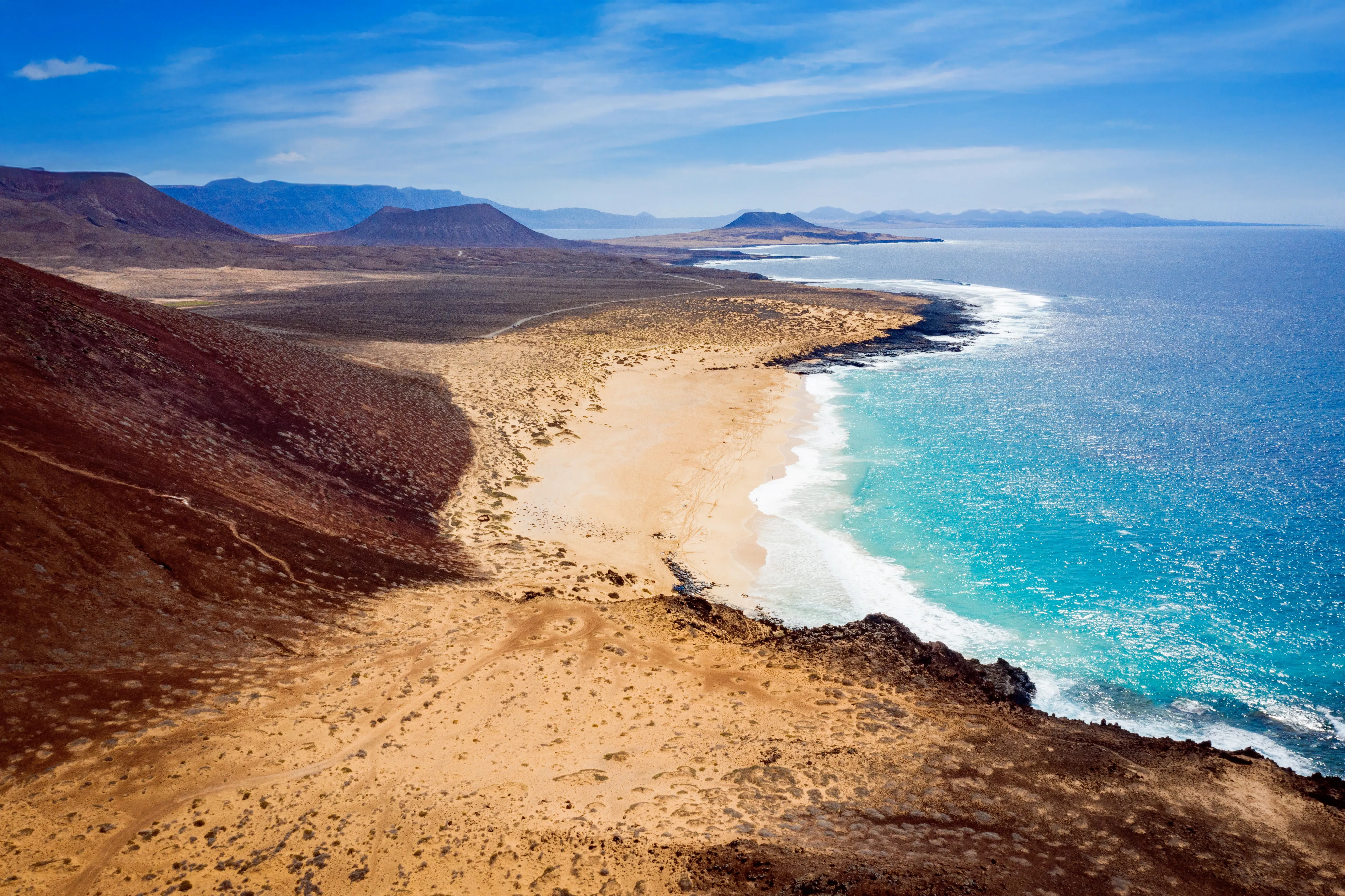
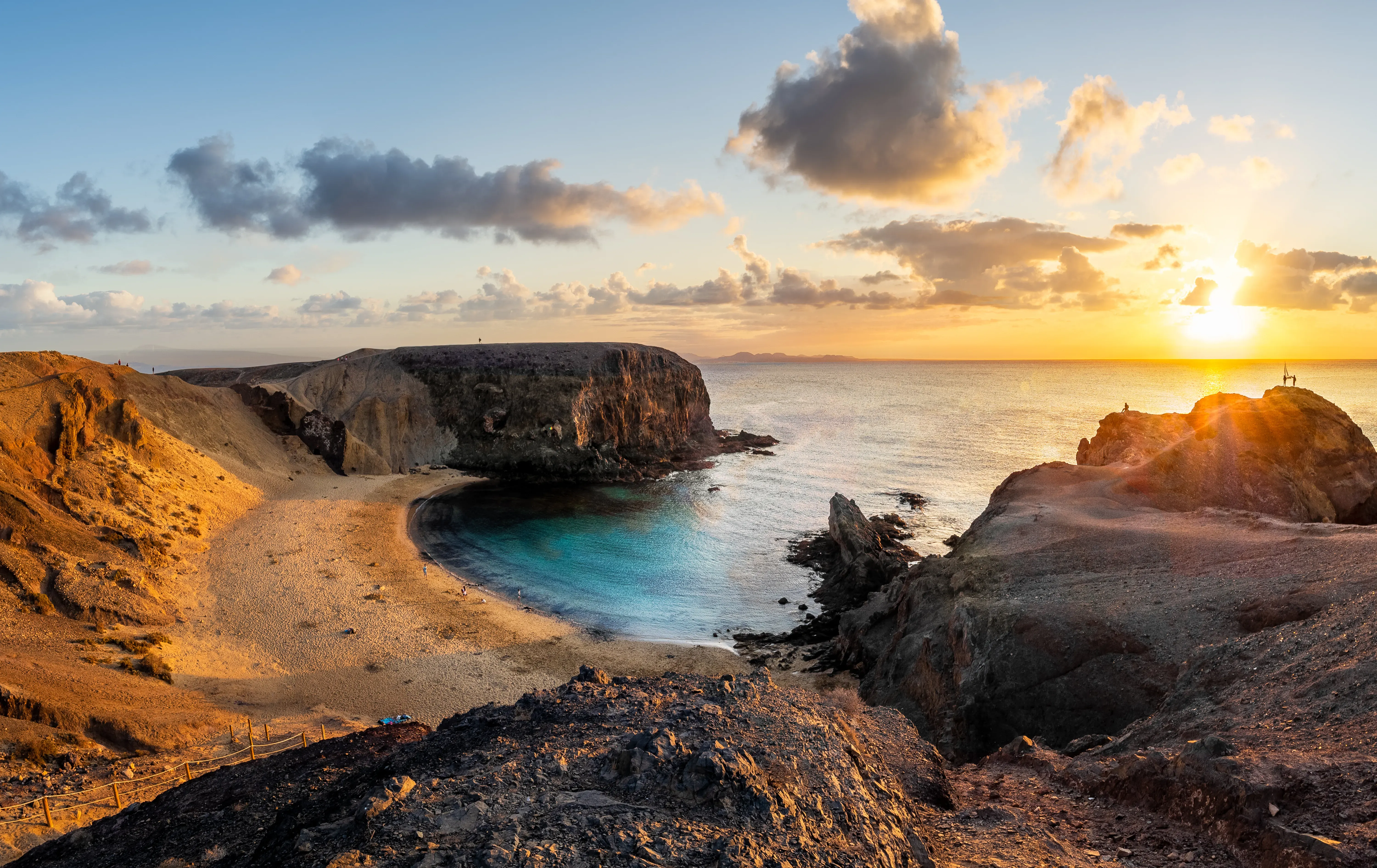
As well as being a UNESCO biosphere reserve, you won’t find many other beach destinations with Lanzarote’s bright stretches of coast and volcanic backdrop. Around 163,000 people call the island home, and the coastline itself stretches almost 140 kilometers (87 miles). The island was formed by massive volcanic eruptions, and you’ll still see traces of its volcanic history across its terrain, like in Los Hervideros and the black sand beaches of El Golfo and Playa del Janubio. Head south, to the Papagayo area, and you’ll find some of the most beautiful beaches in Lanzarote, where golden sand gives way to calm, turquoise waters.
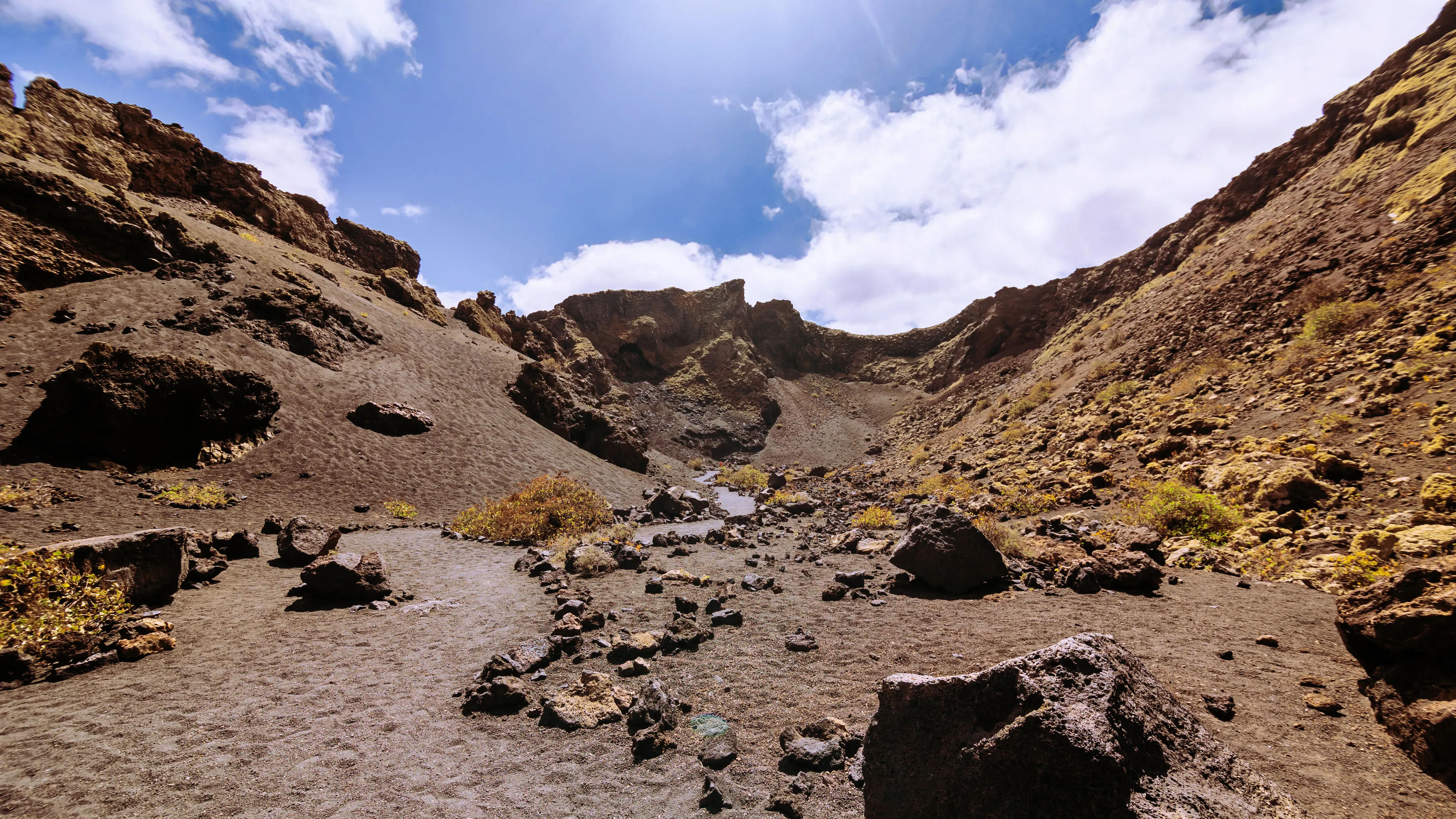
Lanzarote’s mild climate makes it worth visiting in any season, with temperatures usually hovering between 18 and 29 °C (64 and 84 °F) throughout the year and with a welcome ocean breeze from the Atlantic. The best time for a beach vacation in Lanzarote is from spring until fall, when the water is warmer and the weather is perfect for long days by the sea. In winter, you’ll be treated to fewer crowds and still relatively mild temperatures.
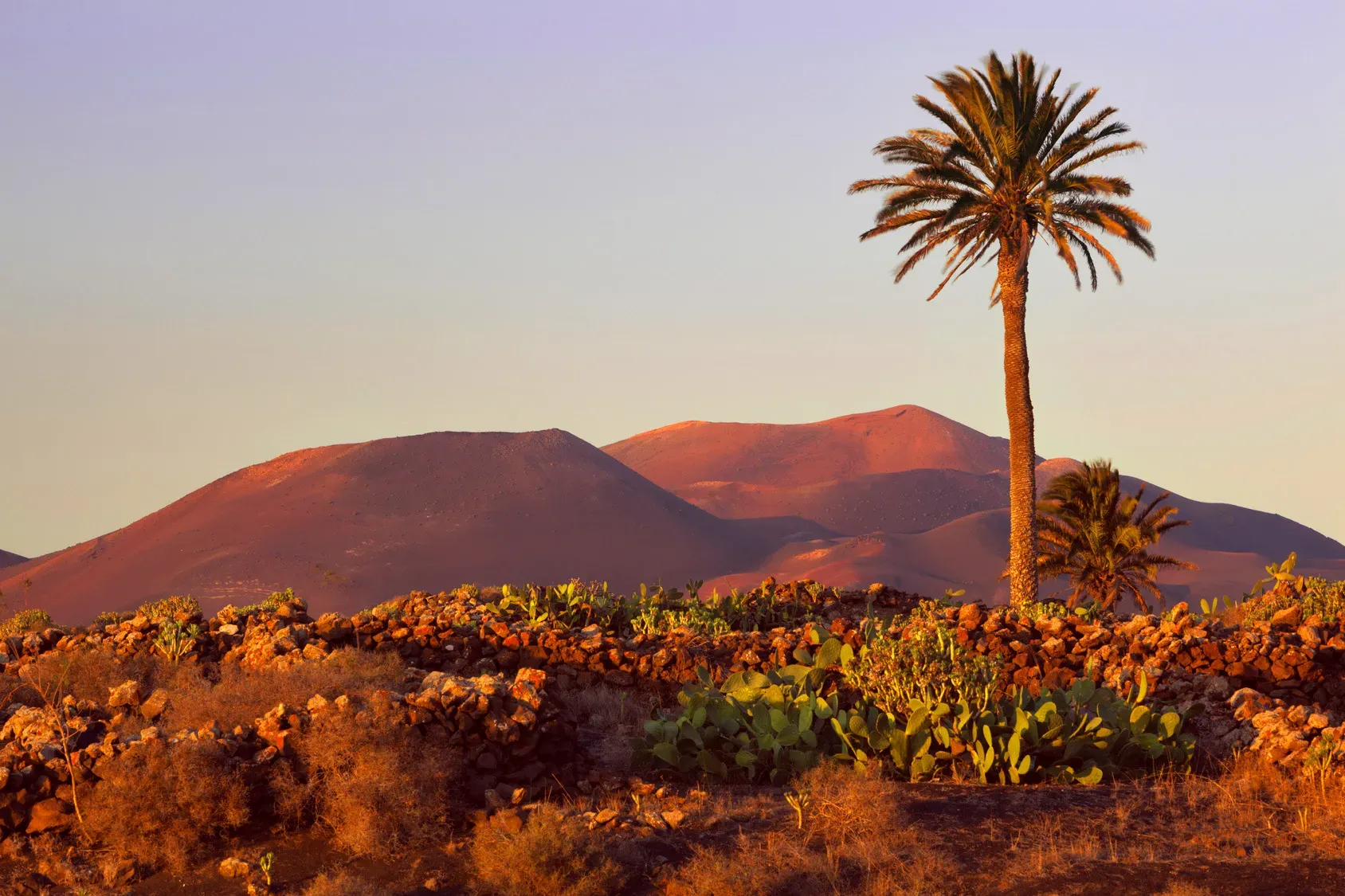
Culturally, Lanzarote has strong ties to the artist César Manrique, whose work and design ethos has had a strong impact on the island’s visual landscape. The architecture of many towns, like Teguise, Yaiza and Haría, blends seamlessly into the landscape, with their white houses, green shutters and low-rise buildings. By the coast, you’ll see lava stone walls and salt flats and pass through sleepy fishing villages that reflect the island’s maritime heritage. Away from the tourist areas, you’ll find plenty of quiet beaches to enjoy as well.
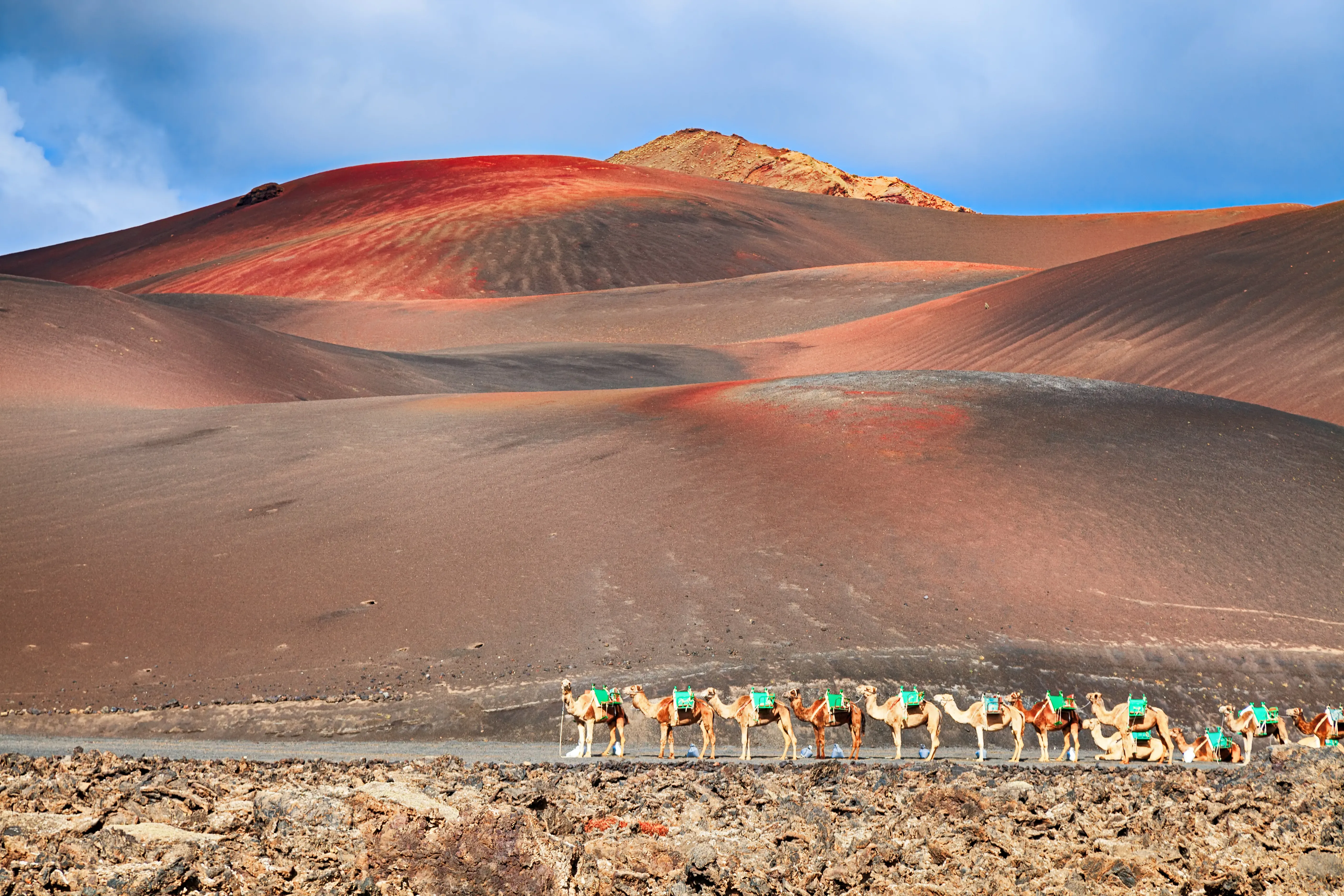
If you like to keep active while on vacation, Lanzarote is a great place to hike volcanoes. Head to Timanfaya National Park or Montaña Colorada or hike along the coastal route from Órzola to Caletón Blanco to see the island’s mixture of volcanic landscapes and coastal formations up close. On calmer days, try your hand at stand-up paddle-boarding, go for a dip in one of the island’s sheltered coves or spend an afternoon snorkeling Lanzarote’s rocky shores, which are teeming with underwater life.
The best beaches in Lanzarote
How to make the most of your Lanzarote beach vacation
A little planning goes a long way toward getting the most out of your time on the island. Most beaches in Lanzarote are easy to get to by car, but it’s still worth allowing yourself enough time to get there each day. Some of the island’s more remote coves and stretches of wild coastline are away from the main roads, so you can only access them via unpaved roads or short walking paths. Renting a car gives you the most flexibility and you’ll find plenty of providers at Arrecife Airport or in the main tourist areas. There are a good number of places to rent bikes from there too, perfect for exploring the promenades and nearby coast at your own pace.
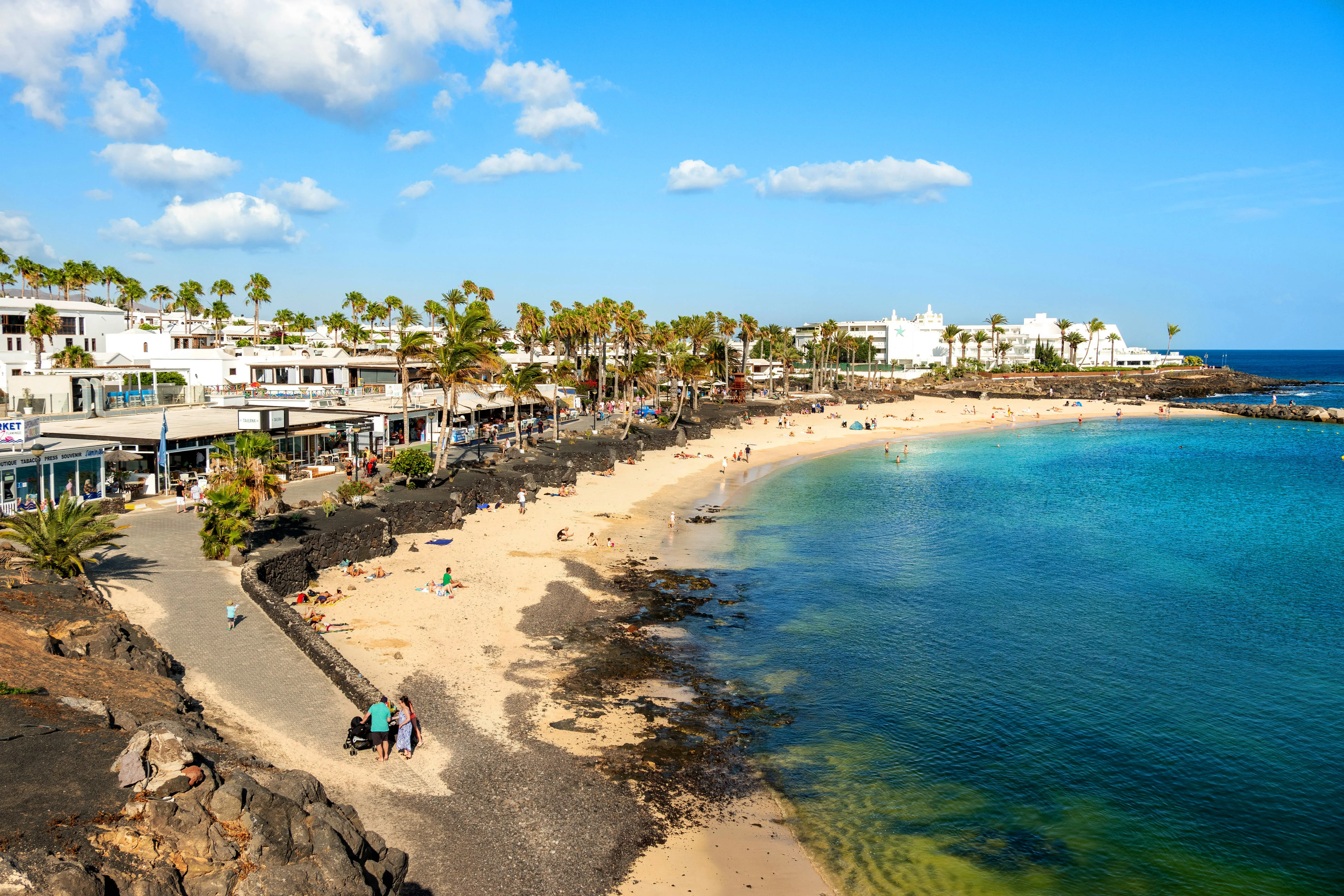
Pack plenty of sunscreen, bottled water and towels for a day at the beach. While the resort areas of Costa Teguise and Playa Blanca have a good selection of bars, restaurants and supermarkets, remote stretches of the coast often have no infrastructure at all. So take a small supply of snacks and drinks with you when heading out to more remote coastal areas. You’ll find sun loungers and umbrellas available to rent at many of the island’s larger beaches.
Keep in mind that Lanzarote can get windier than other islands in the Canaries, though winds do vary depending on which part of the island you’re in. Having a steady breeze keeps the heat much more manageable, but just be aware it tends to blow stronger at the coast than inland. A lightweight beach tent or a wind-resistant umbrella is great to have on particularly windy days.
Be sure to take sturdy footwear with you for short walks over lava rock, along the island’s coastal paths or if you encounter uneven terrain. Some beaches are accessed via dark lava slabs that can become slippery when wet with seawater. Many coastal areas are also located in natural reserves, so stay on marked paths and don’t enter areas with protected wildlife or vegetation, like nesting sites.
Be sure to sample Lanzarote’s varied cuisine, ranging from local fish to vegetables grown in volcanic soil. Try some of the island’s local dishes, like papas arrugadas (which means “wrinkled potatoes” as the potatoes are cooked in heavily salted water) and mojo verde, a herb sauce made with cilantro, garlic, and olive oil. It’s best to buy bottled water on the island, though many accommodations also let you refill your own bottles.
Hotels, larger restaurants and supermarkets take all major credit and debit cards, while smaller beach bars or local providers may often only accept cash. You’ll find plenty of ATMs in many of the larger towns on the island.
Book your beach vacation in Lanzarote now on discover-airlines.com and prepare to be blown away by the island’s scenery.
January


Avg. Temperature:
14°C/21°C

Rainy days per month:
10-40
February
Avg. Temperature:
15°C/21°C
Rainy days per month:
5-30
March
Avg. Temperature:
15°C/23°C
Rainy days per month:
0-15
April

Avg. Temperature:
16°C/23°C
Rainy days per month:
0-10
May
Avg. Temperature:
17°C/25°C
Rainy days per month:
0-5
June
Avg. Temperature:
19°C/26°C
Rainy days per month:
0-2
July
Avg. Temperature:
21°C/28°C
Rainy days per month:
0-1
August
Avg. Temperature:
21°C/29°C
Rainy days per month:
0-2
September
Avg. Temperature:
21°C/28°C
Rainy days per month:
0-5
October
Avg. Temperature:
20°C/27°C
Rainy days per month:
0-10
November
Avg. Temperature:
17°C/24°C
Rainy days per month:
5-25
December
Avg. Temperature:
16°C/22°C
Rainy days per month:
10-35