

Recent searches
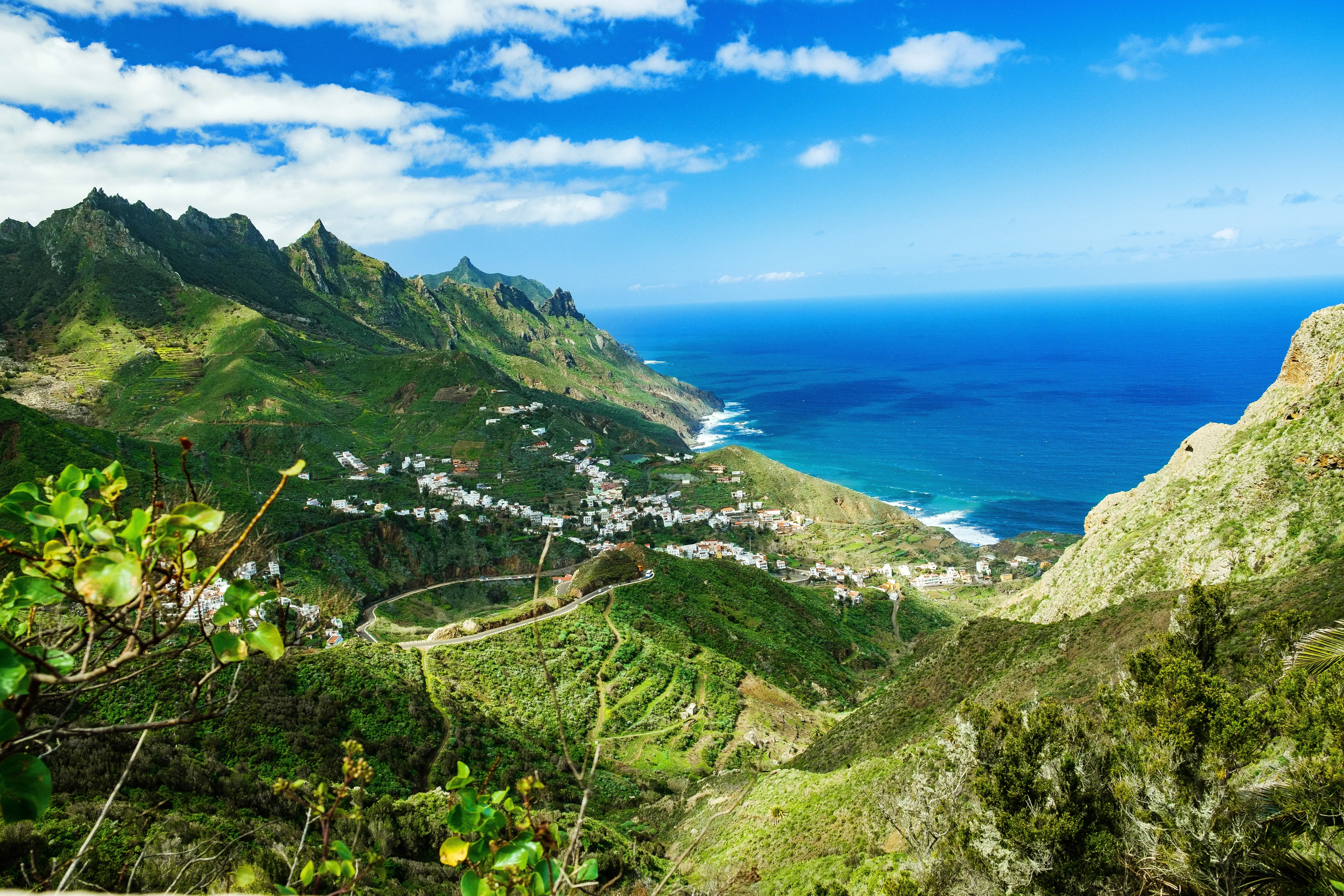


Experience volcanoes in Tenerife up close
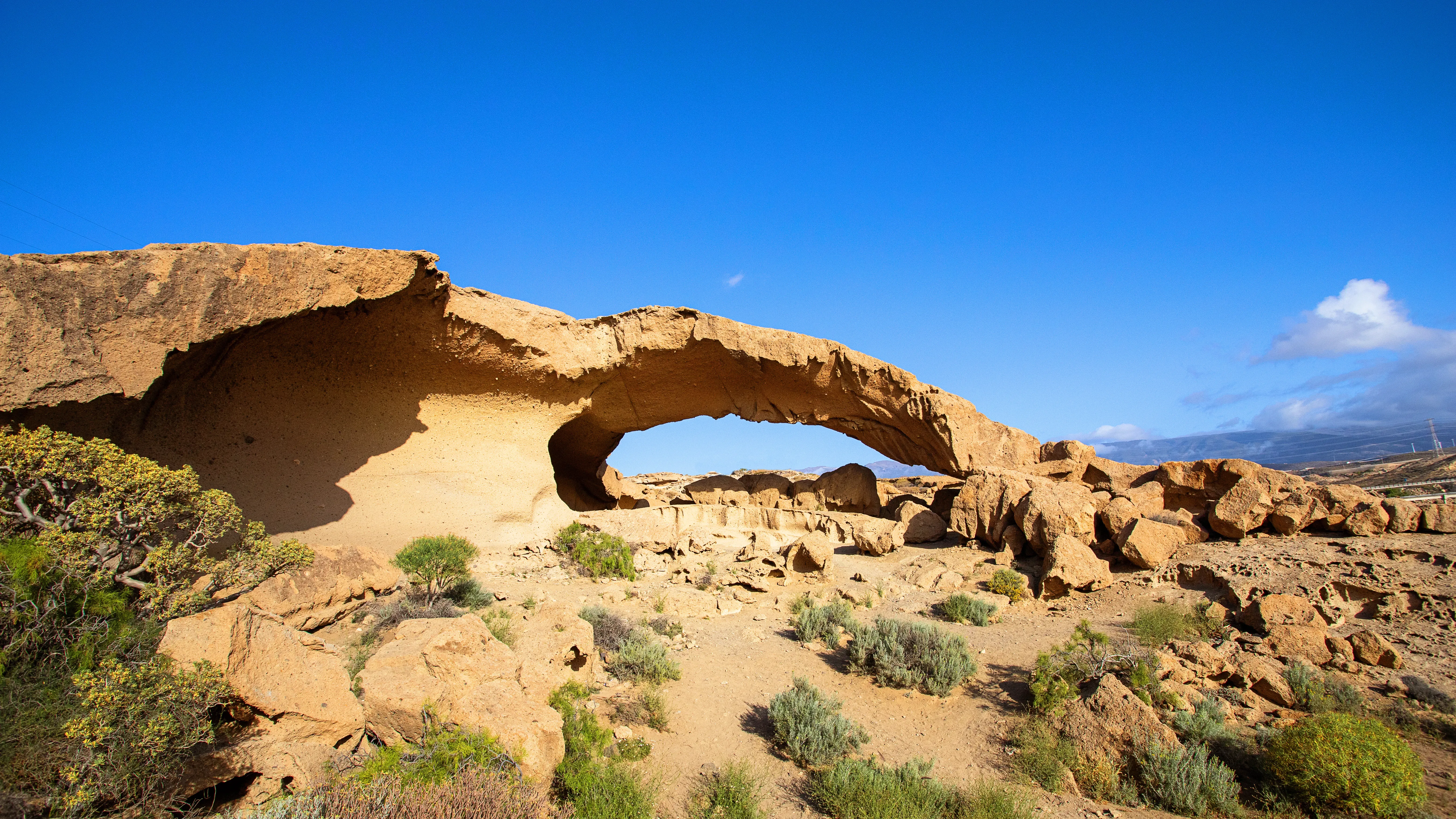
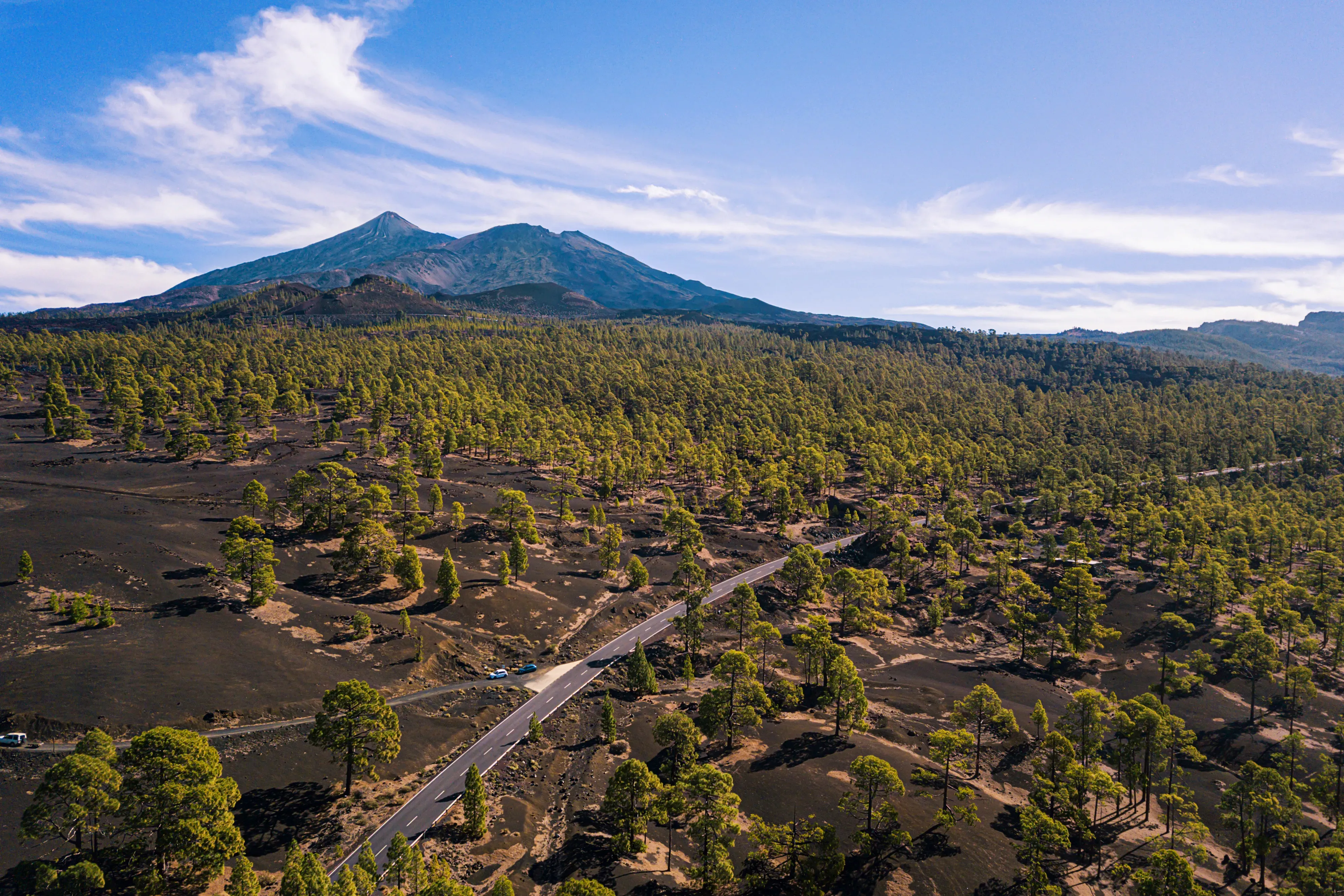
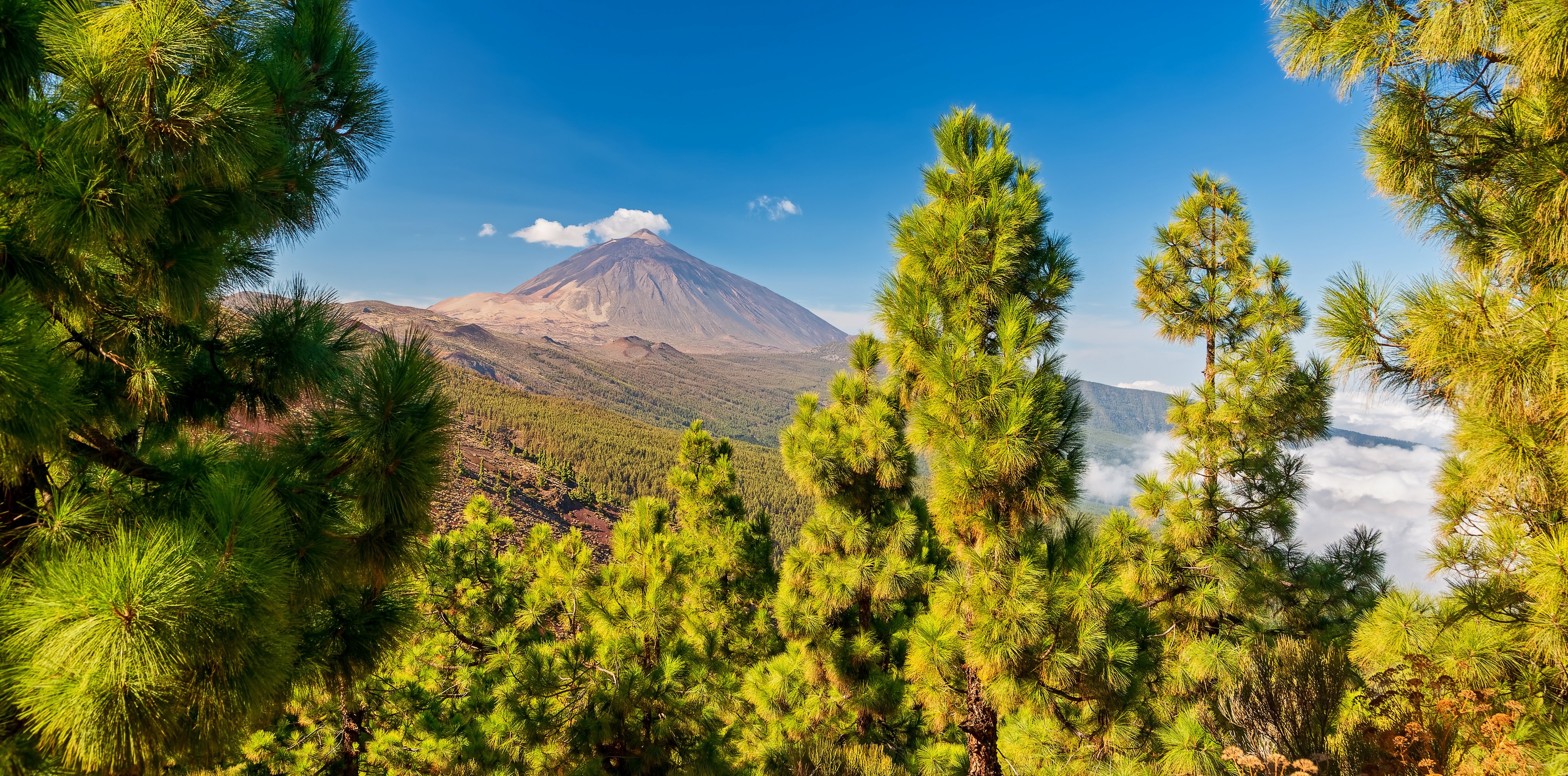
Hiking on Tenerife’s volcanoes means being surrounded by black craters and rivers of hardened lava, with Mount Teide, Spain’s highest peak, towering above you. It’s a landscape millions of years in the making, and one of the island’s most striking. No matter which trail you choose, the views are spectacular and the scenery shifts with every turn, each one revealing a little more about how the largest of the Canary Islands came to be. Paths here are well maintained, so you can take on Teide National Park at your own pace, whether on foot or by cable car up to the upper station at 3,555 meters (11,663 feet). Climb the marked routes yourself or join a guided tour and watch the sun rise over a landscape that looks more like the moon than anywhere else on Earth.
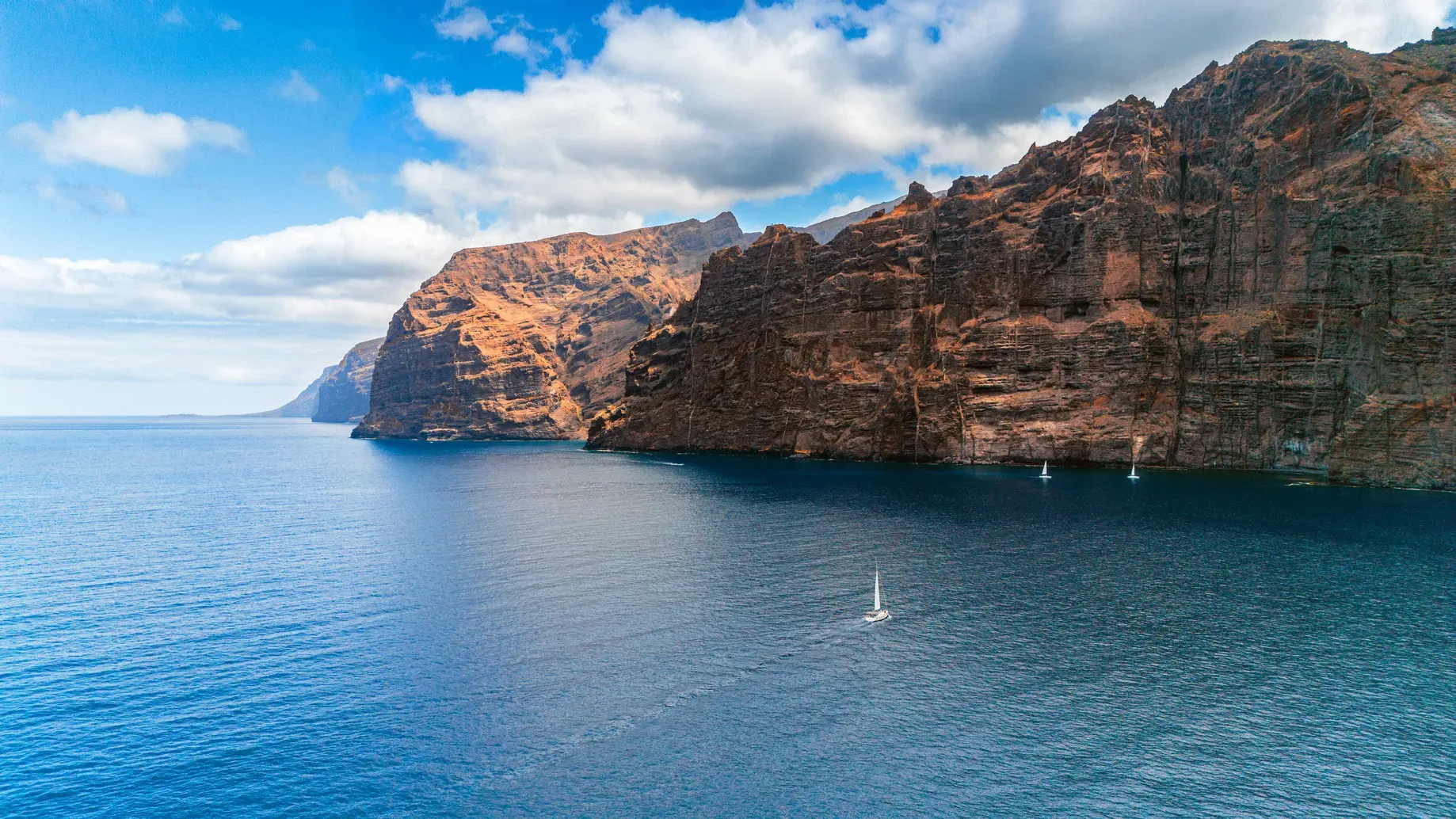
Step away from Teide and there's still plenty to see. At Pico Viejo and the Cañadas del Teide, you'll see the full range of volcanic formations the island has to offer. Push further into Tenerife's lesser-known corners and the trails keep coming: cooled lava fields, volcanic highlands and paths that see far fewer boots than the main routes. This is where the island's geological story really opens up, and where a hiking trip to Tenerife can take you in almost any direction you choose.
Book your flight to Tenerife’s volcanoes today on discover-airlines.com.
What you need to know about Tenerife’s volcanoes
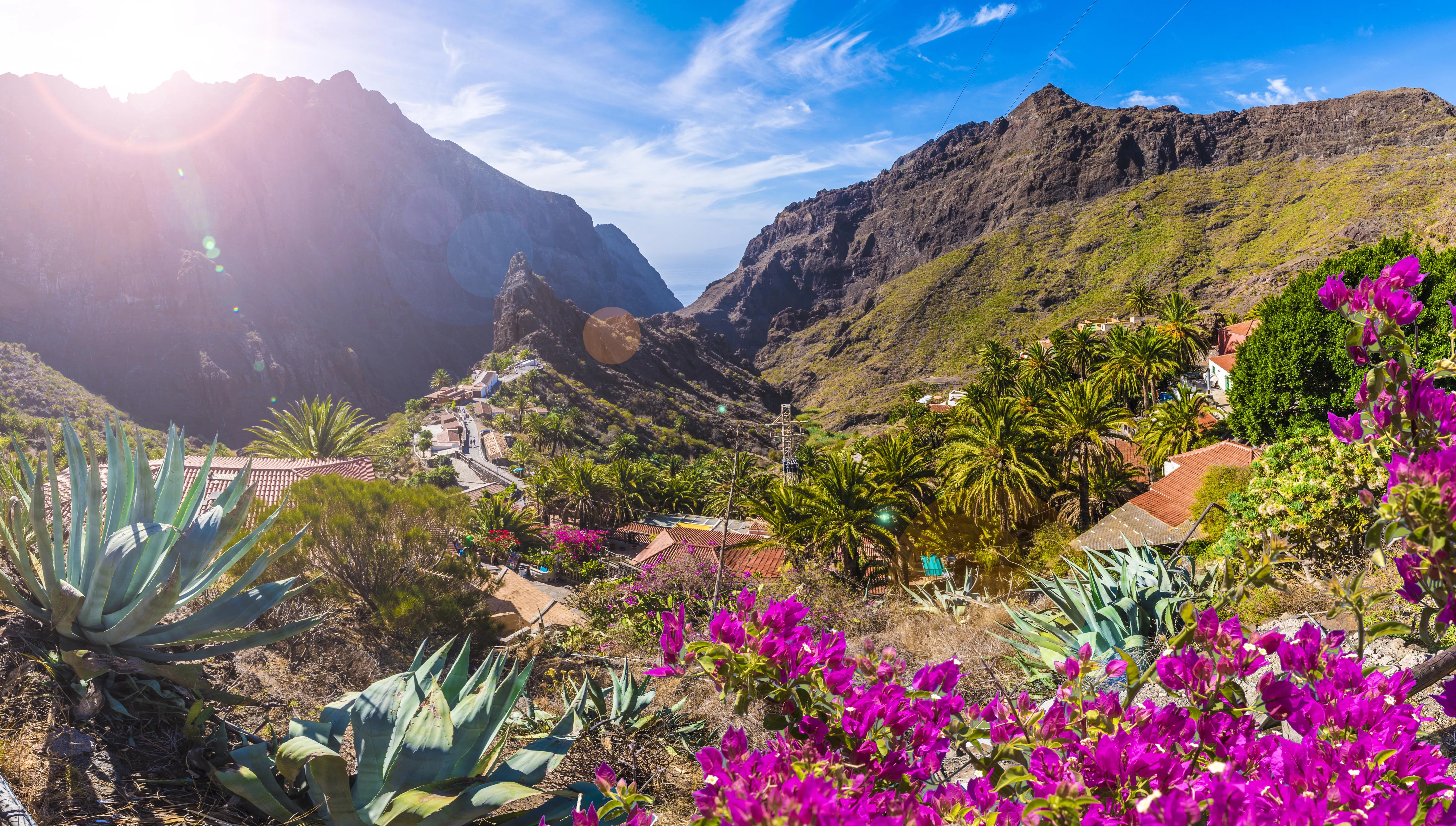
A volcano hike in Tenerife is more than just another vacation activity. Every step here puts you closer to the island's beginnings, when the landscape was still being written by fire. Some twelve million years of eruptions shaped what you're walking on, and nowhere is that more visible than at Mount Teide, one of the world's great stratovolcanoes, which rises 3,700 meters (12,139 feet) above the Atlantic. The national park around it carries UNESCO World Heritage status, offering a spectacular backdrop for anyone climbing or exploring here.
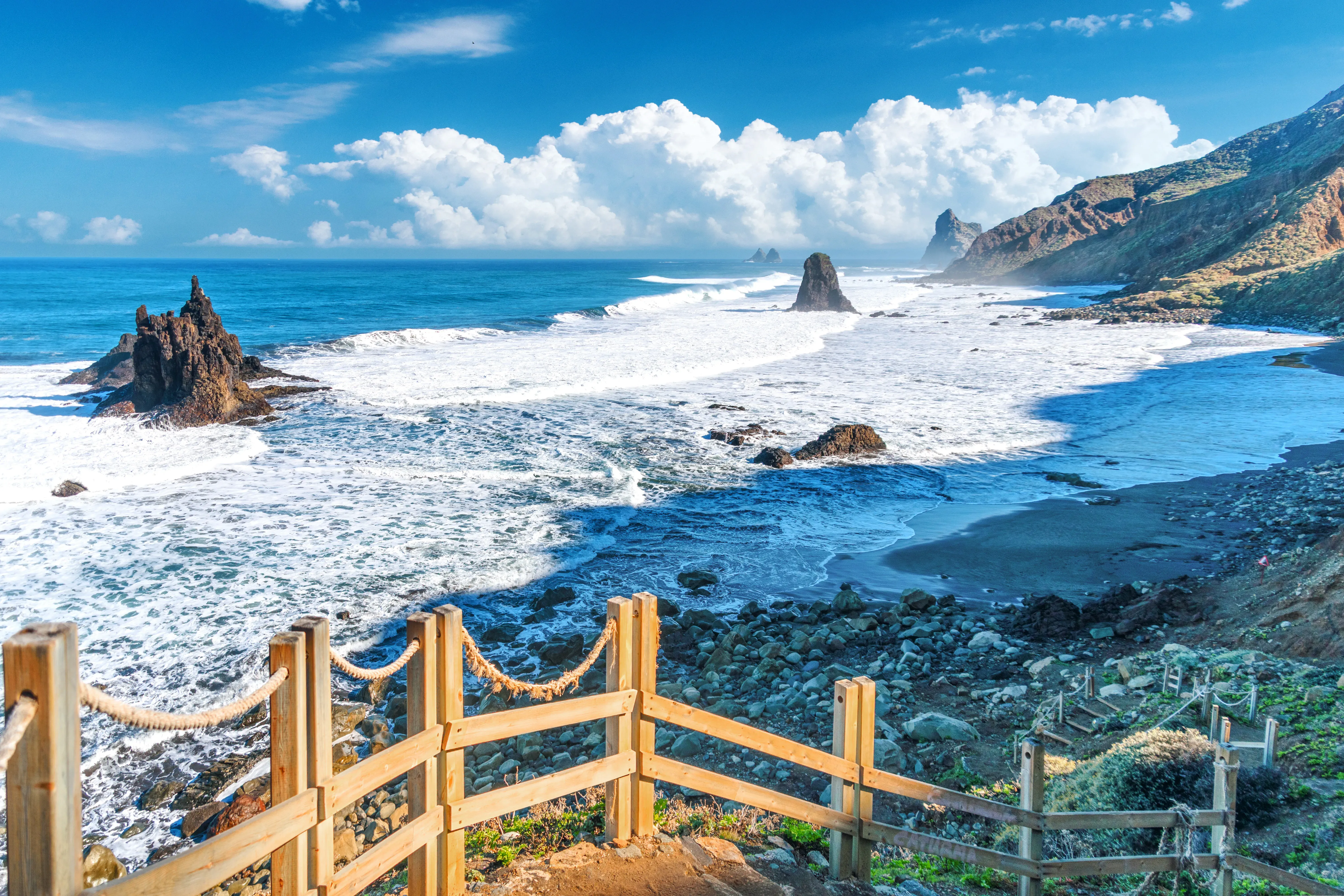
Tenerife’s volcanic origins have given the island its extraordinary landscape: rugged craters, fossilized lava flows and colorful rock formations make you feel like you’re on another planet. Follow the trails long enough and nature gives way to history: lava caves where the Guanches, the island's Indigenous people, once made their homes. Along the way, information boards fill in the fascinating history and geology behind what you're seeing.
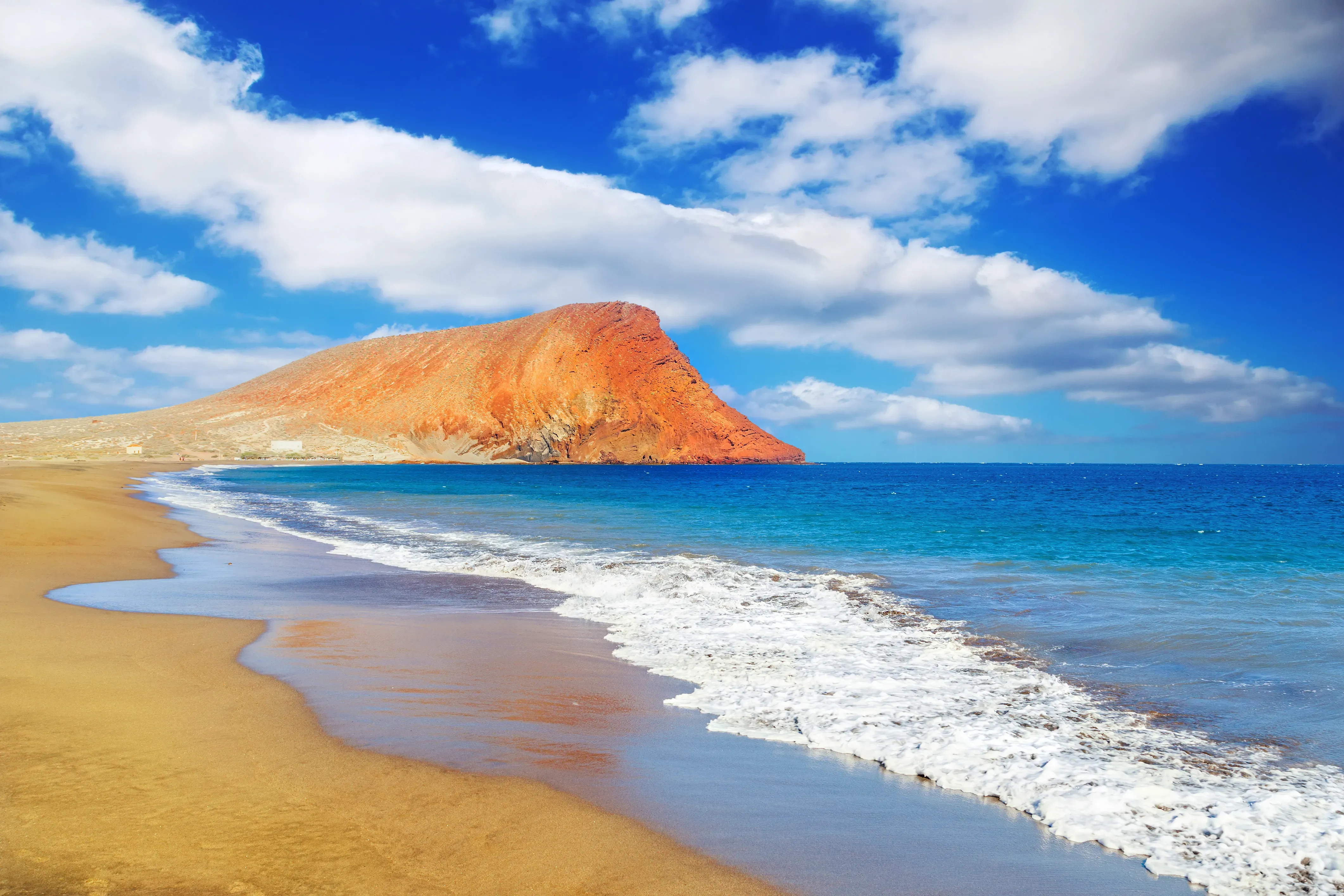
Tenerife’s climate is mild year-round, which is why it’s known as the “Island of Eternal Spring.” Even in winter, daytime temperatures usually hover between 18 and 22 °C (64–72 °F), while summer brings pleasant warmth rather than oppressive heat, making it ideal for a beach or surfing vacation too. The best time for a volcano hike in Tenerife runs between March and October, when clear skies and good weather make for the best views. But the trails don't close for winter. Head for the coast or the lower slopes, where hiking is possible all year round.
These volcanoes in Tenerife are yours to explore
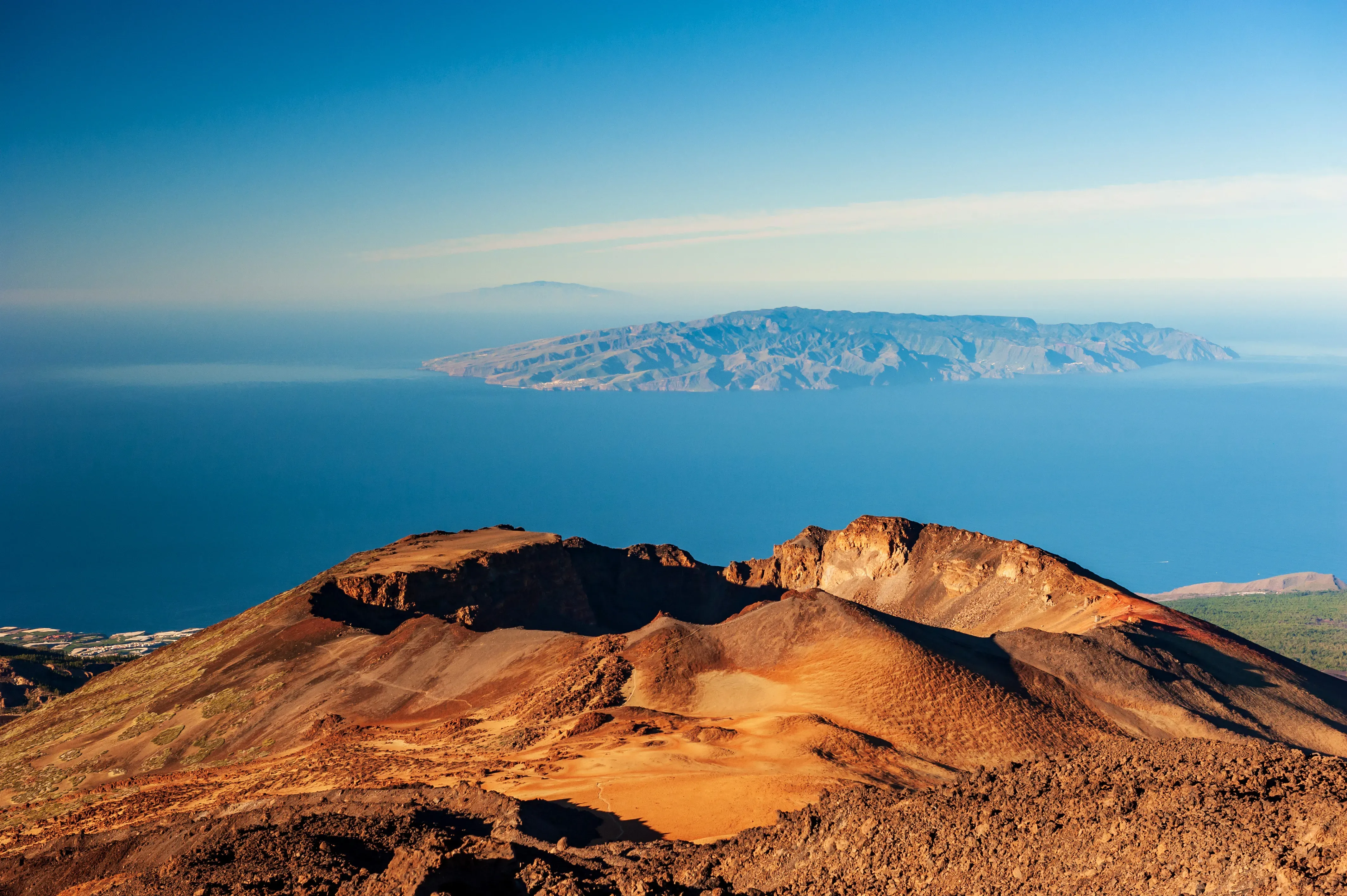
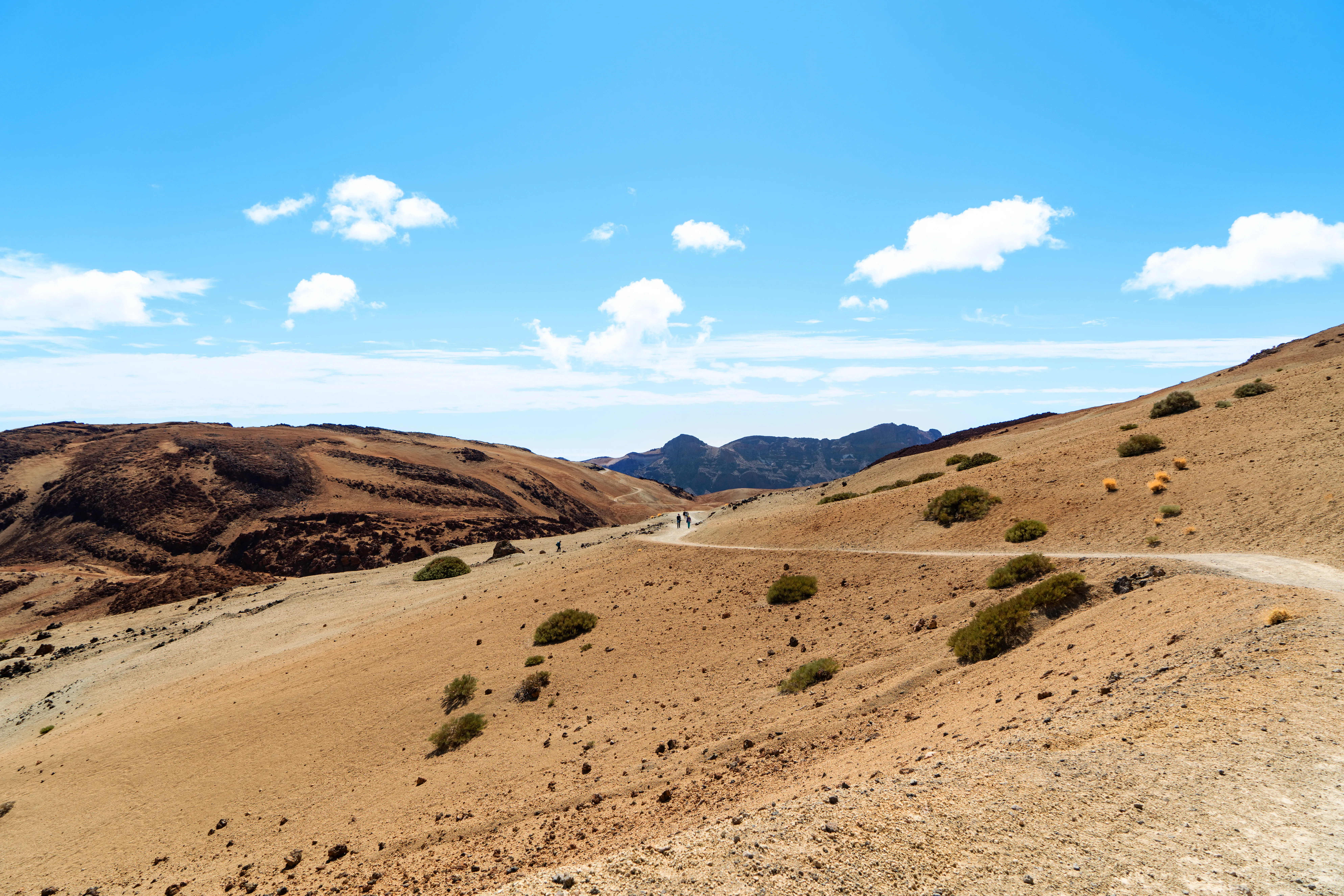
How to prepare for your volcano hike in Tenerife
The key to planning a volcano hike in Tenerife is to pack for more than one climate. Down on the coast, the air stays mild, but altitude changes everything. Even in summer, the air starts getting cooler once you head up toward Teide, so bring a windbreaker along with sturdy shoes and sun protection. There's nowhere to buy food or water along the trails, so take more than you think you'll need.
Reaching Teide's summit takes a little planning, but it's worth it. A permit is required for the final push to the highest point in Spain. Daily numbers are capped, so apply online several weeks out. If you'd rather skip the climb, the cable car gets you within reach of the summit in comfort, and plenty of guided tours pick up from there, taking you as far as the viewing platform.
Some of the best trails, like those around Chinyero and Pico Viejo, wander far enough off the beaten path that a GPS app or offline map is worth having on hand, since cell service doesn't reach everywhere. And if you want a more in-depth experience, a guided tour brings the island's geology, flora and history to life in a way that's hard to piece together alone.
Experience the Canary Islands’ most impressive natural wonders up close and book your vacation to Tenerife on discover-airlines.com.
January


Avg. Temperature:
15°C/15°C

Rainy days per month:
10-40
February
Avg. Temperature:
15°C/15°C
Rainy days per month:
10-40
March

Avg. Temperature:
16°C/16°C
Rainy days per month:
10-40
April
Avg. Temperature:
17°C/17°C
Rainy days per month:
5-25
May
Avg. Temperature:
18°C/18°C
Rainy days per month:
10-40
June
Avg. Temperature:
19°C/19°C
Rainy days per month:
0-5
July
Avg. Temperature:
21°C/21°C
Rainy days per month:
0-5
August
Avg. Temperature:
22°C/22°C
Rainy days per month:
0-5
September
Avg. Temperature:
22°C/22°C
Rainy days per month:
5-30
October
Avg. Temperature:
20°C/20°C
Rainy days per month:
10-60
November
Avg. Temperature:
18°C/18°C
Rainy days per month:
20-80
December
Avg. Temperature:
17°C/17°C
Rainy days per month:
10-50