
Recent searches


Scuba diving in the Maldives: Time to discover dreamlike underwater worlds
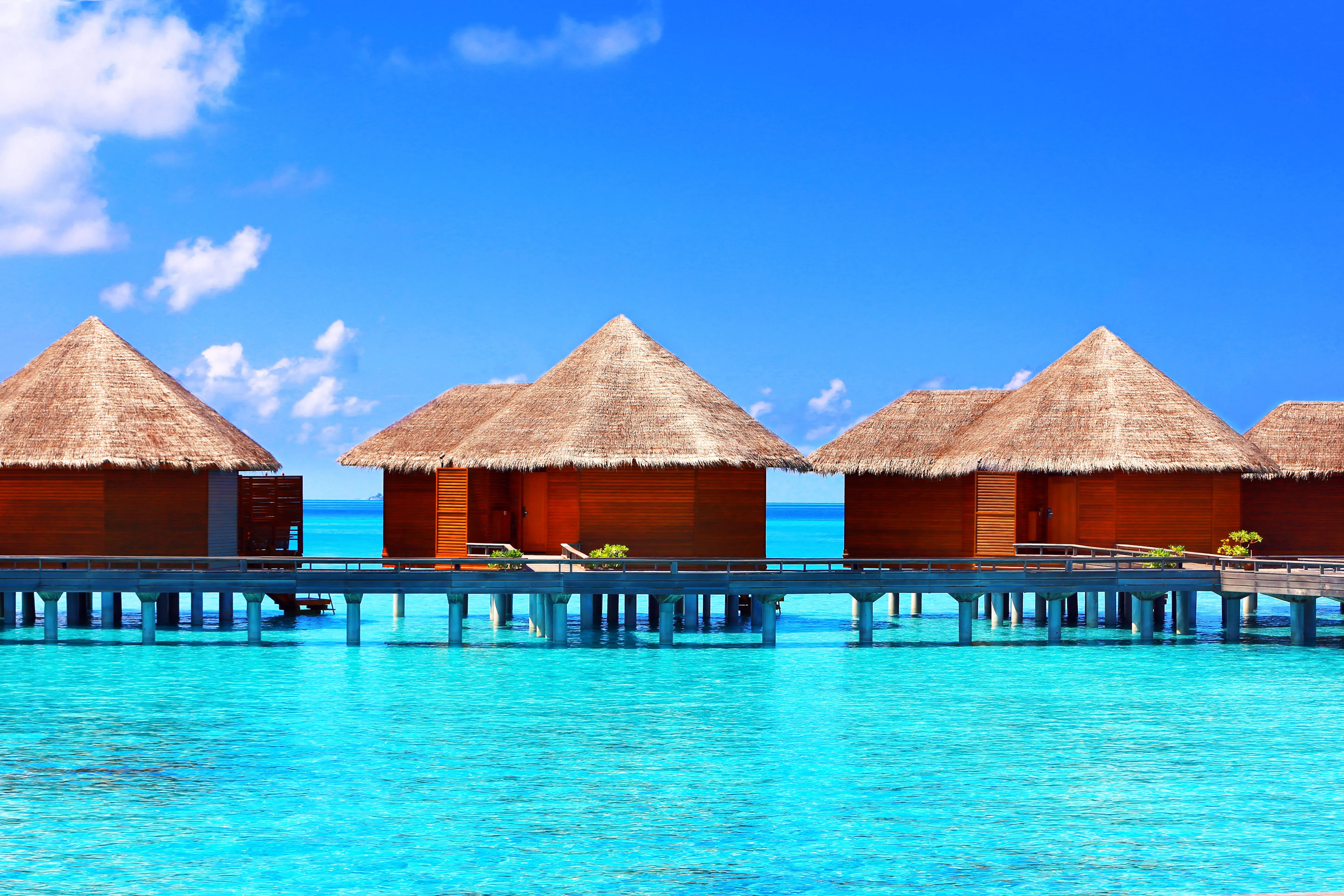
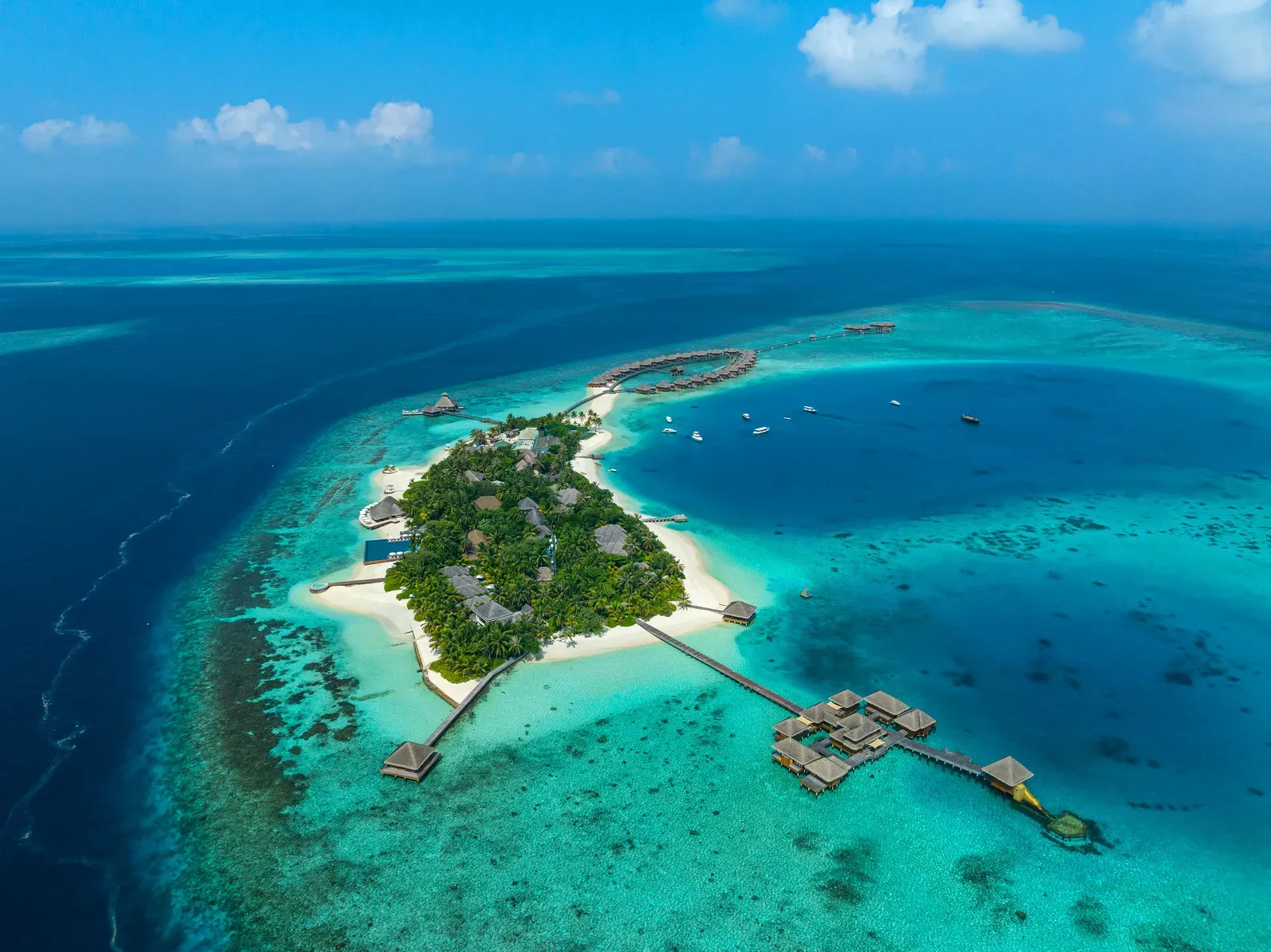
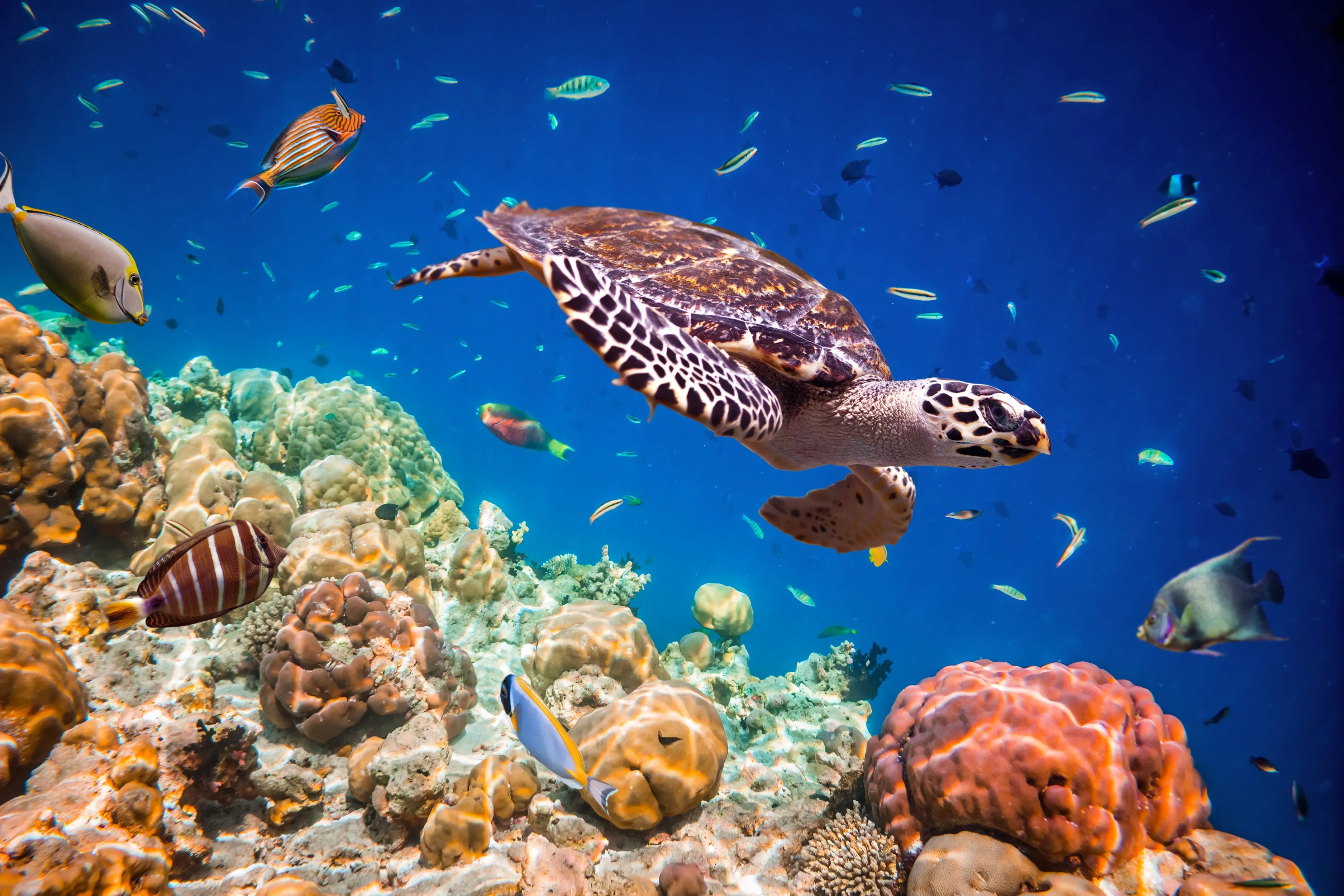
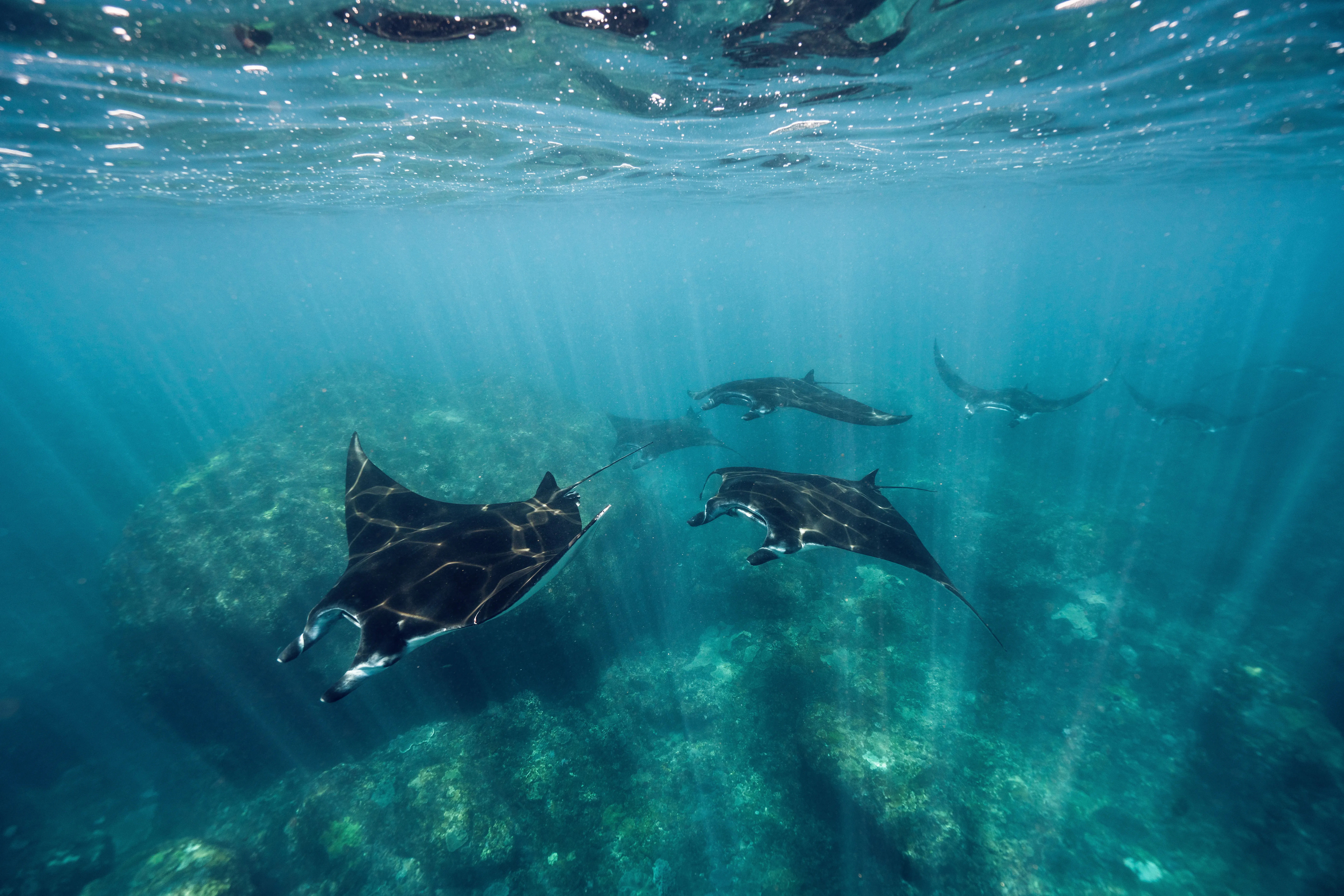
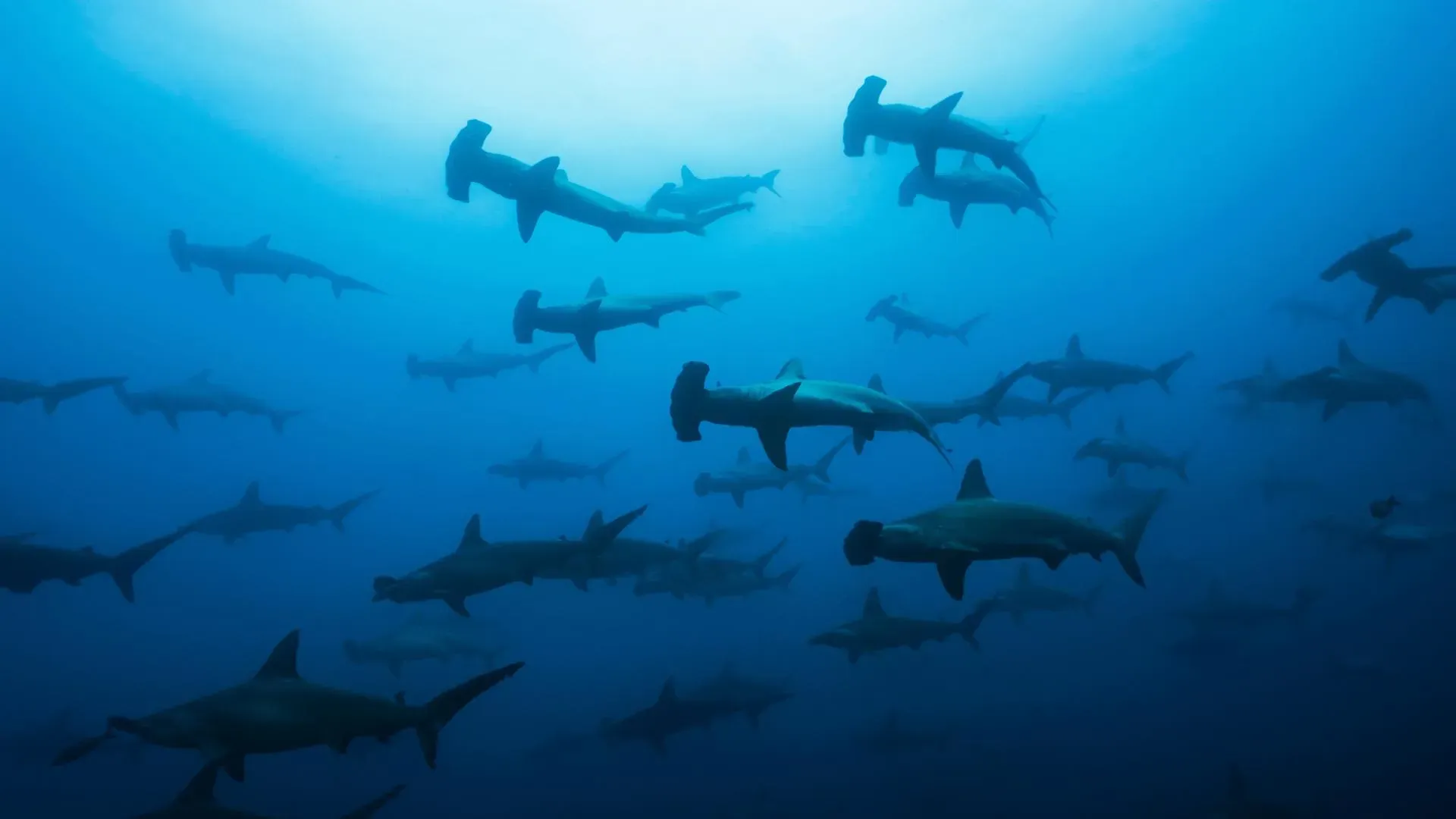
Slip beneath the surface in the Maldives and you'll understand why so few places in the world compare. Whether you go scuba diving or snorkeling, this island paradise in the Indian Ocean is a pure delight, with crystal-clear water, coral reefs bursting with color and exceptional biodiversity at every turn. Drift alongside sea turtles, glide past manta rays and if you're lucky, share the water with a whale shark. Shark diving in the Maldives is also a true highlight for experienced divers.
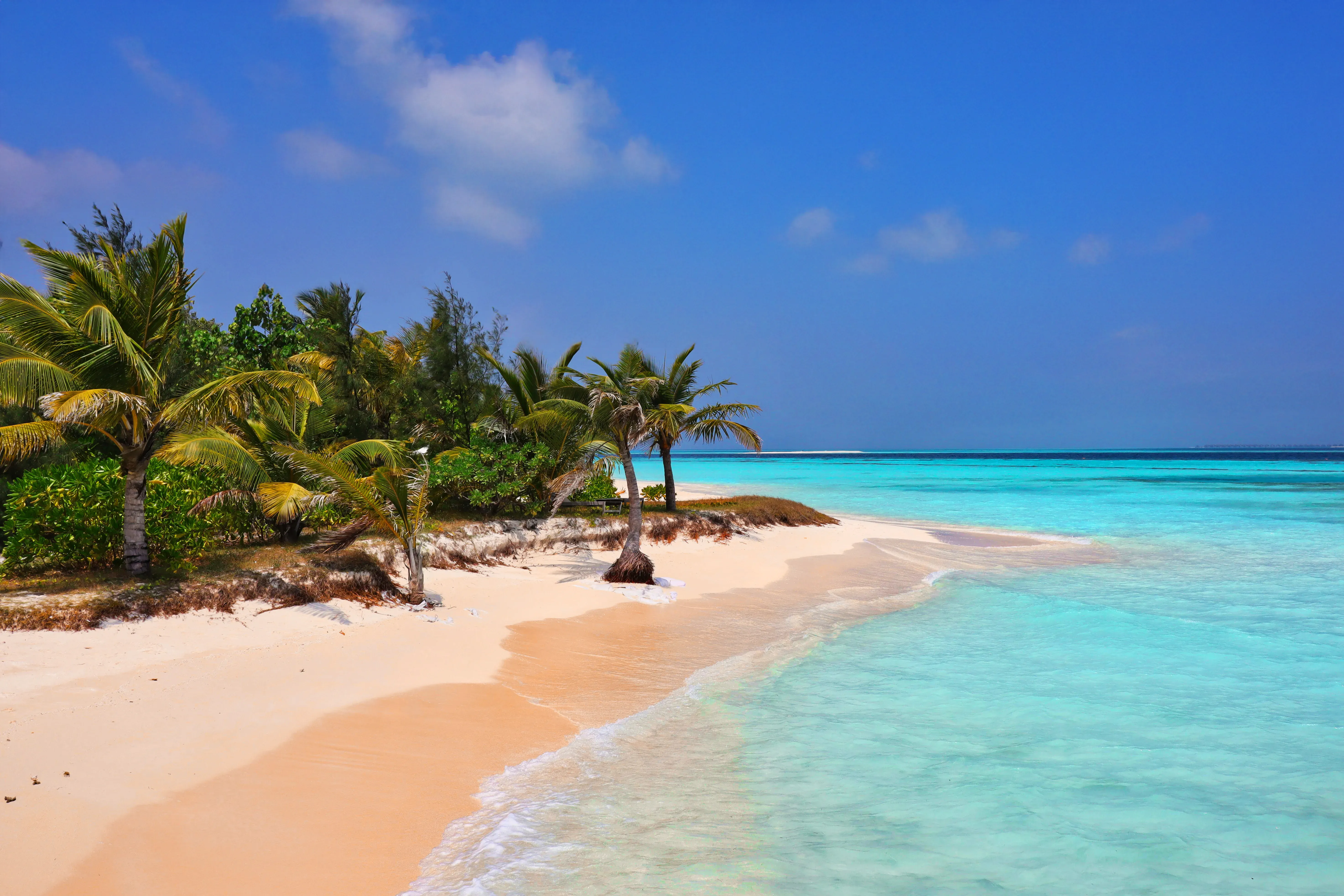
Whether it's your first dive or you're already certified, you'll find resorts and dive schools across the islands ready to get you in the water. If you'd rather not venture too deep, you can still enjoy unforgettable moments snorkeling in the Maldives. Between the tropical climate, dream beaches and breathtaking reefs, it's easy to see why the Maldives is an ideal destination for ocean lovers.
Book your Maldives diving trip with Discover Airlines and get ready for unforgettable experience under water!
What you need to know about scuba diving in the Maldives
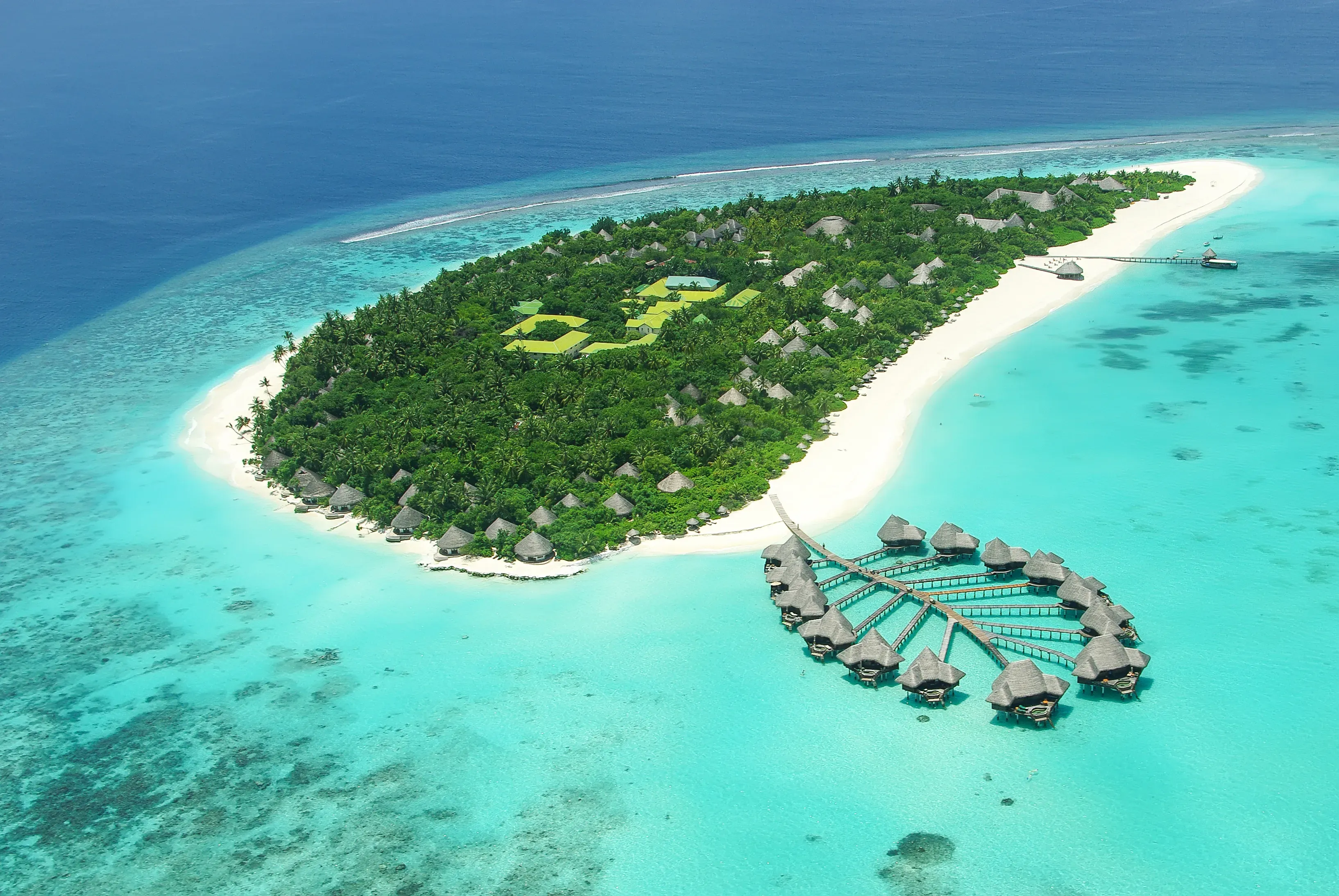
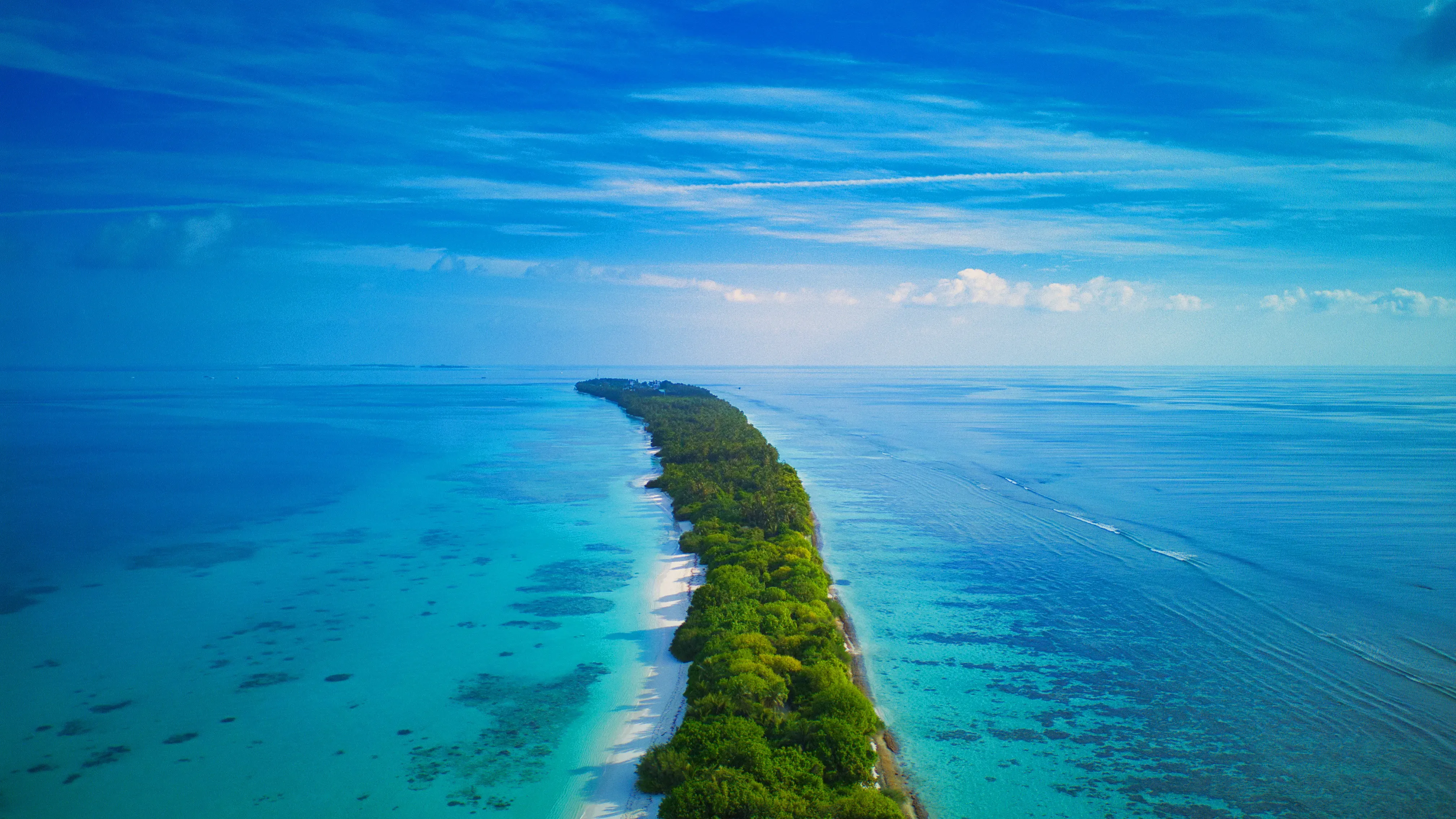
The Maldives are a diver’s paradise, and it's easy to see why. Dive in and you're met with visibility stretching up to 40 meters (130 feet), water so warm it's a joy to linger in at 27 to 30 °C (81 to 86 °F) and some of the most spectacular reefs on the planet. The Maldives is made up of around 1,200 islands scattered across 26 atolls, and hopping between them opens up a whole string of dive sites, many just steps from your resort. Seek out the “kandus,” Maldivian channels known for strong currents that draw in large schools of fish, reef sharks and rays. It’s a sight few divers will ever forget.
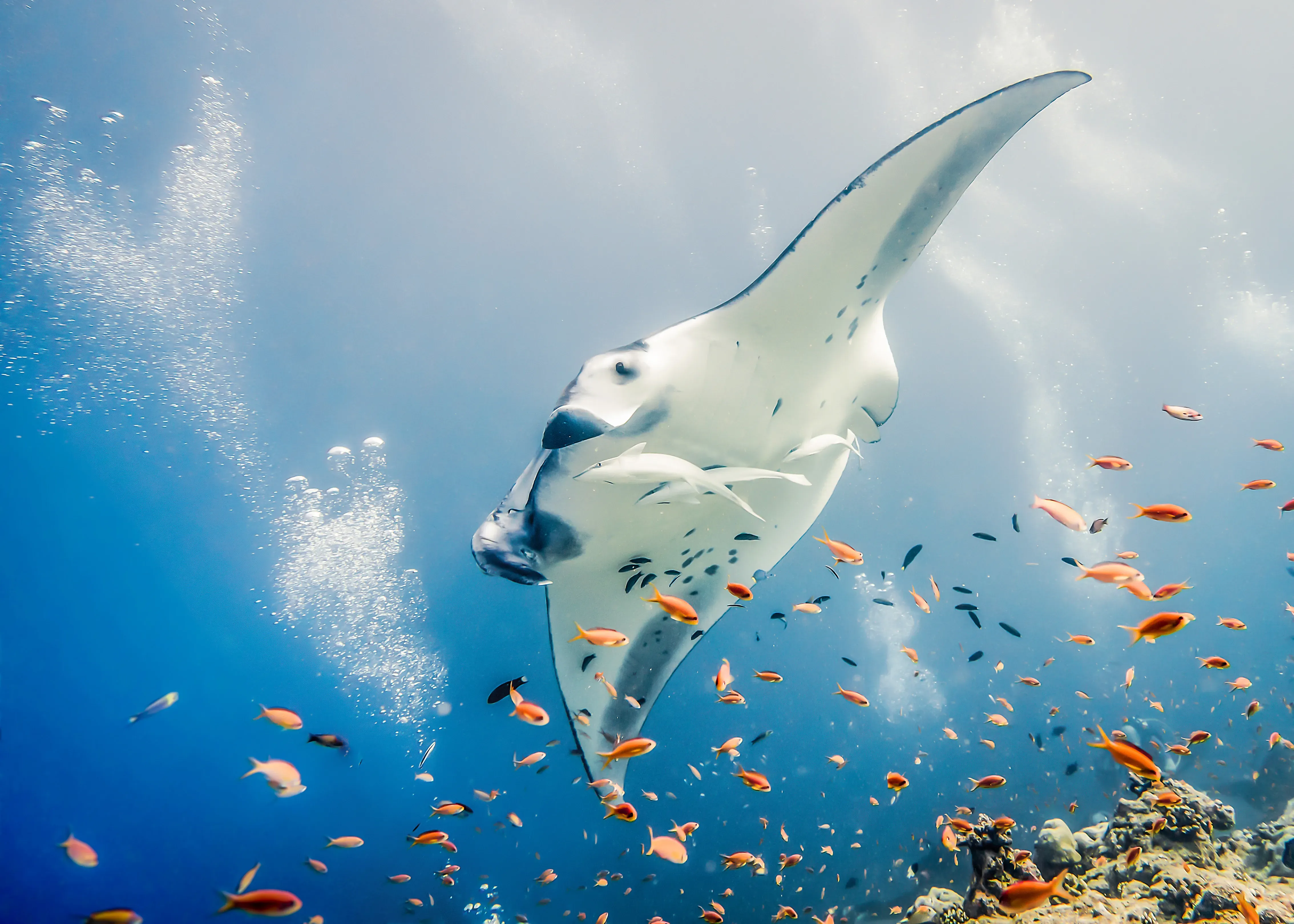
Every dive site in the Maldives has its own personality, from relaxed lagoon dives to dramatic walls and wreck dives that are just waiting to be explored. Encounters with manta rays are a real highlight, and shark diving is possible year-round for those chasing that thrill. For a taste of it all, join a diving safari and hit several dive spots across different atolls in a single day. If you prefer to stay closer to the surface, snorkeling in the Maldives is just as rewarding, with house reefs at many resorts accessible right from the beach, perfect for exploring without scuba gear.

So when is the best time to dive in the Maldives? The islands have a tropical climate with two main seasons. If you're chasing calm seas, crystal-clear visibility and ideal currents for spotting big marine life, plan your trip for the dry season, known as "Iruvai," which runs from November to April. This period is widely considered the best time to dive in the Maldives.
That said, diving doesn't stop when the rains arrive. The wet season, from May to October, actually brings more frequent encounters with manta rays and whale sharks. However you time it, a Maldives diving vacation promises a truly unforgettable experience all year round.
Scuba diving in the Maldives: The diving spots not to be missed
What’s worth knowing before a diving trip to the Maldives
A little planning goes a long way for before a Maldives diving trip. Since the more than 1,000 islands are scattered across the Indian Ocean, you'll usually get from Malé International Airport to your resort by domestic flight or speedboat, and many resorts will arrange this for you. Want to fit in as many dive sites as possible? Consider a diving safari aboard a liveaboard, taking you across several atolls over the course of a week.
The local currency is the rufiyaa (MVR), though U.S. dollars are also widely accepted at hotels and dive shops. Cards are fine almost everywhere, so you really only need cash on smaller islands or for tips. Dhivehi is the official language, but you won't have any trouble getting by in English at resorts and dive schools.
Before you go, it's worth giving some thought to the gear you’ll use. Dive centers usually rent out good quality equipment, but if you dive often, you'll probably want to take your own mask, snorkel and dive computer with you. Just remember that you'll typically need an internationally recognized certification, like PADI or SSI, plus a current dive medical certificate, if you're planning to dive on your own.
Picking the right island is just as important as picking the best dive sites. If just a mask and a pair of fins is more your thing, look for the best island for snorkeling in the Maldives. Plenty of resorts also have local reefs that are just steps from the beach. Divers after variety should look at Ari or Vaavu Atoll, as both are packed with enough dive spots to keep you busy all week.
Start planning your Maldives diving trip with Discover Airlines and get ready a adventure filled with manta rays, vibrant reefs and turquoise waters.
January


Avg. Temperature:
25°C/25°C

Rainy days per month:
20-70
February
Avg. Temperature:
25°C/25°C
Rainy days per month:
20-50
March
Avg. Temperature:
26°C/26°C
Rainy days per month:
30-60
April
Avg. Temperature:
26°C/26°C
Rainy days per month:
50-120
May

Avg. Temperature:
26°C/26°C
Rainy days per month:
150-350
June
Avg. Temperature:
26°C/26°C
Rainy days per month:
150-300
July
Avg. Temperature:
25°C/25°C
Rainy days per month:
150-300
August
Avg. Temperature:
25°C/25°C
Rainy days per month:
150-350
September
Avg. Temperature:
25°C/25°C
Rainy days per month:
150-400
October

Avg. Temperature:
25°C/25°C
Rainy days per month:
120-350
November
Avg. Temperature:
25°C/25°C
Rainy days per month:
80-250
December
Avg. Temperature:
25°C/25°C
Rainy days per month:
50-120