

Recent searches


The best things to do in Crete: From ancient palaces to Byzantine monasteries
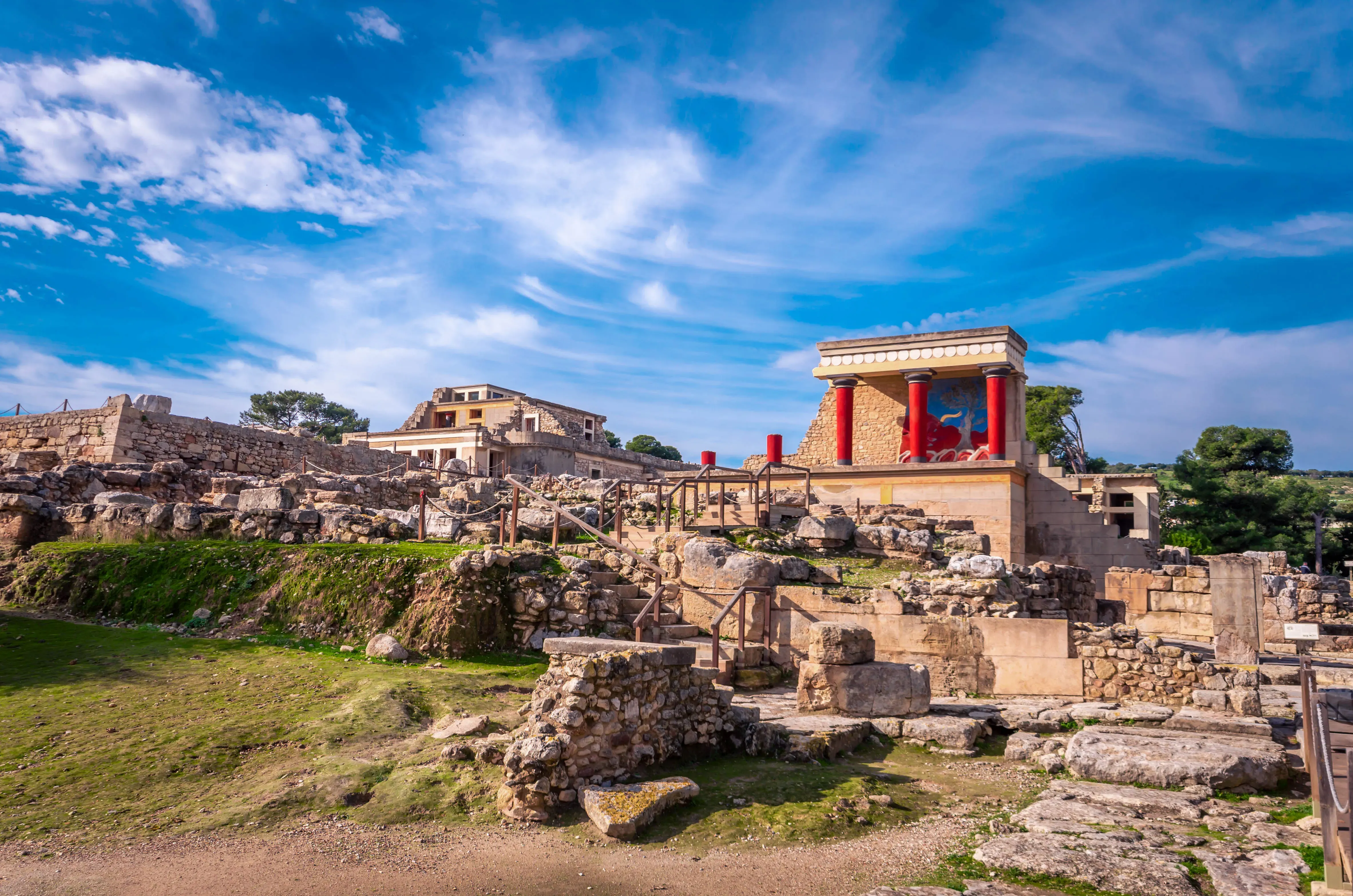
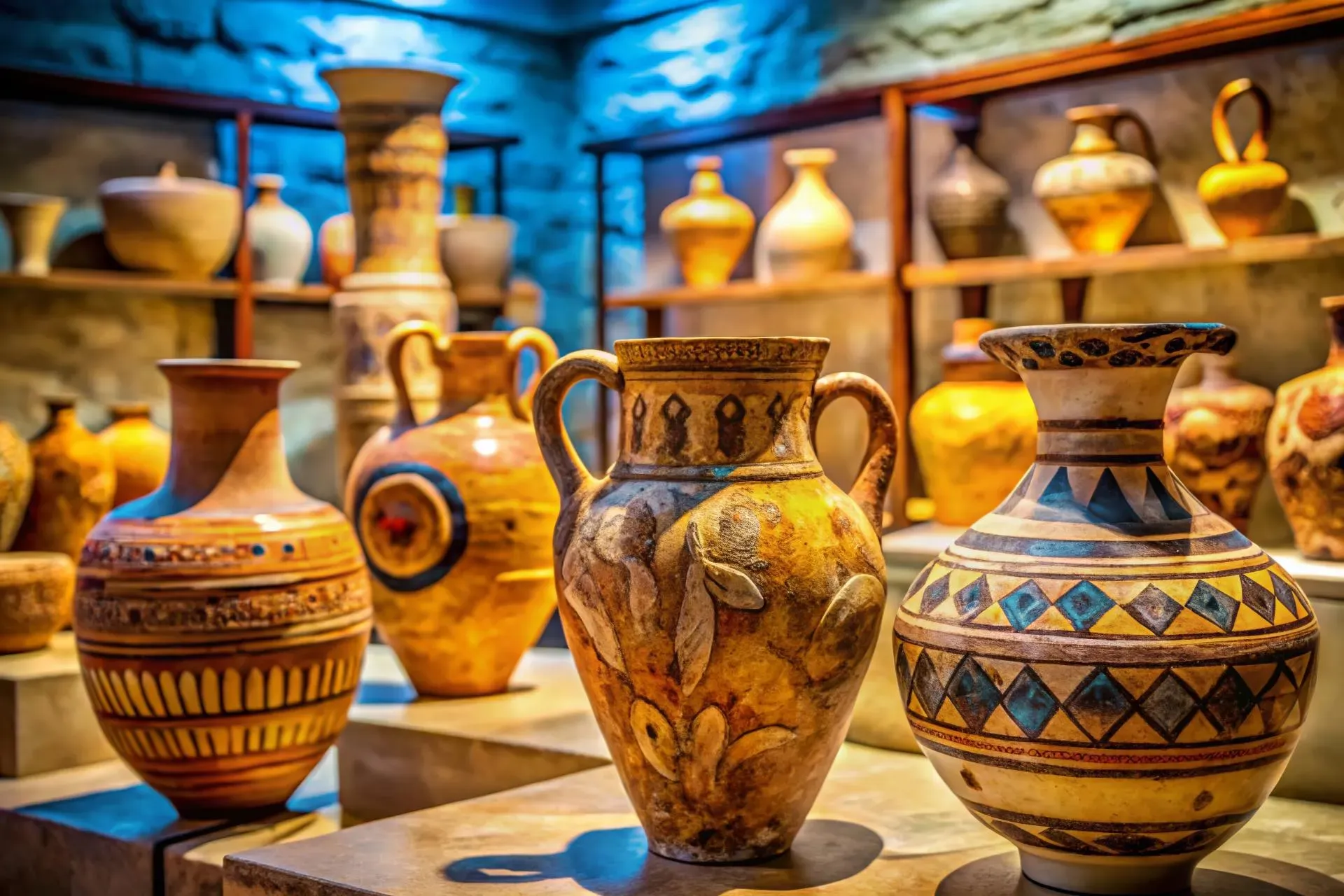
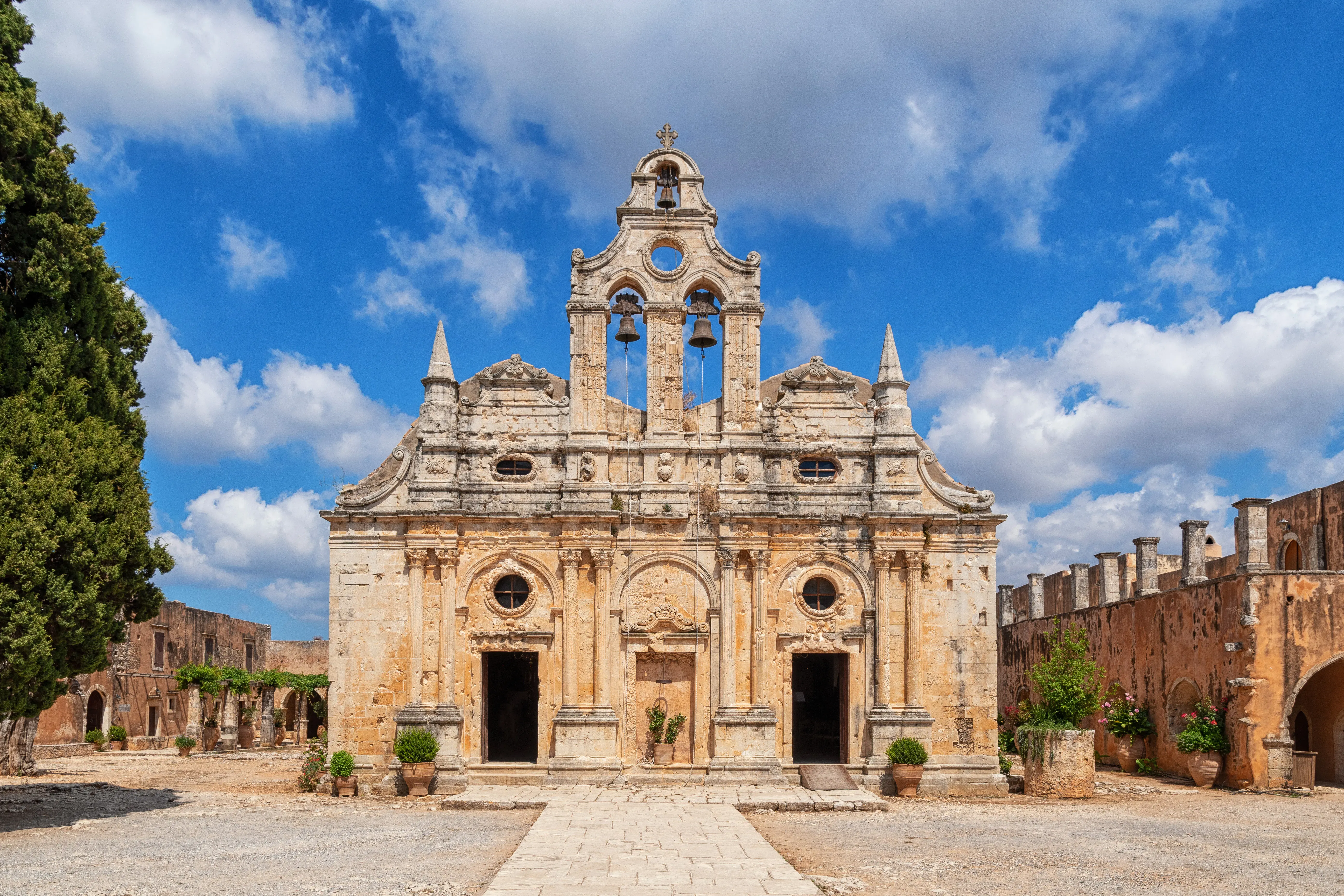
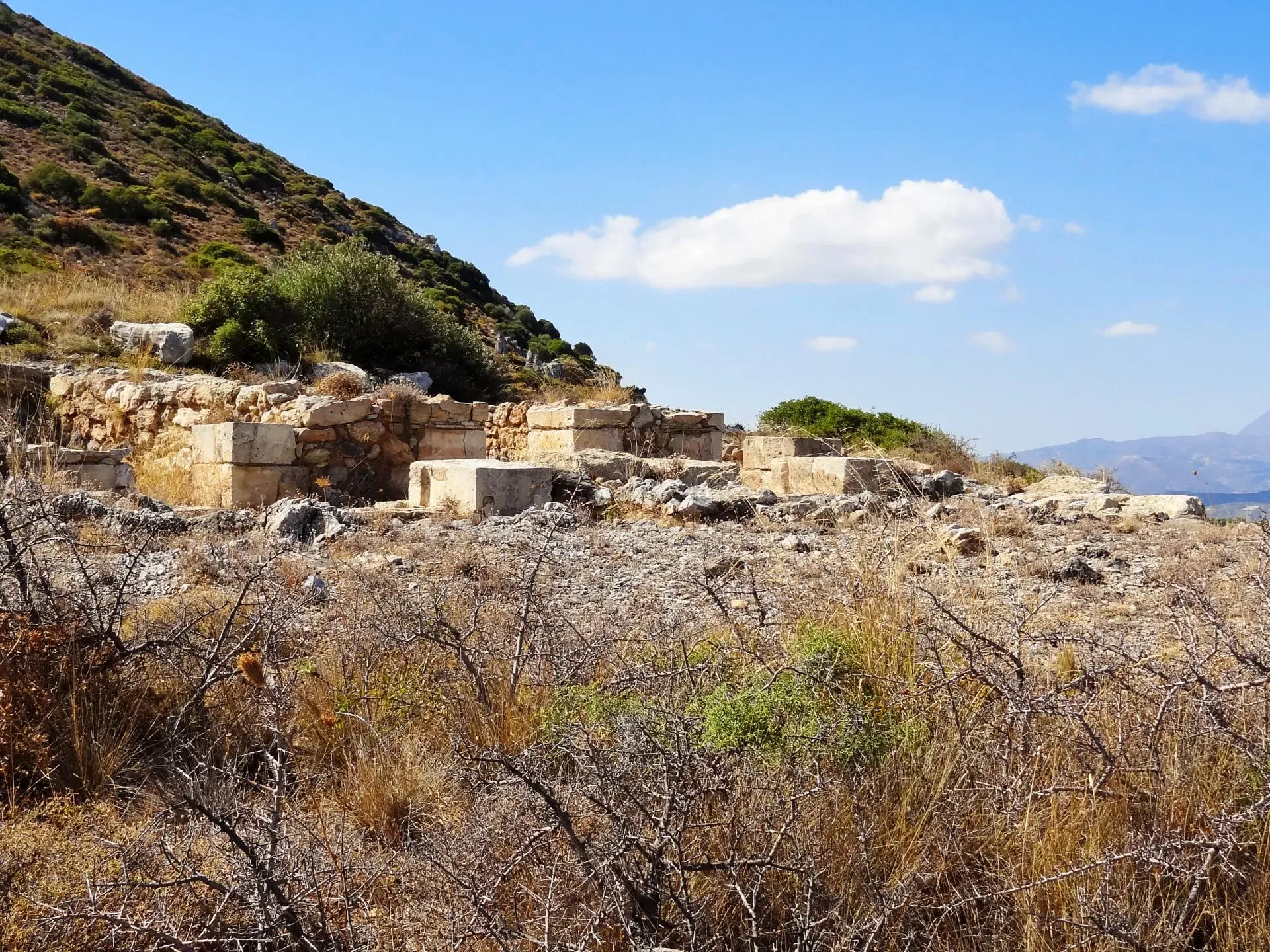
History is everywhere you look in Crete. Minoan palaces like Knossos and Phaistos rank among the oldest archaeological sites in Europe, and at Gournia and Anemospilia you can still make out the remains of early temples that once hosted religious rituals. Museums across the island display the finds from these places, from ceramics and tools to painted frescoes. Beyond the ancient sites, you'll find monasteries such as Arkadi and Toplou dating to the Byzantine and Venetian eras, along with Roman ruins, Ottoman buildings, and Venetian fortresses all waiting to be explored.
Crete’s historical sites are scattered across the whole island, from the coast up into the highlands. Heraklion and Chania are home to the island’s main museums, while many excavation sites sit out in rural areas. The buildings themselves vary widely in material, technique, and purpose: Minoan palaces functioned as administrative centers, with room layouts that get surprisingly intricate. Byzantine churches still display their early medieval mosaics, and Venetian fortifications once defended key points along the coast. If you're curious about the history behind a particular site, have a read of the information panels, head into a visitor center, or take part in a guided tour. On a cultural trip through Crete, you’ll set foot on sites from across human history, many of them only uncovered and preserved through decades of careful archaeological work.
Book your trip to Crete with Discover Airlines and get to the heart of the island’s history.
What to know about Crete’s culture
Few regions in Europe carry as much history as Crete. The island was the heart of Minoan civilization, generally considered the first advanced culture in Europe, and you can still see plenty of it today at the palaces of Knossos, Malia, and Phaistos. All are still standing and are waiting to be explored. The Minoans left behind more than buildings, though. Excavations and written records point to an organized economy and detailed religious practices, which is part of why so many of Crete's sites feel less like ruins and more like open-air museums.
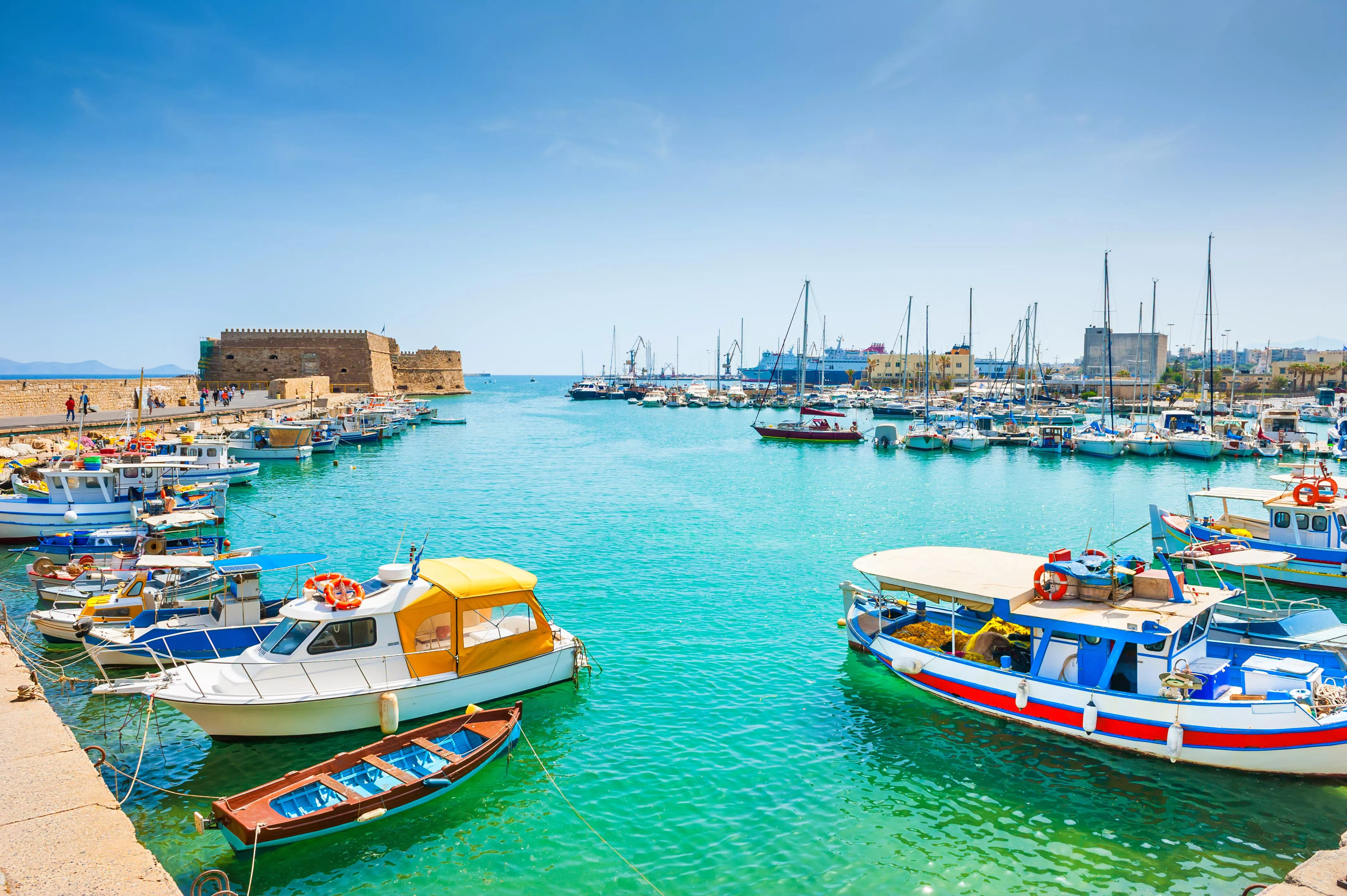
Building didn't stop when Minoan culture faded. Monasteries, churches, fortresses, and houses went up across the Byzantine, Venetian, and Ottoman periods, and most of them are open to visit today. Many are tied to real events, resistance movements, trade routes or sieges. Few places pack that much layered history into one island, and a trip here means seeing Cretan culture firsthand, at the actual sites where it all happened.
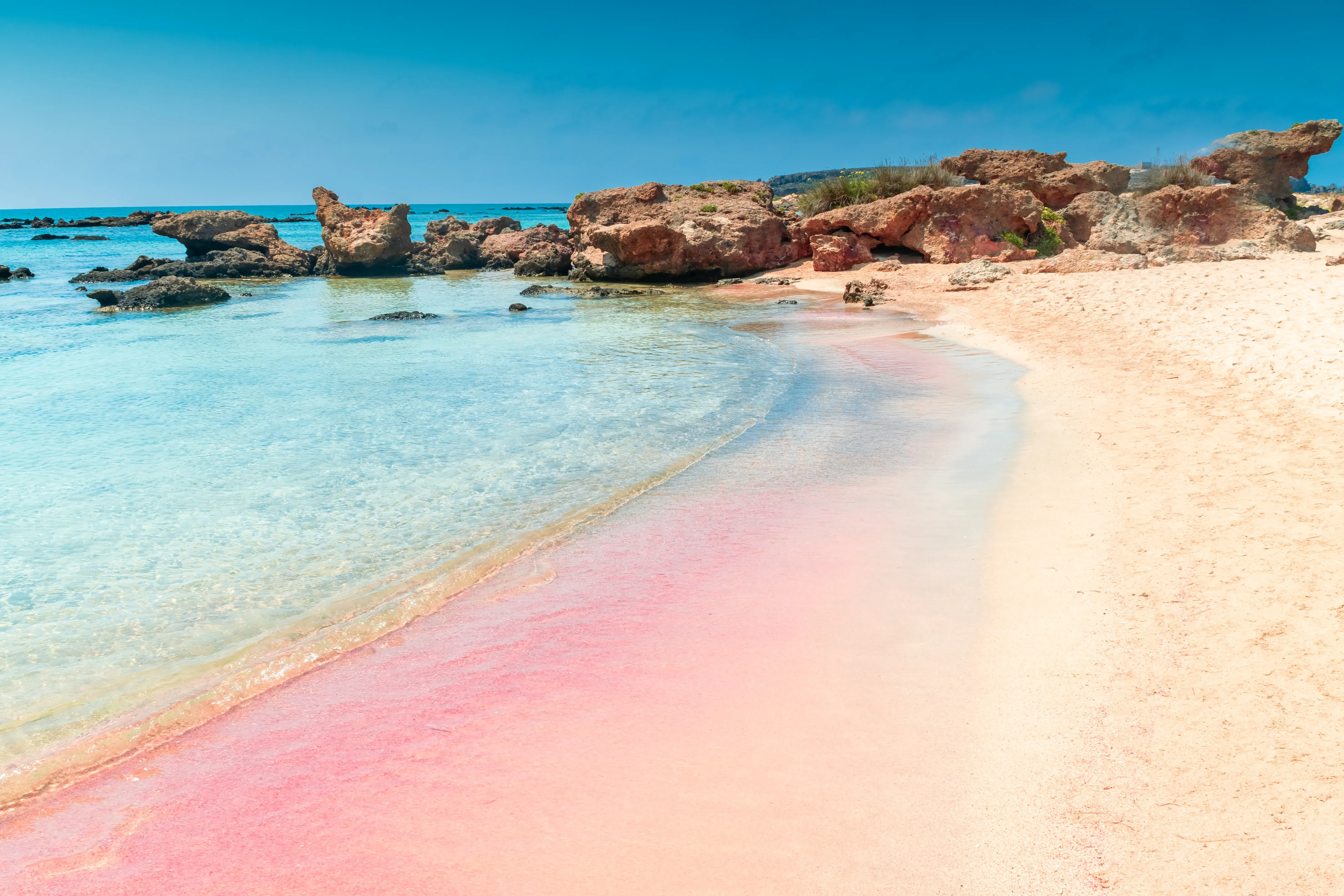
The weather makes things easier, too. Crete has long, dry summers and mild winters. If you'd rather explore the island’s historic sites without the heat, aim for March through June or September through November. The days are still warm and temperatures manageable. And with fewer visitors around, the island’s archaeological sites and museums are easier to take in at your own pace. Guided tours run year-round, often focused on a specific era or region, so there's rarely a bad time to visit if history is your thing. Spring and fall tend to be ideal weather-wise, though.
The best places in Crete for culture lovers
How to get the most out of your trip to Crete
Start by picking your home base. Most of Crete's major sites are around Heraklion, Chania, and Rethymno, but plenty of excavations and monasteries sit well off the beaten path, so renting a car is worth it if you want to see more than one or two. If you'd rather mix things up, pair your history stops with some time outdoors. A coastal hike or a swim between sites works just as well as a packed day of sightseeing. In the cities themselves, you'll find well-kept sidewalks and signage in several languages at most major sites.
Pack sturdy shoes and sun protection, since a lot of sites are exposed outdoor locations with little shade. Most stay open year-round, though opening hours may shorten in winter. Guided tours are available at the island’s major museums and at sites like Knossos. For lesser-known sites, a guidebook or audio guide works just as well.
Summer temperatures in Crete often exceed 30 °C (86°F). If beaches are not a priority and you’d prefer to experience Crete’s culture without the heat, aim to travel in spring or fall instead. In May, June, September and October, daytime temperatures usually hover between 20°C and 28°C (68°F and 82°F). And with fewer crowds around, you can take your time at museums and outdoor sites without jostling for space.
Crete uses the euro. Buy tickets for museums and archaeological sites online when you can. It cuts down on waiting in line and plenty of places offer discounts for kids, students and EU citizens. Buses run between major towns on the island, but they won't get you to every site, so check schedules ahead of time if you're not renting a car.
English is widely spoken in most tourist areas, though a few basic Greek phrases, like "Kalimera" (good day) or "Efcharisto" (thank you), go a long way.
January


Avg. Temperature:
9°C/9°C

Rainy days per month:
40-80
February

Avg. Temperature:
9°C/9°C
Rainy days per month:
30-70
March
Avg. Temperature:
10°C/10°C
Rainy days per month:
30-60
April

Avg. Temperature:
12°C/12°C
Rainy days per month:
20-50
May

Avg. Temperature:
15°C/15°C
Rainy days per month:
5-20
June
Avg. Temperature:
19°C/19°C
Rainy days per month:
0-5
July
Avg. Temperature:
21°C/21°C
Rainy days per month:
0-5
August
Avg. Temperature:
22°C/22°C
Rainy days per month:
0-10
September
Avg. Temperature:
19°C/19°C
Rainy days per month:
5-40
October

Avg. Temperature:
16°C/16°C
Rainy days per month:
40-90
November
Avg. Temperature:
14°C/14°C
Rainy days per month:
50-100
December
Avg. Temperature:
11°C/11°C
Rainy days per month:
40-80